
Let’s get right to it: wild deer usually make it about 3 to 6 years, while deer living in captivity often hit 7 to 10 years—sometimes even longer. Most deer just don’t get old in the wild, thanks to hunters, cars, predators, and all sorts of diseases.
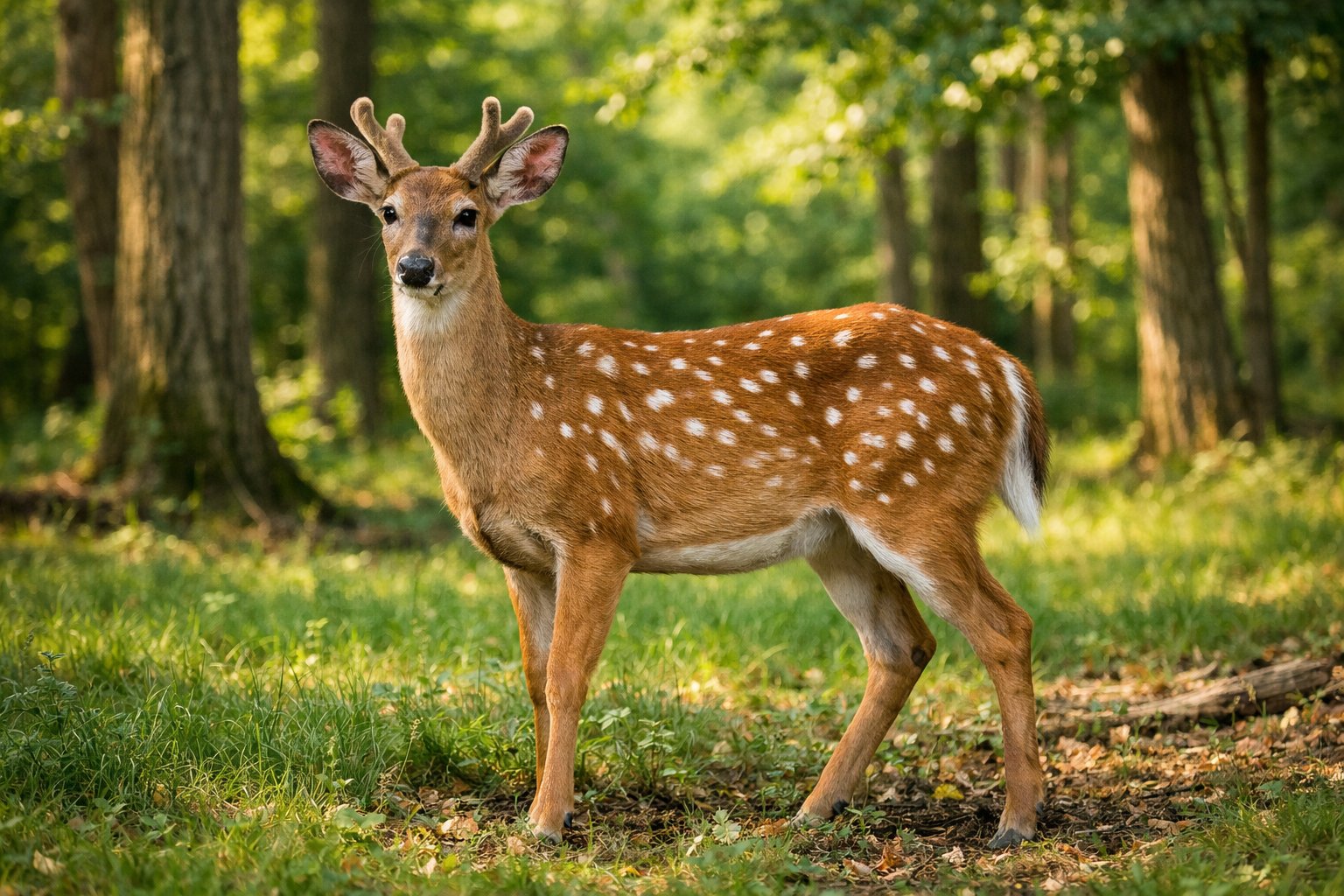
Lifespan really depends on the species and where the deer live. In rough places, they don’t last long, but in safer spots with good food and some protection, they can stick around a lot longer.
Let’s dive into what really affects a deer’s chances—habitat, hunting, predators, and a few other things that make or break those numbers.
Deer Lifespan by Environment and Species

Habitat, care, and species all play big roles in how long deer live. Wild and captive deer show pretty different numbers, and some species just outlast others.
Typical Lifespan of Wild Deer
Wild deer don’t all live the same number of years. White-tailed deer, for example, usually average about 4 to 6 years. Does often outlive bucks, mostly because bucks deal with hunting and the stress of the rut.
Lots of fawns don’t survive their first winter. Coyotes, bobcats, and other predators pick off many young ones before they even get a chance.
Disease outbreaks like Chronic Wasting Disease or Epizootic Hemorrhagic Disease can really knock down survival rates. When winters get rough, deep snow and poor food make life tough for older deer.
Car collisions kill thousands every year in busy areas. Most wild deer just don’t make it to 10 years old because of all these dangers.
Captive Deer Longevity
Deer living in captivity get a much better deal. With steady food, vet care, and no predators, captive deer often reach 12 to 20 years, depending on the species and how well people look after them.
Zoos and private owners help deer live longer through good diets and medical care. Captive does and bucks don’t have to worry about hunters or most natural hazards.
Still, problems like overcrowding, poor nutrition, or unchecked disease can shorten their lives, even in captivity.
If you’re caring for captive deer, you’ll want to focus on balanced diets, parasite control, and regular vet visits to help them reach their full lifespan.
Differences Among Deer Species
Not all deer are built the same. White-tailed deer often live 4 to 6 years in the wild. Mule deer can stick around longer, sometimes 9 to 11 years if things go well.
Red deer and elk—those bigger species—usually live about 10 to 13 years out in the wild. Smaller deer like roe deer and sika deer tend to have shorter wild lives, often under 10 years, though it really depends on where they are and what’s after them.
When people protect and feed them, those differences shrink. Lots of species can hit similar ages in captivity.
Where you find deer matters, too. Deer in places with lots of predators or heavy hunting don’t live as long as those in protected parks or on the edge of cities where hunting isn’t allowed.
Oldest Deer on Record
Some deer just beat the odds. A few wild white-tailed does have made it into their early 20s—pretty amazing, honestly. Mule deer and elk have also been recorded near 20 years old in the wild.
In captivity, some deer have lived into their mid-20s with steady care. That’s rare, though, and usually comes down to good genes, low disease risk, and a lot of human help.
When you hear about a deer living past 20, it’s almost always from careful records, tagging, or long-term studies that actually confirm the age.
If you want more on average ages and what changes them, check out the average life expectancy of a deer.
Key Factors Influencing Deer Lifespan
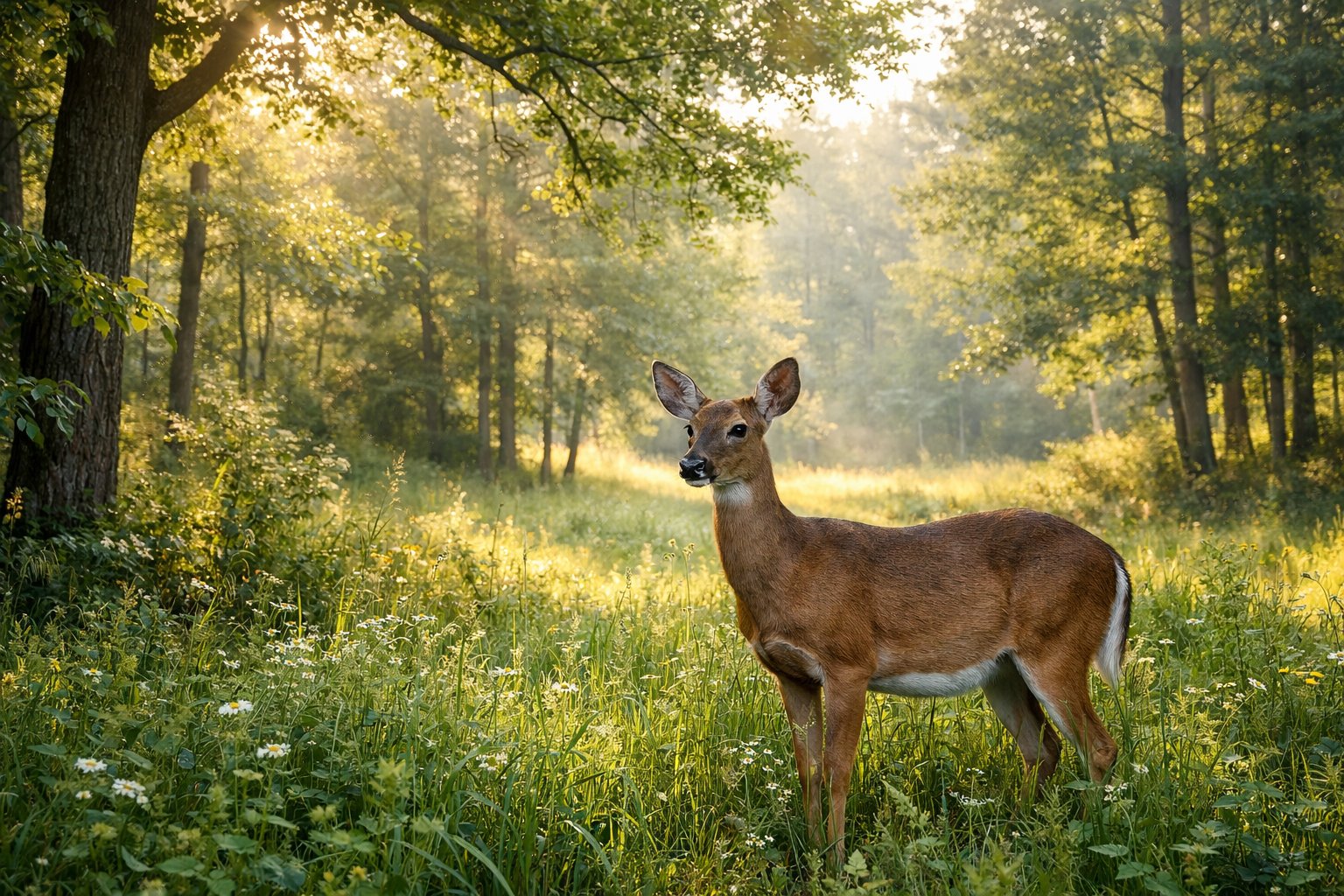
A few things really decide how long deer stick around: predators, disease, food, cover, and people. Let’s break down how each one matters for both fawns and adults.
Predators and Natural Threats
Predators take out most young deer. In places with lots of coyotes, bobcats, and bears, fawn mortality can go over 40%.
Mountain lions and wolves usually hunt older deer and yearlings, which drags down the average age in wild herds.
Habitat changes the risk. Thick brush gives fawns a fighting chance to hide from predators. Open farmland, on the other hand, makes deer easy targets for cars and even aerial predators.
When predator control happens, it can really change deer numbers and how old they get.
Deer-vehicle collisions are another big threat wherever roads cut through deer country. These accidents wipe out both adults and fawns, especially during busy movement seasons in fall and spring.
Impact of Disease and Parasites
Diseases like Chronic Wasting Disease (CWD) and Epizootic Hemorrhagic Disease (EHD) can take out a lot of deer and lower the average age. CWD is slow but always fatal, messing with weight, behavior, and survival. EHD can kill off large numbers fast, especially in late summer and fall.
Parasites—think ticks, lice, and worms—wear deer down by causing anemia, skin issues, and poor condition. Heavy parasite loads make deer easier prey and more likely to die in winter.
Bovine tuberculosis shows up in some spots and can cause wasting and death in adults.
Wildlife managers keep an eye on disease through testing and monitoring. You can help by not feeding deer and following hunting rules to slow the spread of CWD.
Nutrition and Habitat Quality
Nutrition makes a huge difference. Deer living in places with plenty of good food—like browse and acorns—grow stronger and survive tough winters better.
Poor habitat or overbrowsed areas mean more malnutrition and higher winter deaths. When forests, fields, and water are close together, deer get year-round food and cover.
If young deer eat well, they survive better and reach breeding age more often.
Managers boost deer survival by planting food plots, protecting nut-producing trees, and keeping travel corridors open. These steps really help keep deer populations healthy.
Human Influences on Deer Mortality
You play a big role in deer deaths, both directly and indirectly. Regulated hunting takes out part of the adult population every year and shifts the age and sex balance a bit.
Sometimes, hunting helps the herd by cutting down on overpopulation. But if hunters take too many, the average age of deer drops.
Roads crank up the number of deer-vehicle collisions. In suburban and rural spots, that’s actually one of the top killers.
Development is another issue. It breaks up habitat, piles on stress, and blocks the seasonal movements deer really need to survive.
People also spread disease, especially when they don’t dispose of carcasses properly or feed deer in risky ways.
On the flip side, management steps like controlled hunts, wildlife crossings, or disease testing can help lower death rates and keep deer populations healthier.


