
You spot a deer at the edge of the woods and wonder—does that graceful animal have any real smarts, or is it just luck? If you watch closely, you’ll notice deer rely on sharp senses, memory, and social cues to survive out there. They learn from experience and switch up their behavior when something feels off or dangerous.
Deer aren’t clever like dogs when it comes to following commands, but they definitely show practical intelligence. They’re good at finding food, dodging threats, and getting around tricky landscapes.
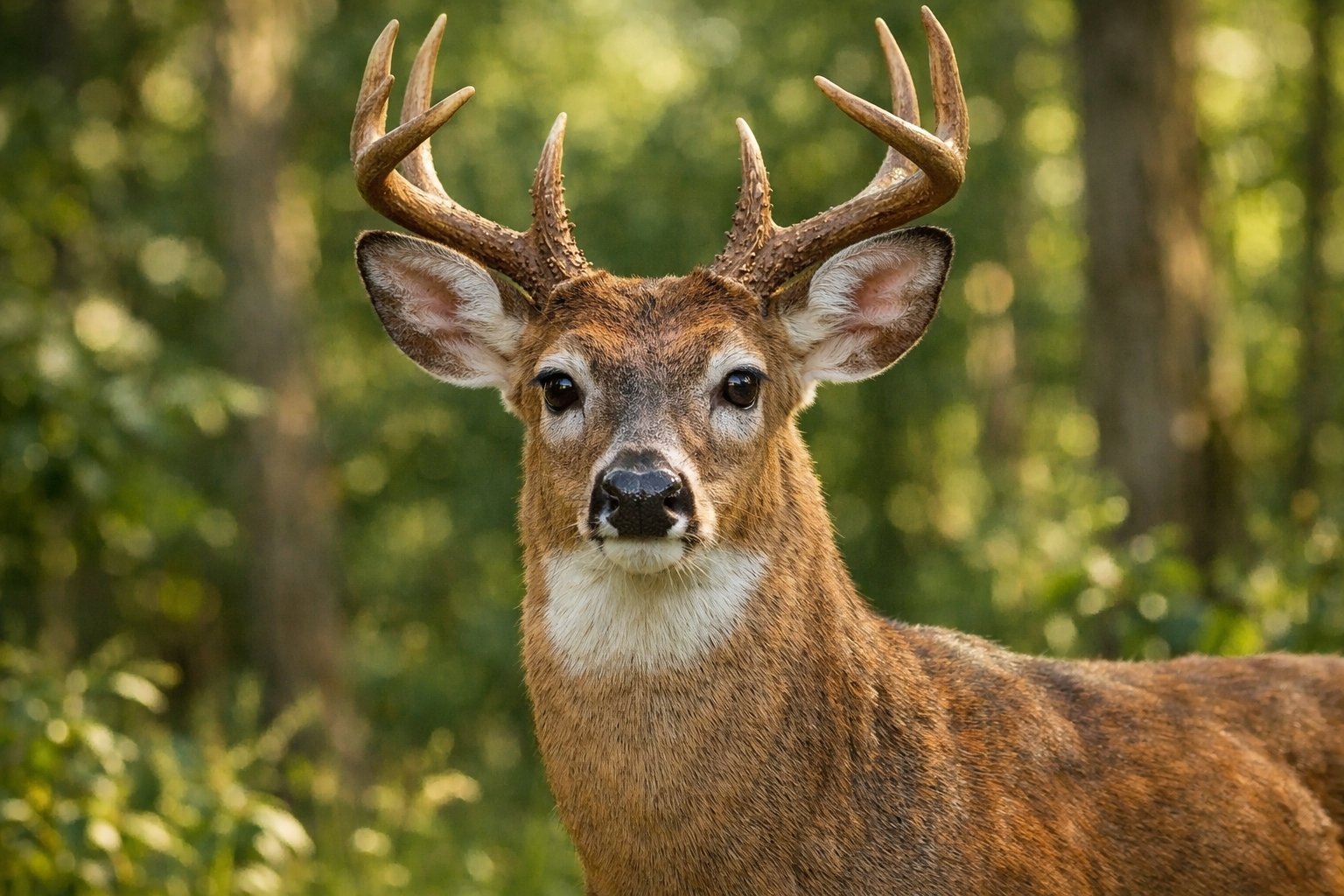
Stick around and you’ll see how deer learn, remember places, and use signals from the group to stay safe. You’ll also get to compare their skills with animals people know better. Maybe you’ll walk away with a clearer sense of how smart deer really are.
Understanding Deer Intelligence

Let’s dig into how deer form memories, solve problems, and use their senses to make it through each day. You’ll see examples from white-tailed deer, mule deer, and other cervids, showing how their behavior changes with the environment.
How Do Deer Learn and Remember?
Deer mostly learn by doing and by watching others around them. A fawn follows its mother, copying her paths to feeding spots and safe places to sleep.
Mothers show their young which plants to eat and which areas to skip after a scary run-in with a predator.
You can spot long-term memory in deer that keep coming back to the same feeding fields every season. They also stick to familiar migration routes year after year.
Researchers track these repeat journeys with GPS collars and map out how deer remember their surroundings.
Deer form associative memories too. If something bad happens in a spot, they’ll avoid it later on.
If you feed deer in the same place over and over, they’ll start showing up at that spot and time, expecting food. Memory seems to get stronger with age, less stress, and more practice.
Problem-Solving Abilities in Deer
Deer run into little puzzles all the time and figure them out. They push through gates, squeeze past fence gaps, or even get into bird feeders if they’re hungry enough.
Bucks sometimes use their antlers to bend branches and grab leaves that are just out of reach. That’s trial and error, not deep thinking, but it works for them.
When food gets scarce, deer change up their diets and find new places to eat—sometimes even in backyards or parks at the edge of town. Moose and other big cervids do this too, but their size changes what they can manage.
Young deer watch adults and copy what works. If one deer figures out how to cross a busy road safely, others will follow.
Problem-solving helps deer survive. The ones that adapt fast find food and avoid trouble more often.
Role of Senses in Deer Intelligence
Deer count on smell, hearing, and vision to make smart moves. Their noses are so sharp—they’ll sniff out humans or predators and slip away before you even see them.
White-tailed deer use scent to mark territory and tell others when it’s breeding time.
Their hearing picks up the slightest sounds, alerting them to threats far off. The way their eyes sit on the sides of their heads gives them a wide view, making it easier to spot movement.
Night vision lets them feed during dawn and dusk, when it’s safer.
All their senses work together. Smell gives details, hearing tells them where something is, and vision confirms what’s moving.
If you’re managing land, keep in mind that scent and sound really affect where deer go. Different deer species have slight differences in their senses, but all of them blend what they pick up to make quick decisions.
Comparing Deer Intelligence with Other Animals
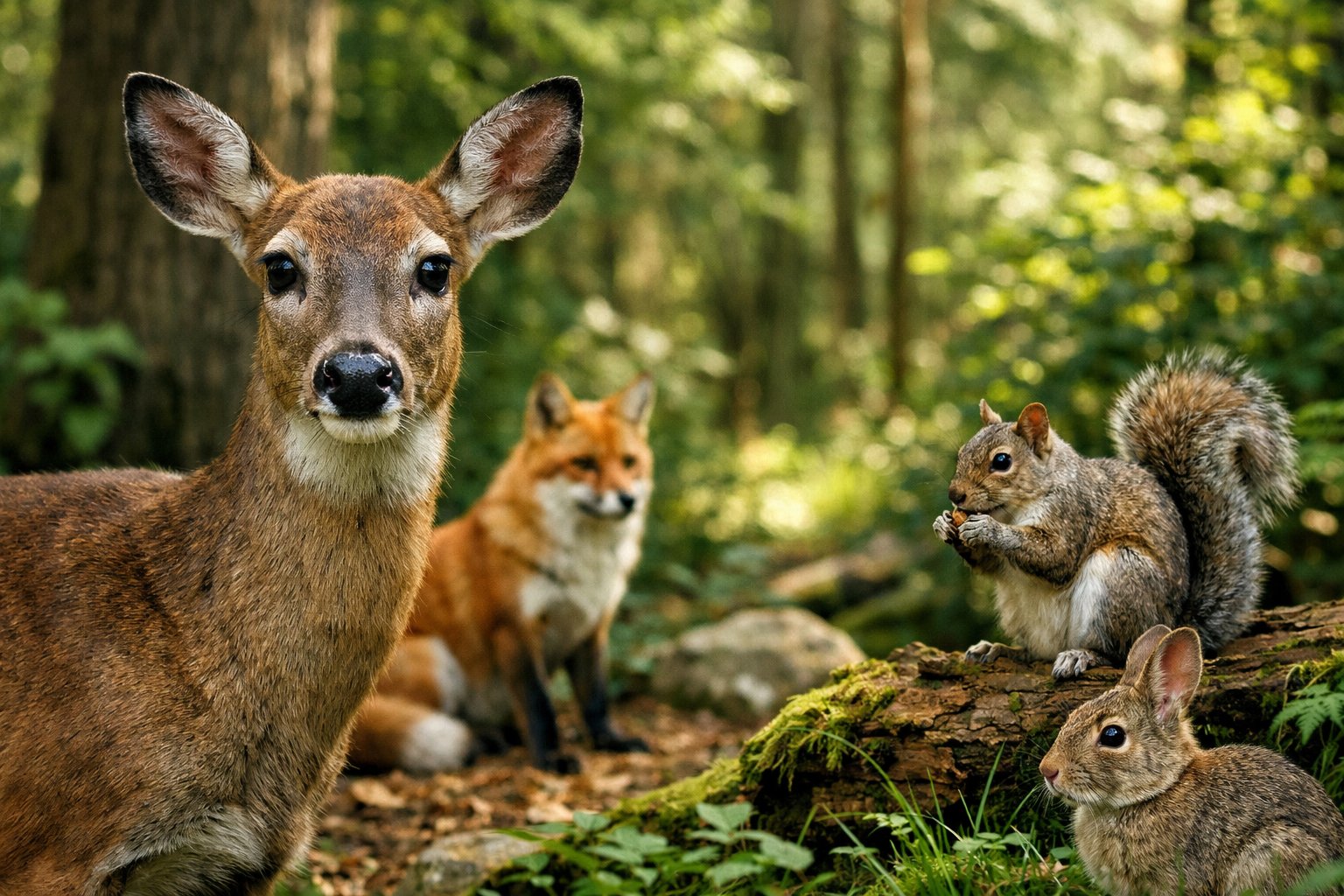
Deer show off practical smarts—good memory, learning from others, and fast reactions. Let’s see how those skills hold up next to pets and predators, and why it matters for hunters or anyone managing wildlife.
Deer vs. Dogs: Which Is Smarter?
Dogs learn commands, follow human cues, and solve problems in all sorts of ways. Deer don’t follow commands, but they remember places and pick up new things pretty fast.
You can train a dog to sit, fetch, or search. A deer, on the other hand, learns to avoid people or find food without any formal training.
Dogs really shine at picking up on human signals—eye contact, gestures, and scent. Deer use their own senses and rely more on caution than on working with people.
That’s why dogs help with tracking or herding, while deer need more indirect management, like changing habitats or using deterrents.
If you want an animal that listens and works with you, dogs win. But if you’re looking for survival instincts and wild smarts, deer have their own edge.
Deer and Horses: Cognitive Differences
Horses and deer both act like prey animals—they’re alert, stick with the group, and remember where to find food and water.
You can train a horse and even ride it, since horses form bonds with people and learn routines. Deer? Not so much. They don’t get close to humans and usually resist training.
Both remember routes and key spots. Horses have more patience for learning the same thing over and over, and they’ll do tasks for you.
Deer are quicker at making decisions when something feels off and can adjust to new food sources or dangers.
When managing wildlife, you can work directly with horses for things like moving livestock. For deer, it’s all about shaping their habitat, keeping numbers in check, or using non-lethal ways to keep them away—training just isn’t an option.
Deer Interactions with Wolves, Coyotes, and Bears
Predators really shape how deer behave. If you watch closely, you’ll notice deer change their movement, grouping, and how alert they are when wolves, coyotes, or bears are around.
Wolves push deer to stick to cover and take different paths. Deer pick up on migration routes and sniff out scent-marked safe spots to steer clear of wolf packs.
Coyotes make deer much jumpier at dusk. Deer also stick to steeper, brushier slopes, since coyotes don’t hunt there as much.
Bears? They get mother deer hiding their fawns and feeding at odd times, just to avoid running into trouble.
If you’re a hunter or manage wildlife, you’ll notice predators shift where and when deer show up. That’s pretty useful—you can use this to plan hunting seasons, set up deterrents, or design habitats that cut down on conflict.
Deer aren’t using tools or anything, but their smarts show up in these survival tricks. It’s not flashy, but it works.


