
Let’s dig into which animals actually kill deer the most and why. Wolves and mountain lions usually snag the most adult deer where they live, while coyotes, bears, and bobcats go after fawns and the weak. These predator patterns shape food chains and really change how local ecosystems work.
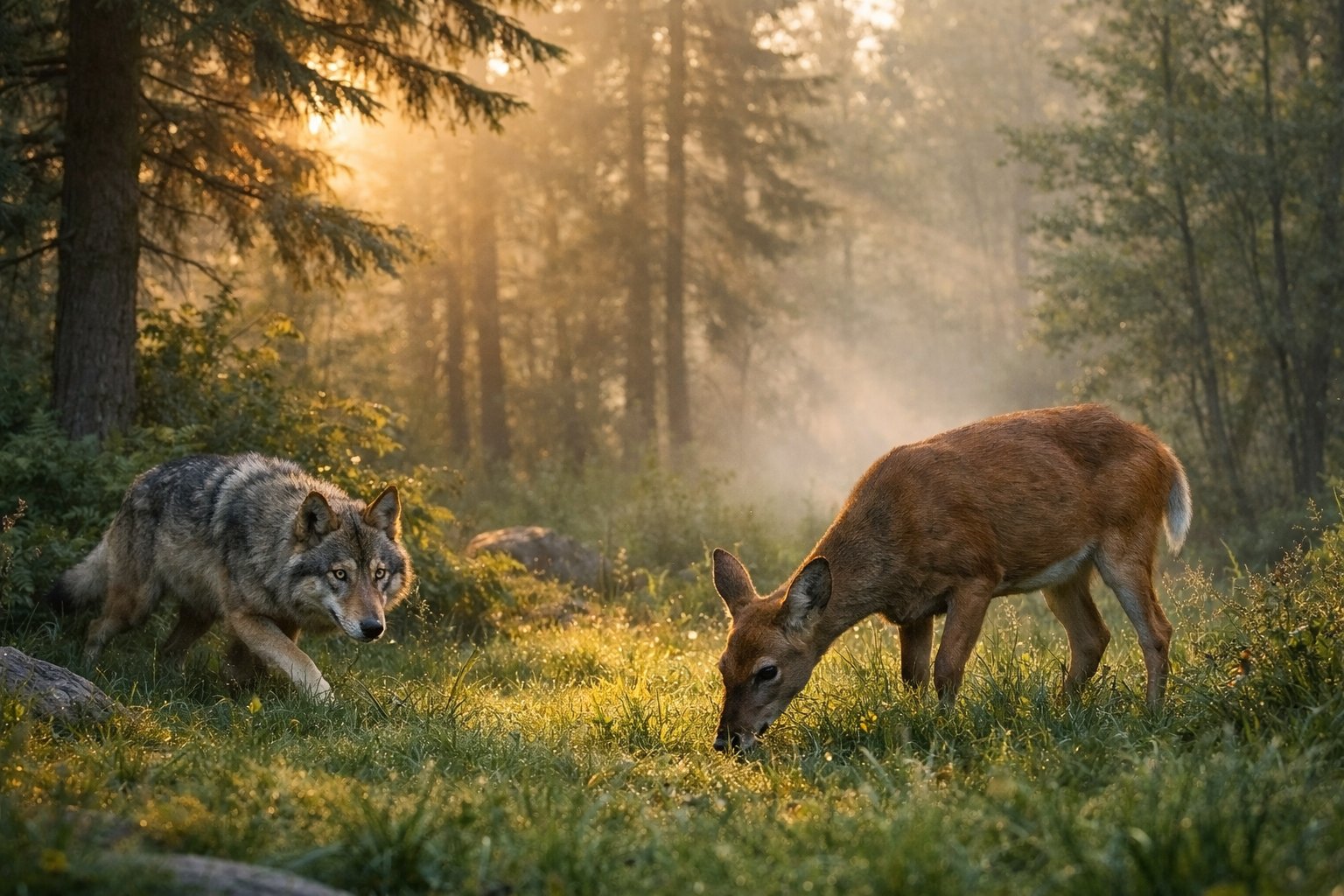
As you read on, you’ll see how big predators hunt in packs or by ambush. Meanwhile, smaller or less obvious threats still hammer fawn survival rates.
That mix of famous hunters and sneaky dangers will help you see where deer fit in the food chain and how predators keep things ticking along.
Top Predators That Eat Deer

Deer run into trouble from plenty of predators—and of course, people. Let’s look at which hunters hit deer numbers hardest, how they do it, and which deer they usually go after.
Humans and Deer Hunting
People have a bigger impact on deer numbers than any wild predator. In the U.S., hunters legally take millions of deer each year during set seasons.
Most folks target white-tailed deer and mule deer, though elk and moose get hunted in some western states and Alaska. Hunting usually focuses on adult bucks during the rut or any available adults for venison.
State rules set bag limits, seasons, and permits to manage deer populations. When folks follow these rules, they help cut down on car crashes, crop damage, and overbrowsing.
But if management goes off the rails—or poaching happens—local herds can get thrown out of balance.
Wolves: The Leading Wild Predator
Wolves really set the tone as apex predators. Packs work together to take down adult white-tailed deer, mule deer, elk, and sometimes even moose.
Wolves push deer herds around, especially in winter when deep snow and tired animals make hunting easier. A single pack can shake up deer numbers and their movements over huge areas.
Wolves usually go for fawns, sick, or older deer, but they’ll chase healthy adults if they have to. Their presence tends to lower deer density and changes where deer eat and sleep, which ends up affecting local plants and other wildlife too.
If you want to dive deeper, check out more on wolf-deer dynamics here: (https://animalofthings.com/what-animals-eat-deer/).
Coyotes and Their Impact on Deer
Coyotes hit deer populations in a different way than wolves. They mostly target fawns in spring and early summer, but sometimes they’ll hassle weak adults, especially when food is scarce or snow is deep.
Coyotes fit in just about anywhere—suburbs, farmland, you name it—so their impact near towns can be surprisingly high. They hunt solo, in pairs, or in small groups.
That flexibility lets them go after all sorts of prey. When coyote numbers are high, fawn survival usually drops, which means fewer adult deer down the line.
Coyotes mostly go after white-tailed fawns, but they’ll take mule deer fawns and young elk too where they overlap.
Bears: Opportunistic Deer Hunters
Bears don’t depend on deer, but they sure take a lot of fawns every spring. Black bears and grizzlies both hunt newborn deer, and grizzlies sometimes take down adult deer and elk if they get the chance.
Bear predation spikes during fawning season when young animals are easy pickings right after hibernation. Bears use their noses and brute strength, not stealth like cats.
They’ll also scavenge, so roadkill or leftovers from other predators don’t go to waste. In places where bears are common, a surprising number of fawns don’t make it.
Managing how people and bears interact during hunting season and at carcass sites can help keep things safer for everyone.
Lesser-Known Predator Threats to Deer
Let’s talk about the predators you might not think of right away. These animals often go after fawns, injured deer, or take advantage when other food is scarce.
Wild Cats: Mountain Lions, Bobcats, and Lynx
Mountain lions (or cougars, if you prefer) can take down adult deer. They sneak up and use a burst of speed to ambush deer along trails, ridges, or in thick cover.
A mountain lion will usually drag its kill into heavy brush or shade to eat. Bobcats are smaller and don’t usually kill adults, but they’re tough on fawns.
Bobcats hunt at dawn and dusk, relying on cover and surprise. If you spot small bite marks or a quick neck bite on a fawn, odds are a bobcat did it.
Lynx and other wild cats up north focus on fawns and smaller deer. They hunt in deep snow and thick woods, where their big paws and quiet steps give them an advantage.
You might spot their tracks or find where they’ve stashed remains.
Alligators and Other Regional Predators
American alligators sometimes ambush deer coming to drink in the Southeast. They wait at pond edges and strike fast, dragging deer into the water.
You’ll sometimes see drag marks or drowned deer near the waterline. In other places, different big predators fill this niche.
Jaguars in parts of Central and South America take deer where their ranges cross. Brown and black bears occasionally ambush deer, especially fawns or weakened adults.
Polar bears almost never eat deer since their habitats don’t really overlap, but other bear species can matter locally. Wild hogs mess with deer more indirectly by competing for food and tearing up fawning sites.
They rarely kill healthy adults, but they’ll hassle fawns and ruin the cover deer need.
Avian Hunters: Eagles, Vultures, and Crows
Golden eagles and bald eagles sometimes go after very young fawns in open country. These eagles rely on their height and the element of surprise, swooping down to snatch or strike small fawns in fields or up on alpine slopes.
If you manage land with wide, open views, you might want to watch out—eagle predation on fawns can actually be a real issue.
Vultures and crows don’t usually go after live deer. Instead, they act as nature’s cleanup crew, quickly taking care of deer carcasses.
Turkey vultures and black vultures find carrion by scent or sight. They can strip a carcass down shockingly fast, sometimes before you even spot it.
Crows and ravens will peck at exposed organs. Sometimes they even alert bigger scavengers to a carcass.
Seeing these birds around often means a predator, or maybe something else, took out a deer not too far away.


