
Ever wonder which animals kill deer most often, and why? If you live near the woods or you hunt, it’s useful to know. Wolves and cougars top the list of deer predators, but coyotes, bears, and bobcats also take a big share, depending on where you live.
Let’s dig into how these top predators hunt deer, which species they go after, and how seasons or habitat make a difference. You’ll also get a sense of the smaller or more opportunistic predators, so you can see the bigger picture of what eats deer and how everything stays (sort of) balanced.
Top Predators That Eat Deer the Most
Let’s talk about which predators are responsible for most deer deaths and why that matters for deer numbers and hunting. Here’s what you should know about human hunting, wolf packs, coyotes, and bears, plus how each one impacts white-tailed, mule deer, elk, and moose.
Humans and Their Impact on Deer Populations
Humans have a bigger effect on deer populations than any other animal. Every year in North America, hunters take millions of white-tailed deer during regulated seasons.
States set bag limits, season dates, and license rules to keep deer numbers in check and protect breeding stock. Most hunting removes adult bucks and some yearlings, and venison ends up on family tables or at local markets.
People also change deer mortality in other ways. Cars, habitat changes, and poor land management shift where deer live and how many survive.
If you follow hunting regulations, you help keep populations steady. But if hunting isn’t managed well, deer numbers can drop too low or explode, which can damage forests and boost car collisions.
Wolves and Their Hunting Strategies
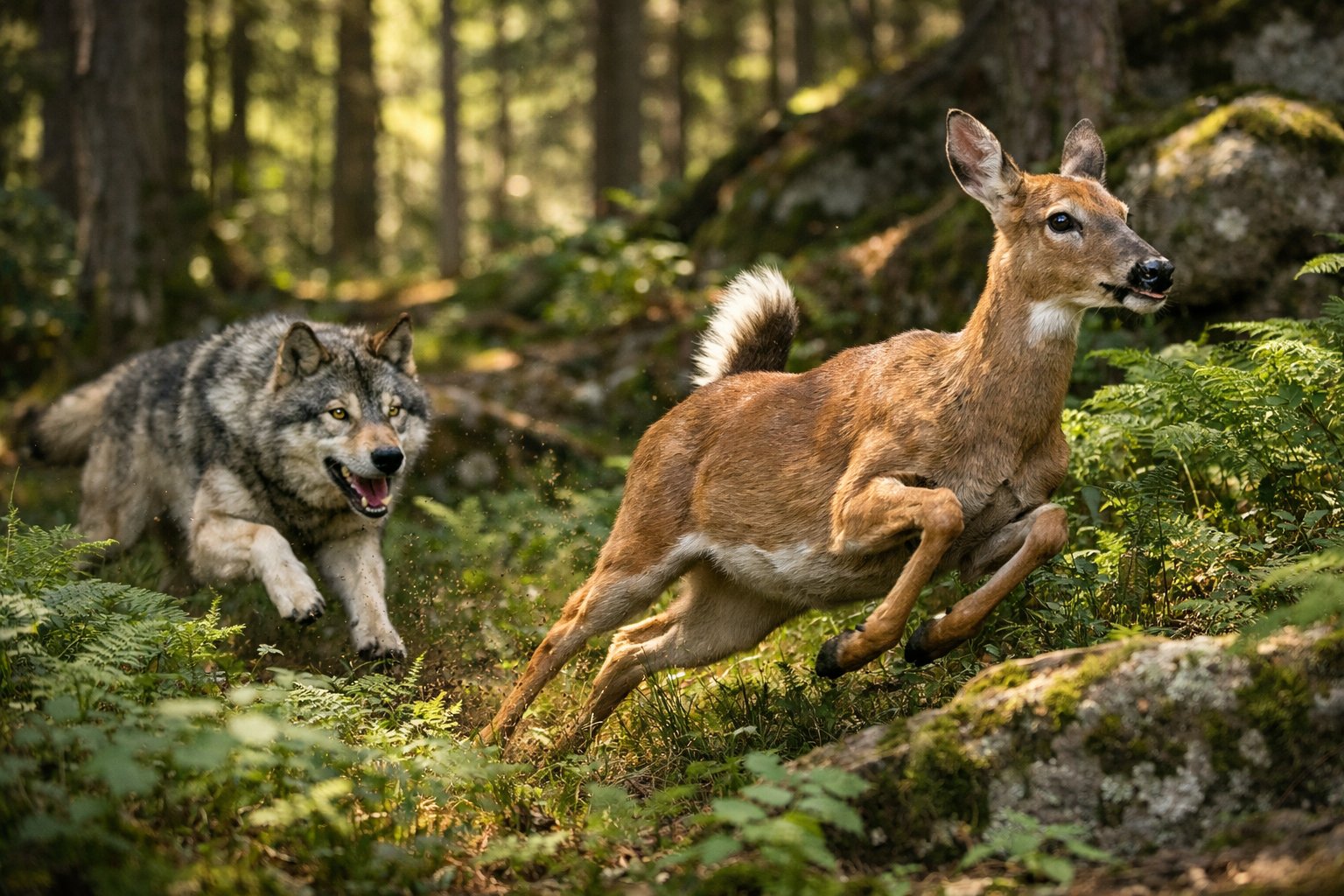
Wolves kill a lot of deer where their packs roam. A single gray wolf may take several deer every year, and packs hunt together to chase and tire out adult deer.
They usually target weak, sick, or young animals, which actually helps keep herds healthier by removing those that struggle.
Wolves change deer populations differently depending on the region. In places with lots of wolves, more deer die from predation, and hunting patterns shift.
Wolves also hunt elk and moose if deer get scarce. As apex predators, wolves shape how deer behave—deer might stick to denser cover or move at odd hours to avoid packs. That can change where and when you spot deer.
Coyotes as Major Predators
Coyotes pose a big threat to newborn fawns and can really cut down fawn survival. During fawning season, coyotes sniff out fawns hidden in grass and eat them.
In some areas, coyote predation slashes fawn numbers, which means fewer adults later on. Coyotes hunt alone or in small family groups.
They adapt to farms, suburbs, and forests, so their effect on deer stretches across lots of landscapes. Sometimes wildlife managers try to control coyote numbers to help fawns, but it doesn’t always work out as planned.
Coyotes also scavenge roadkill and gut piles, so they benefit from both hunting and scavenging.
Bears: Opportunistic Deer Predators
Bears eat deer when they get the chance, but mostly go after newborn fawns or scavenge carcasses. Black bears and grizzlies both eat deer, with grizzlies taking on bigger prey if their ranges overlap.
Bears usually look for easy meals and seasonal foods, so healthy adult deer are less often their targets.
You’ll notice bears are most active on fawns in late spring and early summer. They also eat gut piles left by hunters, which can change local deer mortality patterns.
In places with lots of bears, managers sometimes tweak hunting rules or carcass disposal to keep bears from getting easy meals and to protect deer (and people).
Other Deer Predators and Their Roles

Deer face all sorts of predators, and it depends on where they live, their age, and the season. Let’s look at which smaller cats, birds, and less common hunters go after deer, and how they affect fawns, adults, and carcasses.
Mountain Lions and Wild Cats
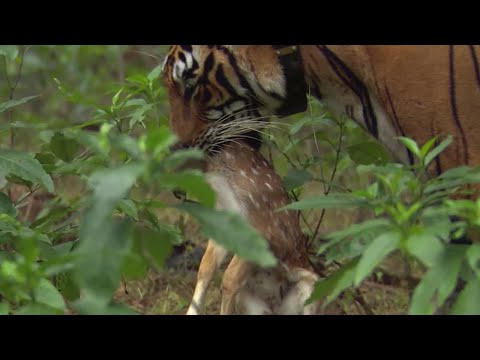
Mountain lions (puma concolor) are serious ambush hunters, taking down adult deer all over North and South America. They use cover and a short, explosive burst of speed to grab the neck or throat.
Cougars and jaguars can handle big deer species like red deer or roe deer if their ranges overlap. Smaller wild cats—bobcats, lynx, and other felids—don’t usually go after full-grown deer but will target fawns and weaker adults.
Lynx hunt well in snowy, boreal forests and can keep young deer numbers in check. Leopards in parts of Asia and Africa hunt deer too, and often drag carcasses up into trees to keep them safe.
If you’re studying deer populations, watch for signs of cat predation: neck bites, cached kills, and single drag marks. These predators make deer warier, especially around dawn and dusk.
Birds of Prey and Scavengers
Big raptors like golden eagles and bald eagles sometimes take newborn fawns in open or mountainous spots. You might see an eagle swoop down, grab a fawn, and carry it off a short distance—mainly where fawns are small and exposed.
Scavenger birds—turkey vultures, black vultures, crows, and ravens—clean up deer carcasses fast. They speed up nutrient cycling and cut down on disease by eating meat and soft tissue.
Vultures usually spot carcasses quickly by soaring or using their sense of smell, and they can strip a carcass to the bone in just a few days.
Hawks don’t really hunt deer, but you might catch them harassing fawns or pecking at exposed organs on a fresh kill. Watching scavenger activity gives you clues about recent predator kills and local deer deaths.
Alligators, Wild Dogs, and Less Common Predators
In the southeastern U.S., American alligators often kill deer that wander too close to swamp edges. You’ll usually spot drag marks leading into the water and find submerged carcasses with obvious bite wounds.
Alligators don’t discriminate—they’ll take both adults and fawns if the opportunity comes up.
Wild dogs—whether they’re feral, dingoes, or just packs of domestic dogs—go after fawns and sometimes injured adults. They tend to hunt by chasing their prey until it tires out, and when they’re in groups, local herds can really feel the pressure.
Some less common predators, like brown bears, wolverines, and wild hogs, might scavenge or sometimes kill deer themselves. It’s rare, but polar bears and even killer whales have eaten deer, especially in island or coastal areas where odd things can happen.
And honestly, humans are the biggest threat to most deer species. Through hunting and, maybe more often than we’d like to admit, vehicle collisions, people have a huge impact on deer numbers and how these animals behave.


