
Ever spot a deer poking around a tipped-over dog bowl and wonder if dog food actually tempts them? Yep — deer will eat dog food if it’s easy to snag, but honestly, it’s not good for their health or their natural habits.
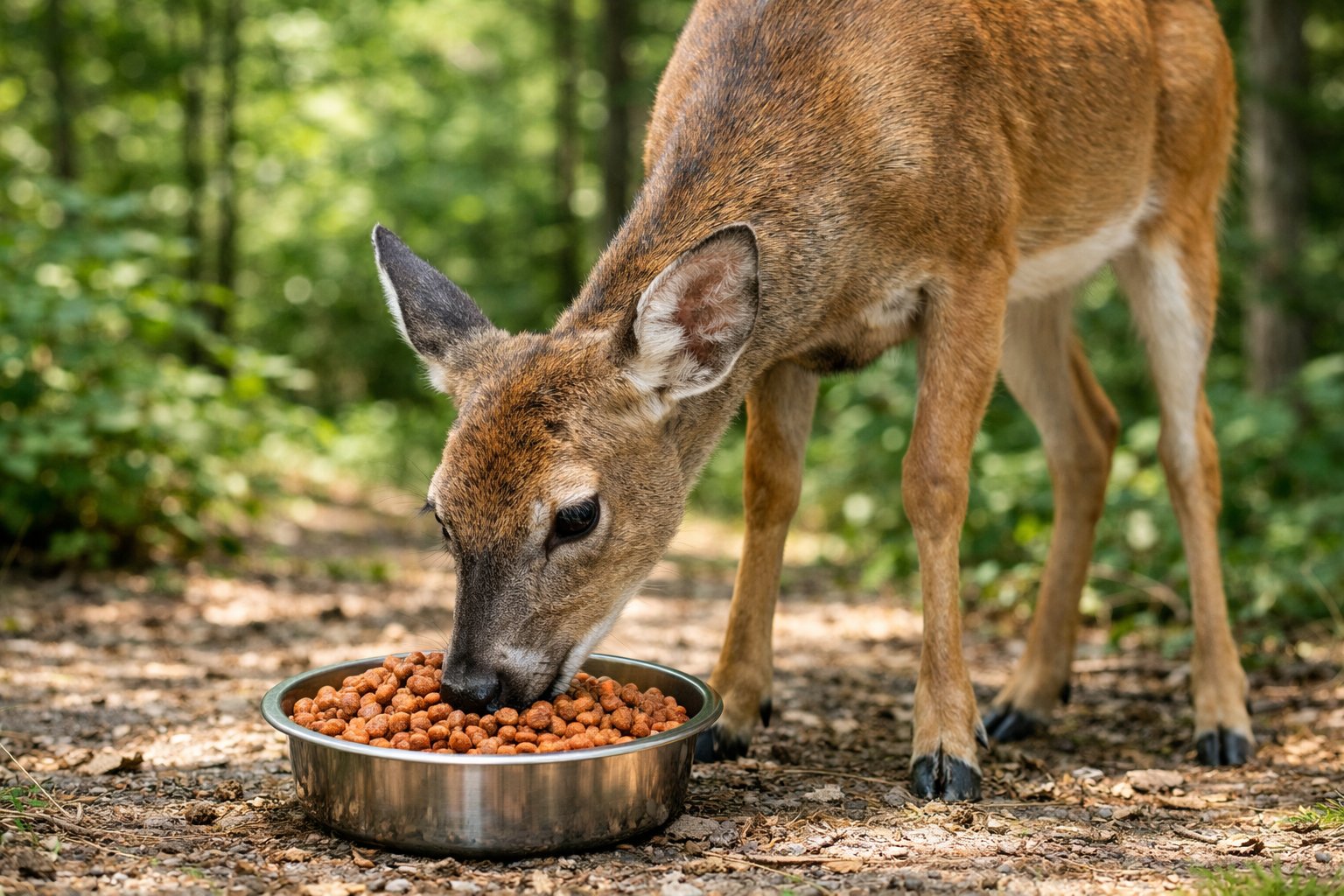
Let’s talk about why deer even try weird non-plant foods, what kind of risks dog food brings, and what’s actually safe to offer wild deer. The next bits cover how deer feed, the problems human food causes, and better, more natural options you might consider—or skip.
Why Deer Eat Dog Food and Why They Shouldn’t
Deer sometimes go for dog food because it’s got easy calories and a strong smell. But eating it can mess up their digestion, body condition, and even their wild instincts. It’s worth knowing why they wander over to pet bowls and why you really should keep pet food out of reach.
Opportunistic Eating: When and Why Deer Try Dog Food
Deer usually try dog food when they can’t find enough natural food—think late winter or dry spells in summer. You might catch them in your yard if you leave out dry kibble or canned food overnight.
The meaty, fatty scent in most dog foods draws them in. That smell stands out compared to grass and twigs.
Younger deer and females with fawns seem to take more risks for high-calorie snacks. Urban edges and yards close to woods make it easy for them to sneak in.
You’ll probably see them show up at dawn or dusk, since that’s when they feed most and people aren’t around. Just bringing bowls inside or feeding pets on a set schedule can stop them from turning your yard into a nightly buffet.
Health Risks for Deer from Eating Dog Food
Dog food really doesn’t agree with deer. Deer need a high-fiber, plant-based diet. If they suddenly eat high-protein, high-fat kibble, they can get acidosis or enterotoxemia—both are serious and can even kill them.
You might notice bloating, diarrhea, or a lethargic deer after they raid a pet bowl. Long-term, dog food can mess with their body condition and even change how antlers grow.
It also hides underlying health problems, so you or wildlife managers might miss signs of natural disease. If you want to protect deer from both quick and long-term health issues, just don’t leave pet food outside.
Impact of Dog Food on Wild Deer Behavior
When deer get used to eating dog food, they start acting differently around people. They lose their natural caution and keep coming back for more.
You’ll see them hanging around yards or even wandering near roads, which obviously ups the risk of car accidents and predator run-ins.
When deer gather in small areas for easy food, disease spreads faster and stress goes up. That means more parasites and a higher chance of serious illnesses like chronic wasting disease (CWD).
If you keep dog food out of reach, you help deer stay wild and reduce both disease and neighborhood drama.
Natural Deer Diet and Better Food Choices
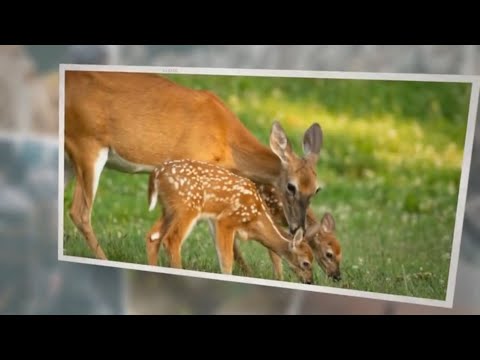
Deer mainly eat plants and really need foods that suit their digestive system. It’s best to focus on what they digest well and skip processed or meat-flavored stuff.
What Deer Naturally Eat in the Wild
Deer are browsers. They munch on leaves, twigs, grasses, and forbs. In spring and summer, they’ll go for fresh leaves, clover, alfalfa, and new shoots.
You might see them eating mushrooms, berries, apples, and nuts like acorns in the fall.
During winter, they switch to woody twigs, bark, and whatever dry, hay-like plants they can find. Deer choose plants with the right fiber and low sugar for their rumen.
Sure, they’ll eat corn and apples, but those aren’t great if that’s all they get. Try not to get them hooked on food from your yard—big gatherings mean more disease and predators.
For more on safe feeding, you can check out deer diets and feeding tips at PetMD (https://www.petmd.com/wildlife/what-do-deer-eat).
Nutritional Differences Between Deer and Dog Diets
Deer thrive on a high-fiber, low-fat, plant-based diet. They rely on specific minerals like calcium, especially when they grow antlers.
Their multi-chambered stomachs let them slowly digest grasses and browse. They break down cellulose through fermentation.
Dogs, on the other hand, need more protein and some animal fat. Their diets include vitamins tailored for carnivores or omnivores.
Most dry and wet dog foods pack in animal proteins, fats, and additives. These ingredients can upset a deer’s gut and throw off their nutrient balance.
Feeding dog food can also lure deer closer to people. That ups the risk of spreading disease.
If you want to help deer, try planting native browse, fruit trees, or clover. Just leaving natural vegetation alone does more good than offering pet food.
Curious about the risks of feeding dog food to deer? Check out DeerSeason’s discussion here: https://deerseason.org/will-deer-eat-dog-food/


