
You can eat deer meat pretty often, but you’ve got to stay smart about it. Nutrients alone won’t protect you—good sourcing, disease testing (think CWD), and careful cooking matter way more.
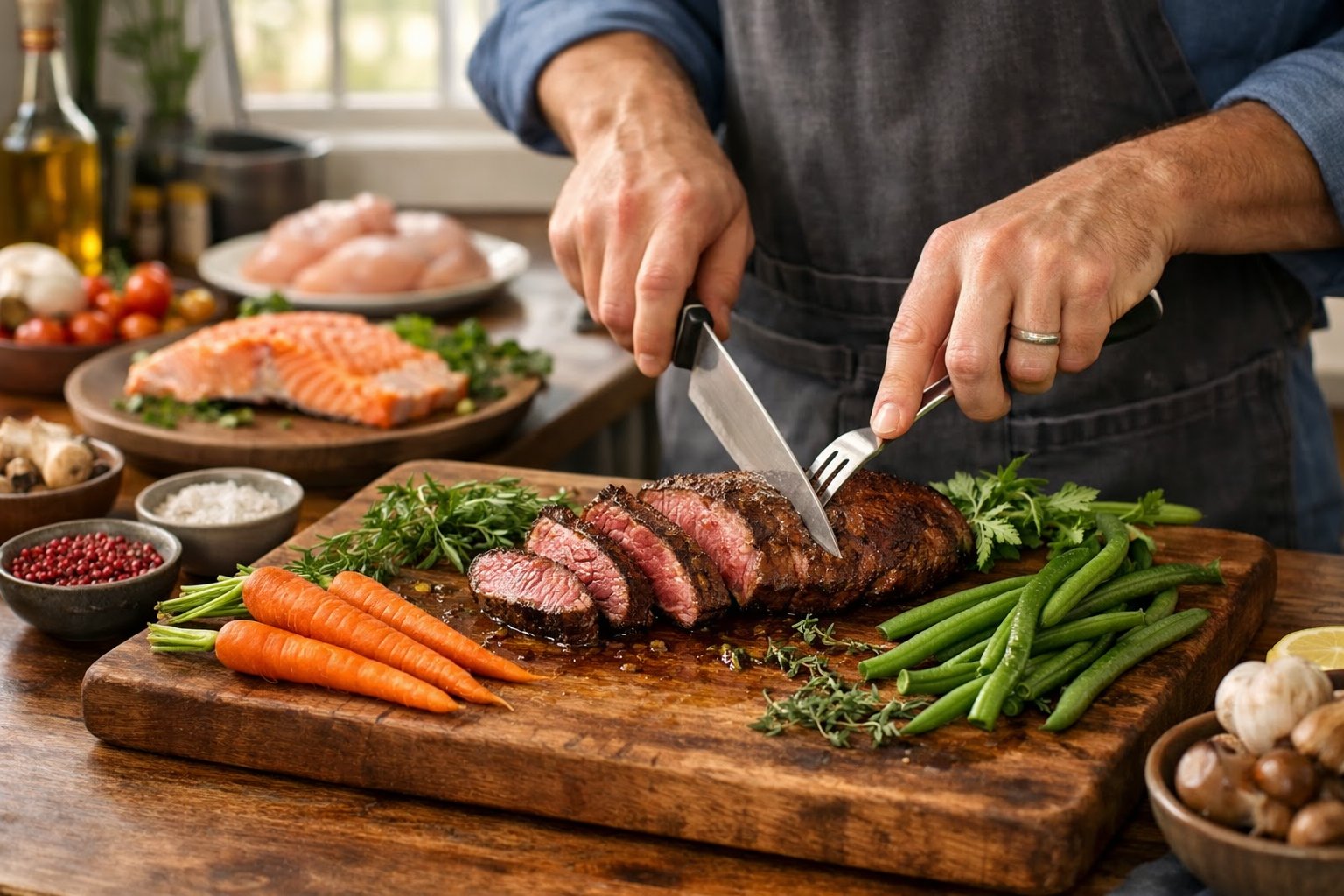
Venison’s lean, packed with protein and iron, but let’s be honest—if you only eat deer, you’ll miss out on fiber and some vitamins. Check where your meat comes from, cook it right, and mix it into your weekly meals for the perks without taking on unnecessary risks.
Curious about what makes venison good for you? Or what to watch out for? Here’s what you need to know about nutrition, safety, and keeping your deer dinners enjoyable and safe.
Is It Safe to Eat Deer Meat Regularly?

Deer meat brings lean, high-quality protein and solid vitamins and minerals. But you’ll have to watch out for food safety and disease issues. If you know the pros and cons, handle and cook it safely, and pay attention to local deer health, you can enjoy it regularly.
Nutritional Benefits of Venison
Venison’s a lean red meat. In just 3 ounces cooked, you get about 22 to 26 grams of protein. That’s great for muscle repair and keeping you full.
It’s got less fat and fewer calories than beef. You’re getting iron, zinc, and B vitamins, especially B12 and niacin, which help with energy and red blood cells.
If you’re watching your saturated fat, venison helps since it has less than most farmed meats. It also fits into weight-loss or athletic diets pretty well. Wild deer usually have more omega-3s than grain-fed livestock, depending on where they live.
Potential Health Risks and Food Safety
Raw or undercooked venison can carry bacteria like Salmonella, E. coli, and Listeria. Always cook ground venison to at least 160°F (71°C) and whole cuts to 145°F (63°C), then let the meat rest for three minutes.
Cross-contamination can happen fast. Wash your knives, cutting boards, and hands after handling raw meat. Chill or freeze meat quickly, and thaw it safely.
Field dressing makes a difference. If you hunt, don’t puncture the guts and keep the carcass cool. If you buy venison, stick with a butcher you trust who follows the rules.
Concerns About Chronic Wasting Disease
Chronic wasting disease (CWD) affects deer and elk. Prions cause it, and those things survive normal cooking and cleaning.
Public health agencies say you shouldn’t eat meat from animals that test positive for CWD. If you hunt in a region where CWD is known, get your deer tested when you can. Here’s more on CWD prevalence.
Skip the brain, spinal cord, eyes, spleen, and lymph nodes—they hold more prions. If you spot a deer acting weird, looking thin, or drooling a lot, don’t eat its meat.
Advisable Eating Habits and Moderation
Change up your protein sources. Mix venison with poultry, fish, or legumes so you’re not relying on just wild game.
If you hunt in an area with rising CWD or can’t get animals tested, keep venison meals to a few times a week or less. If your deer test negative and you follow safety steps, eating it a few times per week is usually fine.
Stick to normal portions—about 3 to 4 ounces cooked per meal. Don’t eat organ meat often. Stay up to date on local wildlife health alerts and testing programs so you can adjust your habits as needed.
Best Practices for Handling, Cooking, and Sourcing Deer Meat

Handle your deer right in the field, pick cuts that cook well, and go with hunters and methods that keep things clean and simple. Keep the meat cold, avoid nervous tissue, trim around bullet wounds, and use backstraps and tenderloins for most meals.
Safe Field Dressing and Meat Handling
Dress the deer as soon as you can to cool it down. Open the body and get the organs out fast to slow bacteria. If it’s warmer than 41°F (5°C), get the meat cooled below that quickly.
Wear gloves to avoid touching fluids directly. Keep your knife and hands clean, rinse tools in hot water, and sanitize surfaces after. Don’t puncture the gut.
Remove lymph nodes and avoid cutting into the spine and skull when you’re field dressing to lower disease risk. Carry meat in clean game bags and hang quarters in the shade or a cooler. If something seems off, don’t eat the meat—call your local wildlife authorities or check out your state’s advice, like New York’s guidance on processing game.
Recommended Cuts of Venison to Eat
Backstraps and tenderloins are the best—tender, mild, and easy to trim. Roasts and steaks come from the hindquarters, but trim off fat and silver skin before you cook.
Stay away from meat near the wound channel. Trim generously around bullet or arrow entry points and toss any damaged parts. Grind only well-trimmed meat to avoid bone or bullet bits.
Shoulder and shank cuts are good for slow cooking. They get tender with a long braise. If you want ground venison less dry, mix in a little pork or beef. Concerned about lead from ammo? Try non-lead bullets or bows, and check your state’s tips on lead and trimming practices.
Ethical and Sustainable Hunting Practices
Plan your hunts around local bag limits and seasons. That way, you help protect wildlife populations.
Harvest the age and sex that wildlife managers recommend. This supports the overall health of the herd.
Choose your gear and shot placement carefully. You want to minimize wounds and avoid losing meat.
Field dress and retrieve any wounded animals right away. That helps prevent waste.
Whenever you can, use all the edible parts. If you have too much, think about donating extra meat to local food programs.
Respect the habitat. Sometimes, it’s best to leave antlers and non-edible parts behind, depending on the rules or what’s good for the ecosystem. Always check local guidance before collecting anything.
Learn about chronic wasting disease zones. Avoid eating high-risk tissues if you hunt in those areas.
Making thoughtful, ethical choices keeps wild game safe to eat. It also helps make sure hunting stays sustainable for years to come.


