
Ever wondered how deer end up as the meat you can actually use? Hunters usually take a deer with a clean, accurate shot, then quickly field dress it to remove the organs and cool things down, which keeps the meat safe and tasty. If you hunt or buy wild game, knowing this stuff really helps you judge the quality and safety of your meat.
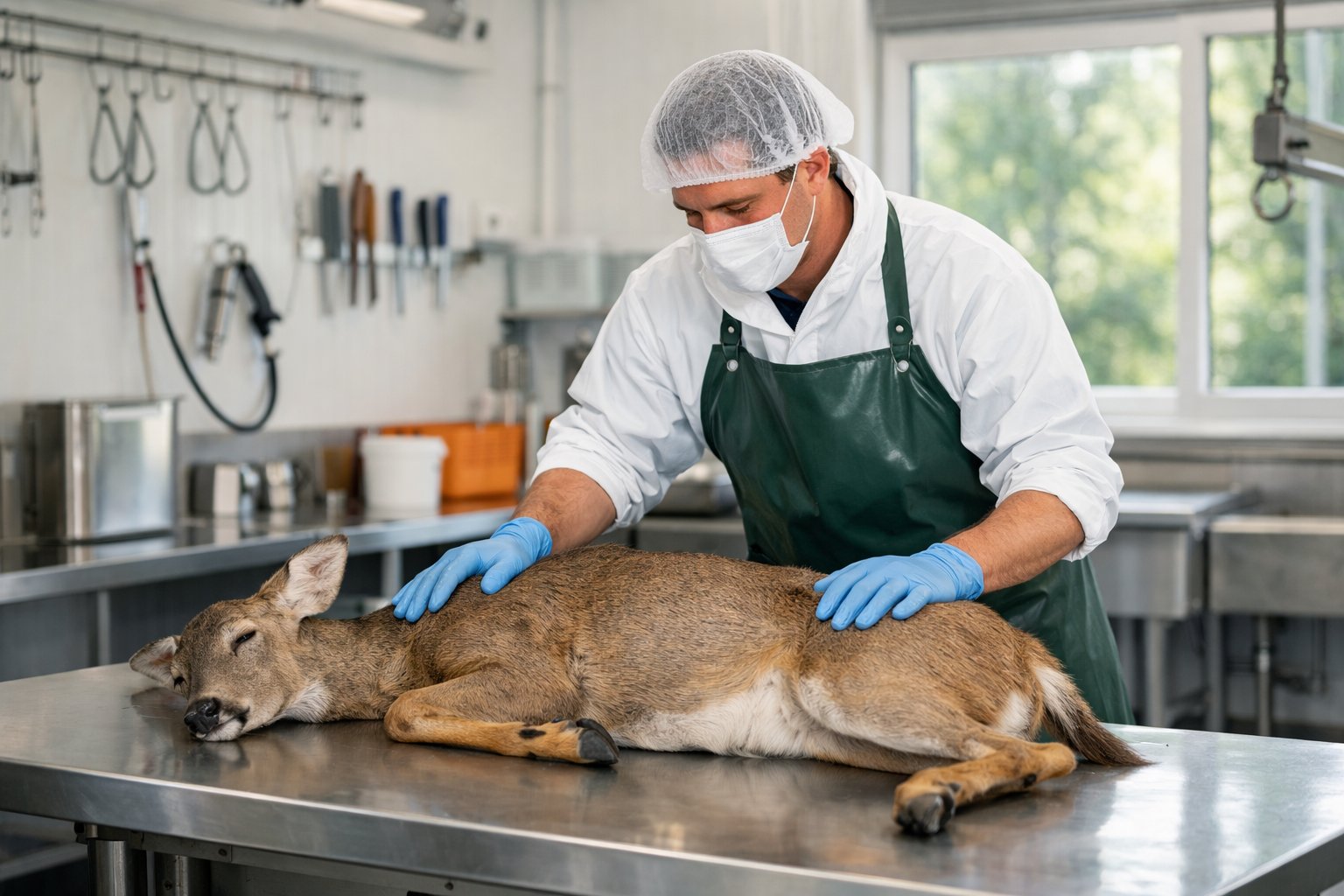
Field dressing, skinning, and breaking down the deer all work together to keep your venison clean and flavorful. If you want to handle or even just evaluate deer processing, stick around—I’ll walk you through each step.
How Are Deer Slaughtered and Field Dressed?

You’ll get the rundown on legal limits, the step-by-step cuts for removing organs, and which tools actually keep your meat clean and safe. Stick to safe steps so your venison stays top-notch and you don’t run afoul of local laws.
Legal and Ethical Considerations
Before you even think about pulling the trigger, make sure your tagging and licensing are sorted. Every state has its own rules for tagging, check-in, and transporting deer. Some places make you leave the sex organs on until inspection, which feels odd but it’s the law. Other regions have Chronic Wasting Disease rules—those can really change how you move or dispose of a carcass.
Go for a quick, humane kill. Aim for the heart and lungs, and only shoot at close range when it’s safe. If the rules say so, jot down the time of the kill. Once you shoot, make sure the deer is actually dead before you walk up. If you notice weird organs, discoloration, or a nasty smell, it’s a good idea to call a game warden or wildlife biologist.
Don’t waste meat. Field dress the deer properly to keep everything edible and safe. Pay attention to what the landowner wants when it comes to gut piles, and always respect posted signs and local hunting traditions.
Field Dressing Procedures
Grab a sharp hunting knife and put on gloves. Lay the deer on its back and spread the legs out. Make a careful cut just through the skin below the sternum, then slice down to the pelvis but don’t poke the guts.
Tie off the anus if you can, to avoid any mess. Make a small cut through the abdominal wall, slip in two fingers, and slide the blade up toward the chest, keeping your fingers between the blade and the organs. Cut the diaphragm, and if you need to, saw through the sternum to open up the chest.
Pull the windpipe and esophagus down and out, and you can usually get most of the organs in one go. If anything hangs up at the back, just cut the connective tissue.
Keep things clean. Cut skin from the inside out, rinse the body cavity with clean water or even snow, and dry it off with paper towels. If you’re planning to quarter the deer, use a boning knife for tight cuts and a skinning knife when you’re ready to remove the hide. Put quarters in game bags to cool them off and keep dirt away.
Essential Tools and Equipment
Bring a sharp hunting knife with a 3–5 inch blade, plus a tough bone saw. Have a separate boning knife for the tricky bits and a skinning knife if you want to take the hide off in the field. Keep a sharpener or spare blades handy so you don’t end up hacking at the meat.
You’ll want nitrile gloves, game bags, zip ties or rope, paper towels, disinfectant wipes, and a cooler or insulated box for hauling meat. A folding saw or hatchet is handy for big bones. For long hauls, a game cart or backpack makes life easier.
Label your kit and keep everything clean and dry after you use it. The right tools make it way less likely you’ll puncture the guts and help you turn a deer into usable cuts fast. If you want to see detailed step images and timing tips, check out this field-dressing guide from ilearntohunt.
Skinning and Breaking Down the Deer

You’ll take off the hide, separate the main cuts, and trim or debone the meat for packing and cooking. Work as cleanly as you can, use sharp tools, and keep chilled meat away from dirt and bone dust.
Skinning Techniques and Methods
Hang the deer by its hind legs on a gambrel if you can. Gravity really helps. Make a shallow cut at each hock and a small cut on the chest to connect to your field-dress incision.
Use the tip of a sharp knife to lift the hide, keeping the blade angled away from the meat so you don’t slice into it. Work the hide down the legs and around the shoulders with short, careful strokes. If the deer’s still warm, the hide comes off easier.
Take your time around the brisket, neck, and shoulders, since the hide’s thicker there. Trim off any hair or fat that touches the meat to keep things clean.
If you don’t have a gambrel, lay the deer on a clean tarp and pull the hide while someone else holds tension. Only use a bone saw when you absolutely have to—like for gutting or taking off the head. Try not to saw through meat you’ll eat.
Quartering and Separating Cuts
Start with the hindquarters. Bend each hind leg and cut through the joint at the ball-and-socket. You don’t need to saw bone here. Pull the leg away and slice the connective tissue and muscle to free the quarter.
Take off the front shoulders by finding the joint near the scapula and following it with your knife. For the backstraps, cut along the spine from pelvis to neck—these are great for grilling. Inside the body cavity, look for the tenderloins along the lower backbone and free them with gentle cuts.
Keep smaller pieces like ribs, neck meat, and flank separate for things like grinding, jerky, or roasts. Use a clean surface and separate bags or trays for each major cut so you don’t mix things up or cross-contaminate.
Cut Identification and Care
Label each cut as you go: hindquarters, front shoulders, backstraps, tenderloins, ribs, and trim. Backstrap and tenderloin are the most tender, so cool and wrap those first.
Cool the meat quickly. Hang whole quarters or put cuts on ice in breathable packaging to avoid freezer burn. Trim off silver skin and connective tissue from steaks, and don’t leave much fat—venison is already pretty lean.
Store ground or trimmed meat in airtight bags and use it within the recommended freezer times. Use separate knives and boards for trim and grind work. Clean saw blades and wipe surfaces often to keep bone dust and fragments out of your edible cuts if you use a bone saw or meat saw.
Deboning and Meat Preparation
Lay each quarter flat. Follow the natural seams to separate the muscles.
Grab a boning knife and cut close to the bones. Keep your strokes smooth and shallow.
Take your time around joints and ribs. You don’t want to end up with bone fragments mixed in.
If you’re prepping large cuts for the freezer, portion them into roasts, steaks, or strips.
Trim the silver skin and any extra sinew from backstraps before slicing. It makes the texture better and helps everything cook more evenly.
Toss ribs, neck, and small scraps into a pile for grinding into burgers or sausage later.
When you use a bone saw for rib sections or the neck, cut outside the meat you want to keep.
Sanitize the saw and your workspace after you cut the bones. It’s worth the extra minute to prevent contamination.
Label your vacuum-sealed or wrapped portions clearly with the cut and date. That way, you can keep track of flavor and age.


