
You’ll spot deer munching on all sorts of plants, but honestly, they seem to crave tender leaves, acorns, clover, and sweet fruits like apples and berries the most.
Deer go after high-energy, easy-to-digest foods—especially acorns and clover—when they need calories for winter or nutrients to grow those impressive antlers.
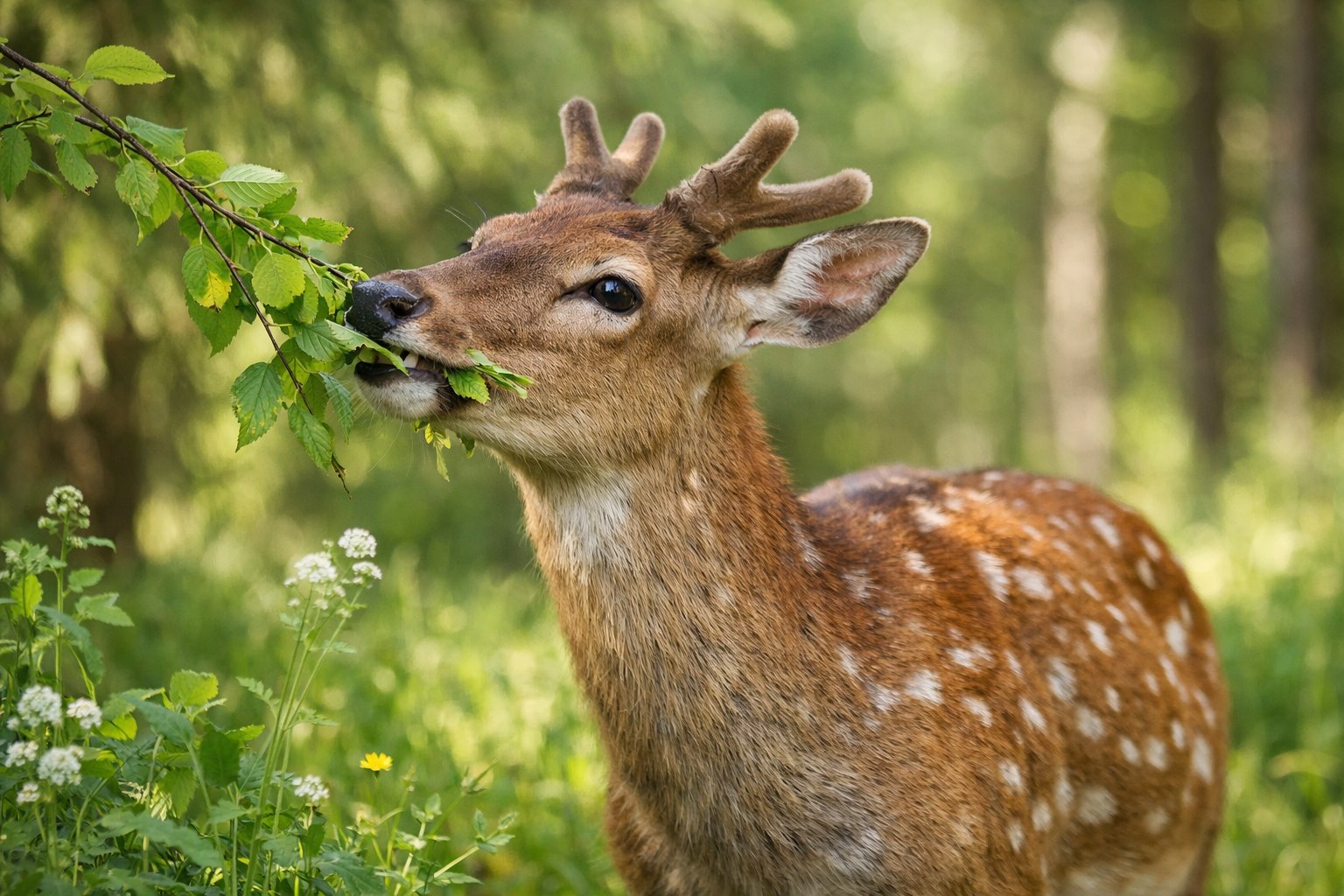
If you’re curious about what deer eat and why they pick certain foods, you’re in the right place.
This post dives into what deer eat most, how the seasons and their habitat change their menu, and which foods attract or turn them away.
Stick around to see which plants might lure deer to your yard and how their eating habits shape the landscape.
The Top Foods Deer Love Most

Deer pick foods that give them quick energy, a good dose of protein, and are easy on their stomachs.
They’ll grab nuts and fruits for calories, tender leaves and forbs for protein, and nibble grasses or clover for steady nutrition.
Acorns and Nuts
Acorns and other nuts pack in dense calories, letting deer bulk up for winter.
They seem to love white oak acorns more than red oak ones—probably because they taste sweeter and have less tannin.
Hickory nuts, chestnuts, and beechnuts also draw deer in when they drop in autumn.
You’ll often find deer lingering under oak and hickory trees in the fall.
They use their noses to sniff out nuts hidden under leaves or soil.
If you own land, planting trees that drop lots of nuts can really help deer survive the winter.
Fruits and Berries
Fruits offer fast sugars and vitamins, especially when deer need a quick energy boost.
They go for apples, pears, and persimmons in orchards and along edges.
Wild berries—like blackberries, raspberries, and grapes—pull deer in during summer and early fall.
You might spot deer sneaking into gardens, orchards, or berry patches at dawn or dusk.
Farmers and gardeners notice the damage when fruit is ripe.
Planting fruit trees near cover makes it more likely you’ll catch deer feeding.
Tender Leaves and Forbs
Tender leaves, shoots, and forbs give deer the protein they need in spring and summer.
Watch for deer browsing shrubs, hostas, and young tree seedlings.
Forbs like chicory, plantain, and other broad-leaved herbs pack in digestible protein for does and fawns.
Deer usually take buds and new growth first.
This helps them with antler and muscle development.
If you’re planting food plots, toss in forbs and legumes to boost the protein.
Grasses and Clover
Grasses and clover give deer steady, easy-to-digest food through much of the year.
They’ll eat bluegrass, fescue, and ryegrass when it’s fresh.
Clover—especially white clover—and alfalfa stand out for their high protein and minerals.
Corn and soybeans grab their attention too, but grasses and clover are more of a daily staple.
Clover stays green longer into cool weather and helps with antler growth.
If you manage pastures, mixing in grasses and legumes keeps deer healthy and hanging around.
Factors That Influence Deer Food Preferences

Deer pick what to eat based on what’s around, how nutritious it is, and whether they feel safe while feeding.
Seasonal changes, crops, and their own digestion all play a part in what they decide to munch on.
Seasonal Changes and Habitat
In spring and summer, deer go after tender leaves, forbs, and soft mast like berries.
New growth in the forest understory and along edges gives them protein and water, which helps does nurse and fawns grow.
You’ll often see deer out at dawn and dusk when fresh browse is everywhere.
When autumn rolls around, acorns and other hard mast become crucial.
These foods help deer pack on fat before winter hits.
In winter, deer switch to eating woody browse and bark, especially where snow is deep or other food is scarce.
Local habitat—like oak woods, mixed forests, or even suburban yards—really determines which foods deer find in each season.
Deer change their feeding times too, depending on human activity.
In neighborhoods, they might feed around midday when things are quieter.
Out in the wild, they stick to dawn and dusk to dodge predators and save energy.
Impact of Agricultural Crops and Garden Plants
Crops and gardens are like magnets for deer, packing in calories they need.
Corn, soybeans, and alfalfa give them the energy and protein for fat and antler growth.
You’ll spot deer raiding fields at night when people aren’t around.
Garden veggies like lettuce, peas, and beans are soft, tasty, and easy for deer to eat.
That draws them into yards and can lead to some headaches for homeowners.
Planting clover or legumes in food plots can boost local deer health, but if too many deer gather, it can raise disease risk and change how they forage naturally.
If you’re managing land, think about fence height, where you put crops, or using repellents to protect your best plants and encourage deer to stick to wild foods.
Nutritional Needs and Digestive Adaptations
Deer have a four-chambered stomach, like other ruminants. Their rumen ferments fibrous plants, which is kind of fascinating if you think about it.
They usually go for the good stuff—young shoots, buds, and soft mast. These parts offer more protein and minerals, and honestly, they’re easier to chew.
That diet really helps with antler growth and reproduction. When winter hits and those tasty concentrates disappear, deer turn to woody browse and twigs for fiber.
This fiber keeps their rumen working, but if they eat too much low-quality feed, their body condition drops. Water matters, too; deer need regular access to stay healthy and digest food properly.
How you feed deer really makes a difference. If they eat only corn or a single crop all the time, their digestive systems can get messed up, and disease spreads more easily.
If you want healthy deer and impressive antlers, you should keep the landscape diverse. Mix in grasses, forbs, legumes, mast trees, and woody browse wherever you can.


