
Spotting a deer in your yard makes you wonder what it’s snacking on and why. Deer mostly eat plants—leaves, twigs, fruits, nuts, and even your garden veggies. Their diet shifts with the seasons, which really affects where they roam, what they munch in your yard, and whether it’s a good idea to feed them at all.

You’ll find out which plants deer love, how their stomachs handle all that roughage, and why feeding them can actually backfire. This guide gives you a better shot at protecting your garden and understanding how deer think—so you can enjoy seeing them without causing a headache.
What Do Deer Eat: Key Foods in the Deer Diet
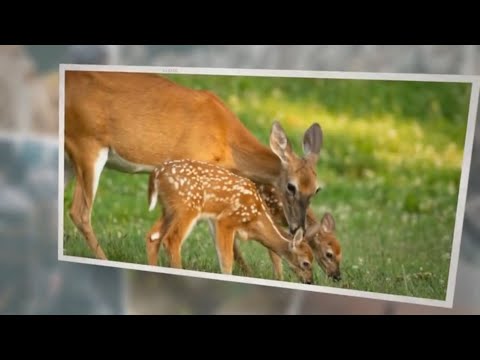
Deer go for foods that pack the most nutrients with the least effort. They’ll munch young leaves, fruits, nuts, and tender plants, but their picks change with the seasons and what’s around.
Browse: Woody Plants, Leaves, and Shrubs
Browse covers the leaves, buds, and twigs of trees and shrubs. You might spot deer nibbling oak saplings, willow shoots, ash leaves, or fresh maple and aspen growth—especially during fall and winter when food gets scarce.
Deer love the newest shoots since those hold more protein and are easier to digest than older branches.
You’ll often see them on briars, dogwood, wild roses, and young oak or willow saplings.
When deer browse, they sometimes kill small trees, leaving behind stripped bark or clipped tops.
In winter, browse takes up a big chunk of a whitetail’s diet, though in milder places, it’s a year-round staple.
Favorite Nuts and Fruits: Acorns, Apples, and More
Hard mast like acorns, chestnuts, hickory nuts, and pecans give deer a solid dose of fat and carbs for the colder months.
White oak acorns top their list since they’re lower in tannins and easier to digest.
When mast crops are heavy, deer flock to those areas and herd sizes can shift a lot.
Soft mast—think apples, persimmons, pears, and berries like blackberry or elderberry—offers quick sugars and vitamins in late summer and fall.
Deer won’t pass up sunflowers, pumpkins, or even crops like sorghum and corn if they find them.
When acorns drop, you’ll probably see deer hanging out under oak trees or near fruiting bushes.
Forbs and Grasses in Deer Nutrition
Forbs are those broad-leaved, non-woody plants—clover, chicory, goldenrod, ragweed, and legumes like peas and alfalfa.
They’re high in protein and super digestible, so deer really go after them in spring and summer.
White clover patches and alfalfa fields attract deer, especially does that need extra nutrition for nursing fawns.
Grasses and cereal grains (oats, wheat, barley, bluegrass) don’t get as much attention because they’re not as nutritious.
Deer might nibble young cereal shoots in early spring or pick at leftover grain after harvest.
On managed plots or farm fields, they’ll eat brassicas and root crops—turnips, beets, or sweet potatoes—if those are around.
Deer Biology, Feeding Habits, and Safe Feeding

Deer have a ruminant’s digestive system and some pretty picky eating habits.
Let’s look at how their four-chambered stomach works, why they chase high-quality plants, and what to keep in mind if you ever consider feeding them.
How Deer Digest Food: The Four-Chambered Stomach
A deer’s stomach has four chambers: rumen, reticulum, omasum, and abomasum.
The rumen’s packed with microbes that break down tough plant fibers, letting deer pull nutrients from things like twigs and acorns in ways we just can’t.
The reticulum helps trap heavy or coarse bits and forms the cud.
You’ll sometimes see deer chewing cud—they spit up partly digested food, chew it again, and swallow to get more out of it.
The omasum pulls water and minerals out of what they’ve eaten.
Finally, the abomasum works like a true stomach, using acids and enzymes to finish breaking down proteins before nutrients move into the intestines.
This system works best with soft, nutrient-rich plants—not coarse, woody stuff.
If you want to geek out about deer digestion, check out Mississippi State University’s deer diet page.
Concentrate Selectors and Deer Feeding Behavior
Deer act as “concentrate selectors.”
They pick foods that are high in nutrients and easy to digest, favoring browse, forbs, and mast over tough grasses.
You’ll notice deer change their diet with the seasons.
Spring and summer bring leafy browse and forbs, but once fall hits, they switch to acorns and other hard mast.
They pick plants that help them meet their energy and protein needs for growing, nursing, or growing antlers.
When habitat quality drops or there are too many deer, they’ll eat lower-quality stuff, but it doesn’t always keep them healthy.
Good wildlife management means improving habitat and planting food plots—clover, brassicas, or legumes—that actually match what deer need.
Should You Feed Deer? Safety and Wildlife Management Tips
Feeding deer might seem helpful, but it can actually hurt their health and even harm populations if people do it the wrong way.
Skip the processed foods, bread, or dairy. Those things mess up their rumen microbes and can lead to some pretty nasty, even deadly, digestive issues.
If you’re looking to help deer, it’s much better to improve their habitat than to hand-feed them.
Try planting native browse or restoring edge habitat. You could even create food plots with clover or brassicas that actually fit your region. These choices support their natural nutrition and lower the risk of disease.
Always check your local wildlife rules before you do anything. Don’t pull a crowd of deer to one feeder—packing them together just spreads disease and messes with how they move around.
Want more info? You can find guidelines on safe deer feeding and management at the Institute for Environmental Research.


