
You’ll probably hear different names for a young or small deer, but the word that covers most situations is “fawn.” A fawn means a baby deer—usually what you spot in fields or forests.
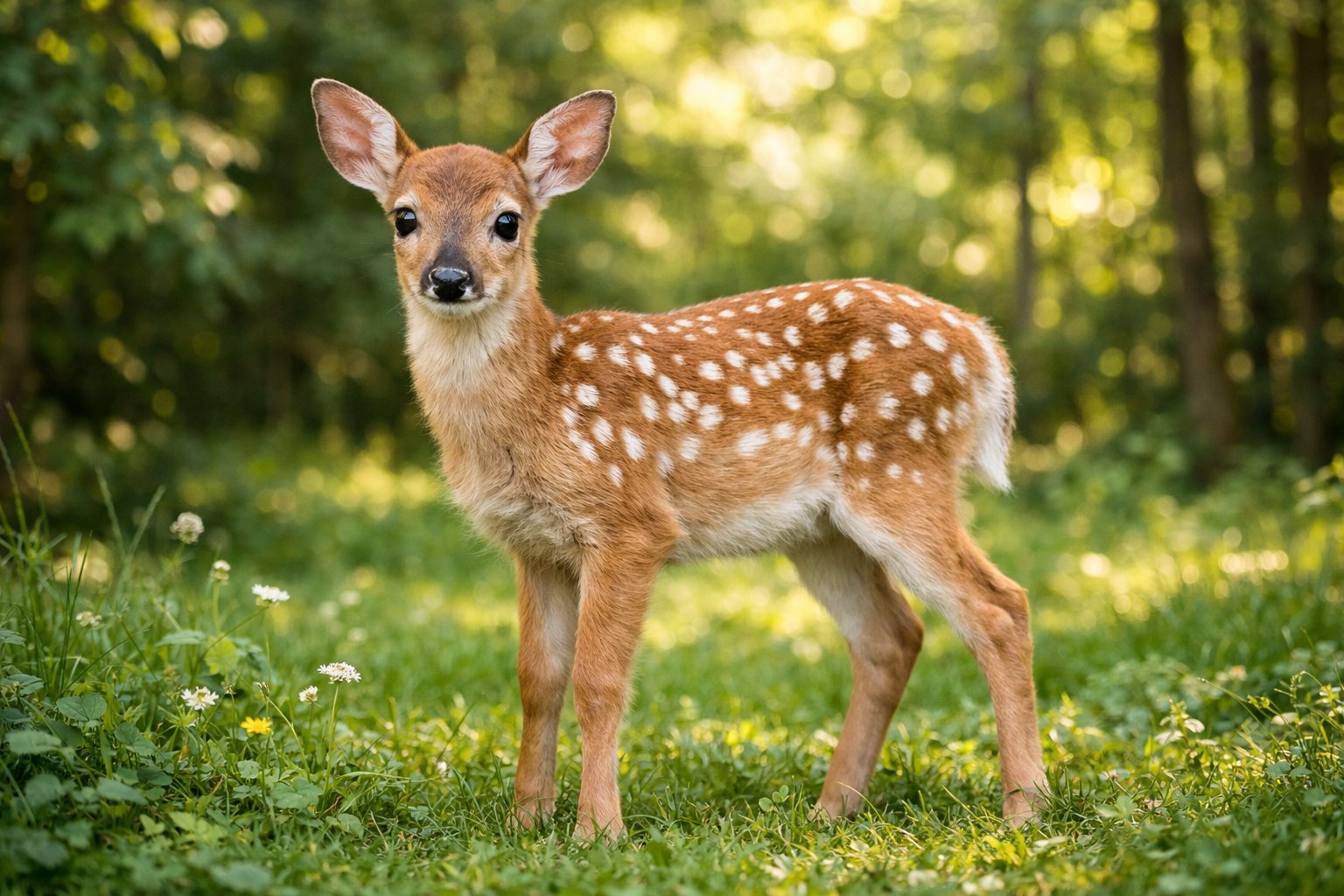
If you want to get specific, males grow up to become bucks and females become does. Larger species sometimes use the words stag or bull for adult males.
Some tiny species have their own names, like the pudu. This deer is the smallest in the world, and it’s got its own quirks and interesting size facts.
Small Deer Names and Species

Let’s talk about what people call small deer, how to spot the tiniest species, and the right terms for males, females, and babies. There are also other small deer you might find around the world.
What Is a Small Deer Called?
People usually call the world’s tiniest true deer a “pudu.” Pudus stand just 13–17 inches (32–44 cm) at the shoulder and weigh less than 30 lb (14 kg).
You’ll hear casual terms like “miniature deer” or “small deer” for tiny species or small individuals. Some folks say “mouse-deer” or “chevrotain,” but those aren’t real deer—they belong to a different family called Tragulidae.
For true deer (Cervidae), names like pudu, muntjac, and roe deer point to the smaller species. If you want to be exact, you can use scientific names like Pudu puda or Pudu mephistophiles.
Identifying the Smallest Deer Species
The two pudu species take the prize for being the smallest true deer. The northern pudu (Pudu mephistophiles) might be just 13 inches (32 cm) tall.
The southern pudu (Pudu puda) gets a little bigger, but it’s still tiny compared to a whitetail deer—those stand about 3 feet at the shoulder.
Other small deer include muntjacs (people call them barking deer) and the Visayan spotted deer, which looks small next to big species like red deer or elk. Chevrotains (mouse-deer) are even tinier, but they’re not cervids.
You can spot small species by their short legs, compact bodies, and the small antlers on males. Curious about pudus? Check out the Pudu genus for photos and range maps.
Male, Female, and Baby Deer Terms
People call an adult female deer a “doe” or sometimes a “hind,” depending on where you are and the species. Adult males go by “buck” or “stag.” In certain deer like the Chinese water deer, females don’t have antlers, so you can’t always rely on antlers to tell them apart.
Most baby deer are “fawns.” Some species use “calf” (like elk or moose), but “fawn” covers whitetail, red deer, pudu, muntjac, and axis (chital). Sometimes you’ll hear “bambi,” but that’s just from the famous story.
If you want to be safe, just stick with “fawn” for baby deer.
Other Notable Small Deer Around the World
You might find small deer species in all sorts of places. In Asia, muntjacs and Indian hog deer (Axis porcinus) are compact and often stay hidden in thick brush.
The Visayan spotted deer lives on Philippine islands and is pretty rare. In Europe, the roe deer stays smaller than red deer or elk.
South America’s pudus live on forested mountain slopes. Some animals, like chevrotains or mouse-deer, look similar but aren’t true deer.
If you want a broader list of deer species, take a peek at the List of deer | Britannica.
The World’s Smallest Deer: The Pudu

Let’s get into what makes the pudu so tiny, where it lives, what it eats, and why people care about protecting it.
Physical Characteristics and Size
The pudu holds the record for being the world’s smallest true deer. Adults stand about 32–44 cm (13–17 in) at the shoulder and can stretch up to 85 cm (33 in) long.
Northern pudu (Pudu mephistophiles) usually stay smaller, while southern pudu (Pudu puda) tend to be a bit heavier.
Pudus weigh anywhere from 3.3–13.4 kg (7–30 lb), depending on sex and species. Males grow little, backward-curving antlers, but females don’t have any.
Their coat ranges from reddish-brown to dark brown, and older pudus can look a bit shaggy. They have small hooves, short legs, and rounded ears, which help them slip through thick underbrush and bamboo.
Habitat and Native Range
Pudus live in temperate rainforests and on mountain slopes in South America. The southern pudu shows up in southern Chile and southwest Argentina.
Northern pudu lives in the Andes—places like Colombia, Venezuela, Ecuador, and Peru. They like dense understory, bamboo thickets, and shrubby spots that hide them from predators.
Southern pudus stick to areas from sea level up to about 2,000 m. Northern pudus go higher, sometimes up to 4,000 m. Both protected parks and little forest patches matter for pudu survival, since they really need cover and a mix of plants.
Behavior, Diet, and Life Cycle
Pudus usually keep to themselves and are most active at dawn or dusk. You’ll spot them marking their tiny territories with dung piles, and they use big facial glands to communicate.
If something scares them, they might bark and dash away in a zigzag to find cover. Pudus eat leaves, shrubs, ferns, bark, fruits, berries, and fungi.
They get most of their water from food, so they don’t have to drink much. Mating happens in autumn (April–May in the southern hemisphere).
Gestation lasts about 202–223 days, ending with a single fawn or sometimes twins born in spring. Fawns weigh around 700–1,000 g at birth and grow pretty fast. Females reach sexual maturity at about six months.
Conservation Status and Threats
The IUCN Red List puts the southern pudu in the Near Threatened category. Meanwhile, the northern pudu? It’s still Data Deficient, so we don’t really know enough about its situation yet.
Logging and agriculture keep shrinking their habitat. Poachers and predators like foxes and cougars also put pressure on pudu populations, especially where their ranges cross.
Conservationists have started captive breeding and reintroduction programs. They’re also using radio collars to monitor pudus and have set up protected areas.
The pudu’s name actually comes from Mapudungun, the language of the Mapuche people. Local culture still recognizes the pudu as part of the landscape, which is kind of wonderful, isn’t it?
If you care about these tiny deer, supporting habitat protection and park enforcement can make a real difference. Responsible wildlife tourism also helps pudus and the wider ecosystem.
Curious for more? Check out the Pudu Wikipedia page for details about their distribution and other facts.


