
You probably think of “deer” as just one word, but honestly, it’s way more complicated. Across the world, people use dozens of common and scientific names for deer species, and knowing them actually makes it easier to spot the difference between a white-tailed deer, a moose, or a reindeer. Let’s break down what those names mean and where they come from, so you can tell species apart and maybe sound a bit more confident talking about them.
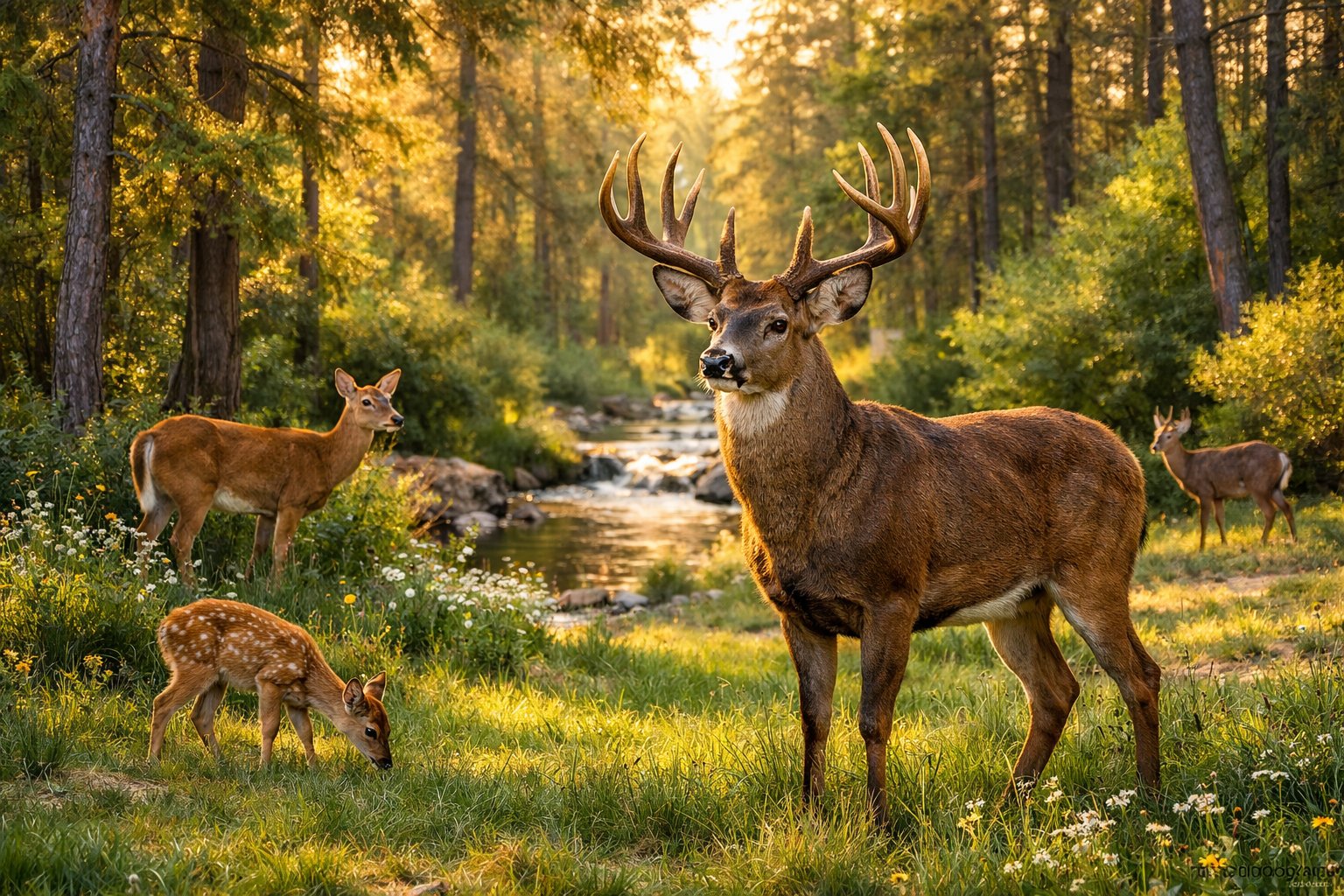
You’ll see how common names, local nicknames, and those fancy Latin scientific names all fit together. I’ll toss in clear examples from different continents and keep the reasons for naming—like identification, ecology, and conservation—pretty straightforward.
How Many Names Exist for Deer and What Do They Mean?
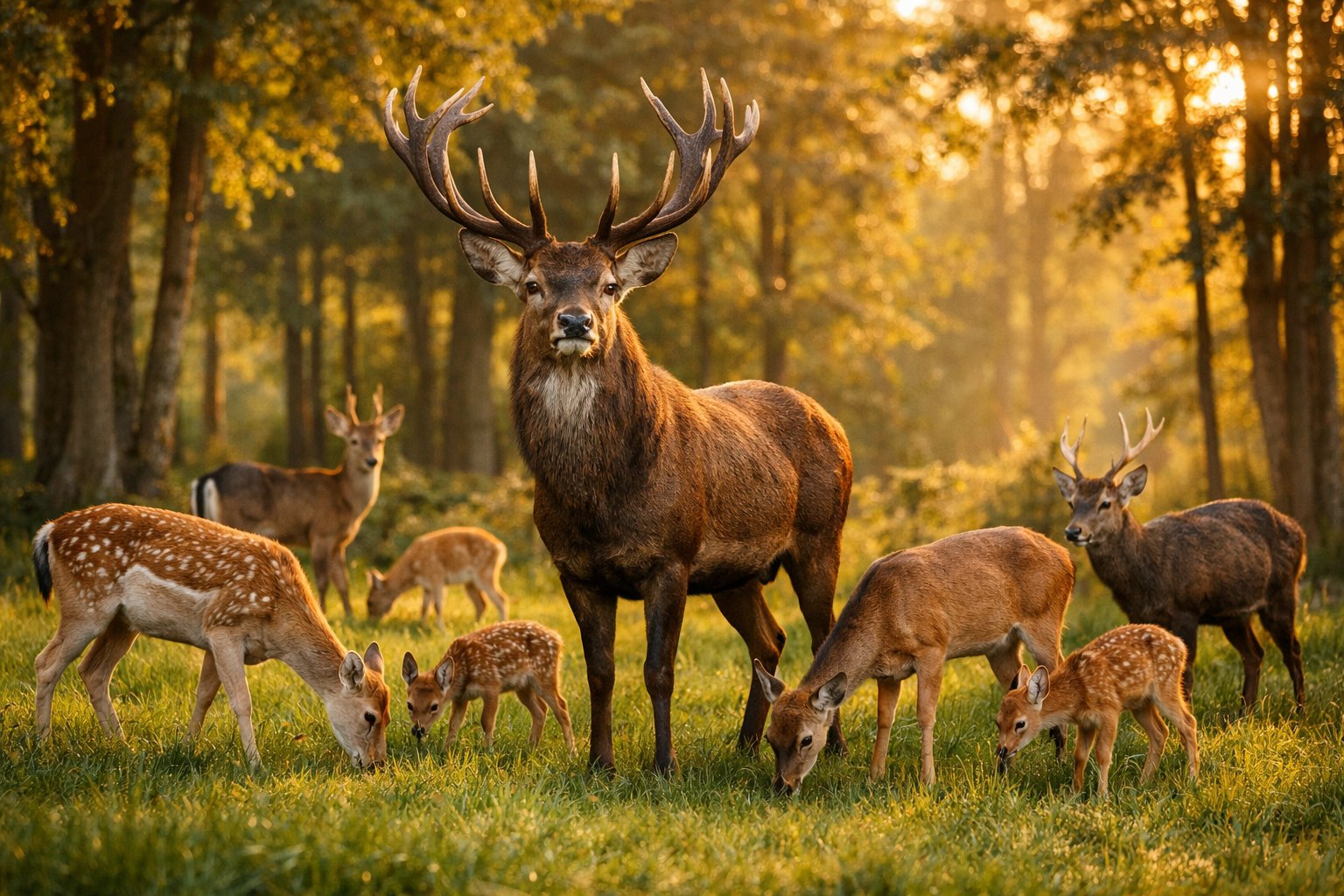
People use scientific labels, everyday names, and special terms for males, females, and young deer. You’ll also find regional and cultural names that reflect local language, hunting, and biology.
Scientific Names Versus Common Names
Scientists use binomial names to pin down each species. For example, they call the white-tailed deer Odocoileus virginianus and the red deer Cervus elaphus.
These names put deer in the family Cervidae, order Artiodactyla—so, basically, hoofed ruminants with two big and two small hooves.
Common names sound simpler and change depending on where you are. In North America, “moose” means Alces alces, but in Europe, folks call a similar animal “elk.”
Common names work when you’re chatting, but they can get confusing in science. When accuracy really matters—like in research, wildlife management, or legal stuff about hunting—it’s better to use scientific names.
Names for Male, Female, and Young Deer
Different terms mark a deer’s sex and age. People often call a male deer a stag, buck, or hart, depending on species and region.
Males usually grow antlers each year, which makes them easier to spot.
Female deer go by doe or hind. Most females don’t have big antlers, but a few species or populations might surprise you.
Young deer are called fawns or calves. Fawns are newborns or juveniles, usually with spotted fur.
Knowing these terms helps you follow behavior or hunting rules that apply to bucks, does, and fawns.
Regional and Cultural Names for Deer
Local languages and traditions add even more names to the mix. In some parts of North America, “elk” means wapiti (Cervus canadensis), but in the UK, “elk” used to mean moose.
Indigenous and rural communities use names tied to behavior, sound, or stories.
Hunters and farmers have their own lingo too: “stags” for big adult males, “does” for grown females, and “fawns” for young deer near the forest’s edge.
Cultural names can show respect, hint at food use, or nod to myth. When you’re reading or talking about deer, check the context—sometimes a name means species, sometimes sex or age, and sometimes it’s just a local thing.
If you’re curious, here’s a good overview of deer and their species at Britannica.
Major Types and Species of Deer Around the World
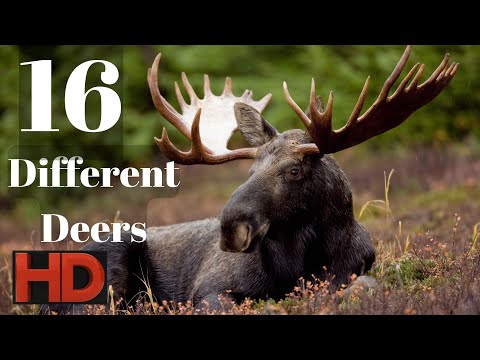
Deer belong to the family Cervidae. They come in all shapes and sizes, from the tiny pudu to the giant moose.
You’ll find all sorts of regional names for them, and knowing a few helps.
Key Deer Species and Their Names
In North America, you’ll probably run into the white-tailed deer (Odocoileus virginianus) and the mule deer (Odocoileus hemionus), which includes the black-tailed deer on the Pacific coast.
The big guys are moose (Alces alces) and elk—often called wapiti (Cervus canadensis) in North America. Meanwhile, red deer (Cervus elaphus) live across Europe and parts of Asia.
Arctic places have reindeer or caribou (Rangifer tarandus). In Asia, you’ll hear about sika deer (Cervus nippon), sambar (Rusa unicolor), and chital or axis deer (Axis axis).
Smaller species include the northern pudu (Pudu mephistopheles) and Asian muntjacs (barking deer). If you want to avoid confusion, stick with scientific names.
Subfamilies and Classification of Deer
Deer mainly split into two subfamilies: Capreolinae (New World deer and a few Old World species) and Cervinae (Old World deer and relatives).
Capreolinae covers white-tailed, mule, black-tailed, roe deer (Capreolus capreolus), and caribou.
Cervinae includes red deer, sika, elk/wapiti, fallow deer (Dama dama), and muntjacs.
Some lists add a smaller group called Hydropotinae, with the water deer (Hydropotes inermis)—they don’t have antlers but do have tusk-like canines.
This classification helps you spot patterns in antler style, teeth, and where they come from. Scientific names and subfamilies make things clearer when common names overlap.
Unique and Endangered Deer Species
Some deer really stand out for their rare or unusual traits. Take the tufted deer (Elaphodus cephalophus)—it sports a wild forehead tuft and those surprisingly big canines.
The Persian fallow deer (Dama mesopotamica) and brow-antlered deer (Eld’s deer, Cervus eldi) face serious threats. Conservationists actively work to protect them, but the situation still feels pretty fragile.
Marsh and swamp specialists, like the marsh deer (Blastocerus dichotomus), have these oversized hooves that help them move through wetlands. It’s kind of fascinating how nature adapts.
Island and small-range species—think Philippine spotted deer, Visayan spotted deer, javan rusa (Rusa timorensis), or key deer—usually have tiny populations. These deer often live in isolated areas, which makes their survival even trickier.
Many of these species show up on endangered or vulnerable lists. Regional names sometimes point to local subspecies, like rusa alfredi.
If you’re planning to hunt, do research, or even just travel, it’s worth double-checking which populations are protected. You really don’t want to get that wrong.


