
You’ll notice deer act in ways that seem to show feelings—fear, calm, care—but honestly, their emotions don’t map neatly onto human words. Deer show obvious signs of fear, bonding, and stress through their body language, sounds, and actions, so yes, you can watch them display emotions.
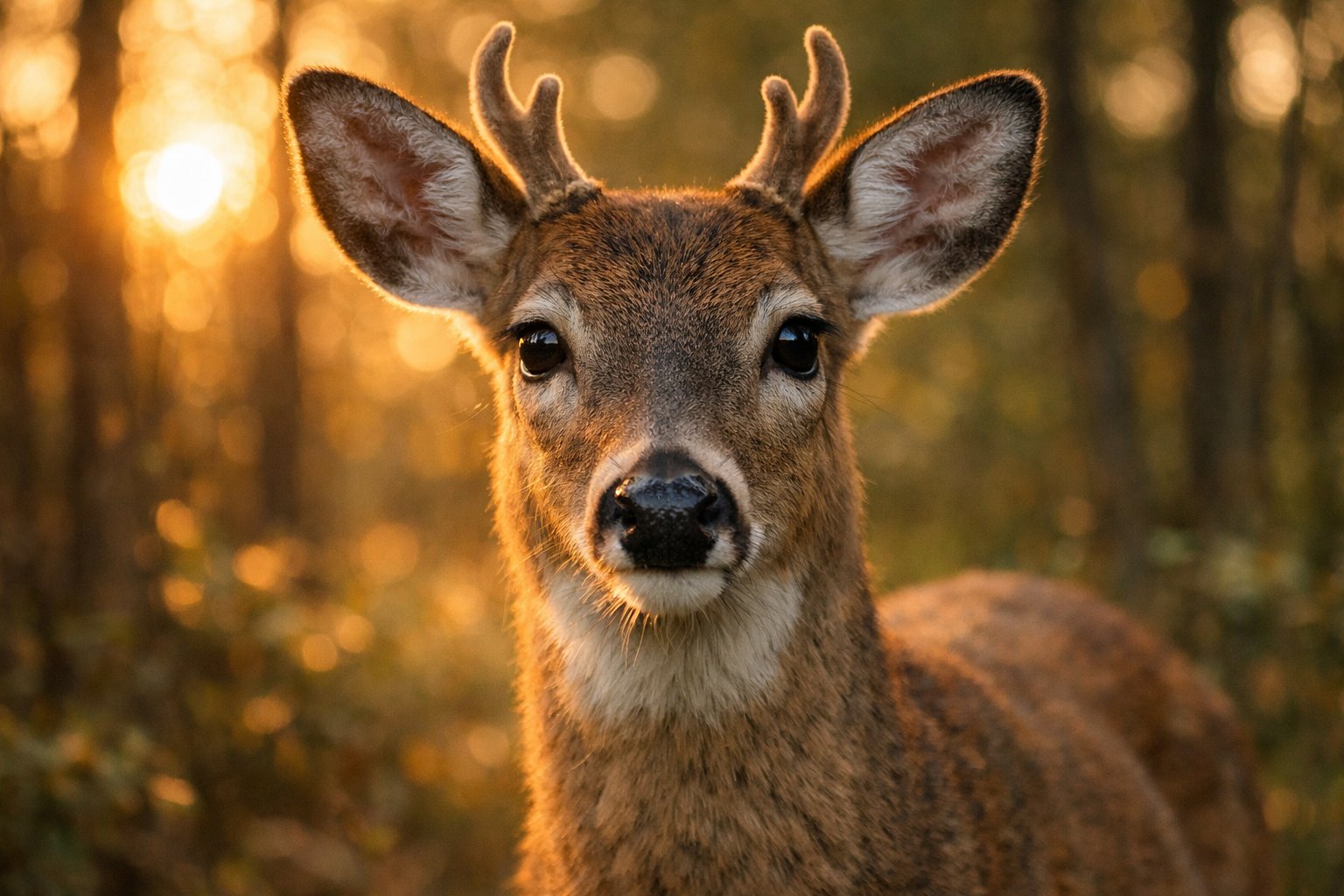
As you read on, you’ll see how deer use posture, vocal cues, and grooming to express mood and intent. I’ll also share what scientists and field folks have noticed about mothers and fawns after a loss, so you can weigh the evidence about mourning—without getting carried away.
How Deer Express Emotions

You can read a deer’s behavior and listen to their calls to get a sense of what they’re feeling. If you pay attention to their body signals and social play, you’ll pick up on their moods pretty quickly.
Understanding Deer Emotions and Cognitive Abilities
Deer have a limbic system, just like other mammals, which supports basic emotions like fear and care. White-tailed deer and sika deer, for example, learn from experience and remember safe routes, food spots, and even people who feed or threaten them.
This kind of memory helps them avoid danger and return to reliable places.
Mothers form strong bonds with their fawns. Does use scent and close contact to recognize their young.
These social ties show there’s more going on than just reflexes—they learn, remember, and make choices based on what’s happened before. Researchers still argue about how much deer emotions really match ours, but their cognitive skills clearly shape how they react to the world.
Body Language and Vocalizations in Deer
Watch their ears, tail, eyes, and stance to figure out a deer’s mood. A stiff, high tail and raised hair usually mean they’re alarmed.
When a deer stomps its foot, it warns others nearby—one stomp can turn into a quick dash if you stick around. Ears that flick and point toward a sound show focus, while flattened ears and a lowered head can mean aggression.
Deer vocalize, too. Fawns bleat when they’re distressed or hungry, and does call out to find their young.
Alarm snorts or grunts warn the group about danger. If you put together what you see and hear—a foot stomp and a snort, for instance—it usually means high alert. On the other hand, if you spot a deer grazing with its head down and ears loose, that’s calm.
Playful and Social Behaviors Among Deer
You’ll spot play in young deer when they chase each other, mock fight, or leap around for no obvious reason. Play helps fawns and yearlings build coordination and social bonds.
When two deer spar lightly with antlers, they’re often just testing each other’s strength, not actually fighting.
Grooming and grazing close together show they’re comfortable. Mutual licking or resting side by side helps keep family groups tight.
Social structure matters a lot. Does form nursery groups, and bucks may hang out in bachelor groups outside the rut.
These social behaviors shape how deer respond emotionally to loss, threats, or even just human presence.
Mourning and Grief in Deer

You’ll see clear signs that deer change their behavior after a death. Family ties play a big part in those reactions, and these behaviors actually matter for things like conservation and hunting rules.
Signs of Deer Mourning and Emotional Distress
Sometimes, a doe will linger near a dead fawn for hours or even come back to the spot over and over. You might notice her staying close, sniffing the body, making low calls, or eating less.
These actions look like distress, but they don’t prove deer feel grief the way people do.
Researchers and folks in the field have noticed deer change their movement and appetite after a loss. A deer that usually grazes during the day might hide or move less.
You might also see alert postures and a reluctance to rejoin the herd right away. These patterns come up again and again in field notes and wildlife blogs.
If you want to spot real mourning, look for repeated visits and changes in social behavior over several days—not just a one-time thing.
The Role of Social Structure and Family Bonds
Deer live in family groups, and mothers and fawns have the tightest bonds. You’ll see does protect and groom their fawns, which really builds attachment.
When a fawn dies, the mother’s behavior often shifts because that bond breaks so suddenly.
Social structure changes the response. Solitary adult males don’t usually linger the way does and family groups do.
Does in a small group might coordinate their vigilance differently after a loss, maybe changing when they feed or where they travel.
These group dynamics influence how long a deer shows behaviors that look like mourning.
Knowing about these family ties helps you interpret deer behavior in the wild. It also explains why some people report stronger emotional reactions from deer in stable groups than from those that wander alone.
Evolutionary Perspectives and Wildlife Management Considerations
Let’s look at mourning-like behaviors from two angles: evolution and management. From an evolutionary standpoint, when a deer sticks around a dead companion, it might be watching for predators or picking up clues about disease.
Hanging out near a carcass could warn others or point out dangers in the area. Even if it seems emotional, there’s a real survival edge here.
Wildlife managers and hunters actually need to notice these behaviors. Managers rely on changes in feeding or movement when they plan habitat restoration or set hunting seasons.
Hunters and landowners really should act ethically. For example, don’t stress does if you see fawns nearby, and always pay attention to local rules that protect vulnerable animals during fawning season.
If you manage land or hunt, you’ve got to think about how deer family structure shapes local populations and timing. That one step can make a big difference for healthier herds and shows respect for how these animals behave.


