
Most deer reach their full physical size somewhere between 3.5 and 6.5 years old. That depends a lot on species, sex, and what they’ve been eating. A whitetail buck usually gets to its adult body and pretty much maxes out on antler size around 4.5 to 5.5 years. Some females and well-fed bucks might look mature by about 3.5 years, though.

If you’re trying to judge a deer’s age in the wild, pay close attention to its body shape, neck, and antlers. In this post, I’ll break down how deer grow, what signs point to full maturity, and some easy ways to tell if the deer you see has finished growing.
When Is a Deer Fully Grown?
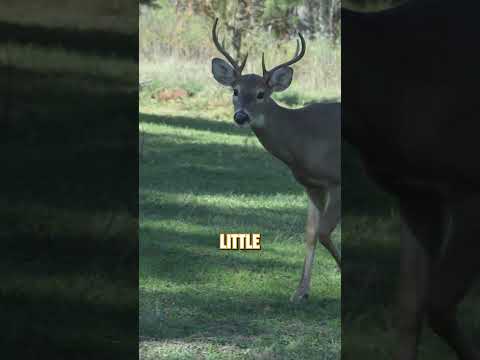
Deer hit full growth at different ages, mostly because of their sex, species, and diet. Their bodies usually finish growing before their antlers do—especially in males.
Teeth actually give you the clearest clue about a deer’s age.
Average Age of Full Maturity for Deer
Most deer get close to their full body size between 3 and 5 years old. By the time they’re 3, their long bones have mostly stopped growing.
You’ll notice yearling bucks (about 1.5 years old) still look lanky and haven’t filled out. Females usually reach reproductive maturity earlier; a lot of does breed at 1.5 years, but their bodies keep growing until about 3 or 4 years.
Antler growth in whitetail bucks keeps going even after their bodies stop growing. With good food, a 4.5 to 6.5-year-old whitetail buck often shows off his best antlers.
Deer in poor habitats might never reach their full genetic potential.
If you really want to know how old a deer is, check its teeth. Tooth patterns and wear are still the most reliable way to estimate age, especially if you’re managing deer or deciding which ones to harvest.
Differences Between Deer Species
Species play a big role in growth timelines. White-tailed deer usually finish growing by 3 to 5 years, but mule deer and bigger species take longer.
For example, mule deer might keep filling out after four years if they’re in good habitat.
Red deer and elk (which are much bigger) don’t reach full skeletal size until about 4 to 6 years old. Local climate and food matter a lot here.
In tough regions, deer grow slower. In rich farmland, they mature faster and usually have bigger antlers.
Genetics makes a difference too. Some whitetail herds naturally grow bigger antlers and mature faster.
If you’re managing deer or planning a hunt, compare your local deer to age charts for the best guess.
Physical Signs of Maturity
Look for a thick neck, deep chest, and a blocky body to spot mature adults. A fully mature buck will have a heavy neck and a rounded belly in the fall.
Yearlings look thinner, with a straight back and a skinny neck.
Antlers can hint at age, but they don’t tell the whole story. Even a 2.5-year-old buck might have big tines if he’s living in a great area.
To get a better idea, check the lower jaw. Milk premolars get replaced by 1.5 years. By 2.5 years, the third premolar is permanent.
By 4.5 to 6.5 years, you’ll see a lot of wear on the molars.
Behavior gives you more clues. Mature bucks tend to act dominant during the rut and stick to established home ranges.
If you watch deer across several seasons, you’ll start matching body shape, antler patterns, and behavior to estimate age—helpful for hunting or wildlife work.
How to Determine If a Deer Is Fully Grown

To figure out if a deer’s fully grown, look at its body shape, antlers, and teeth. Focus on the neck, belly, antler mass, and molar wear for the best estimate.
Body Characteristics and Size
Start by checking the deer’s proportions. A fully grown whitetail buck (around 4.5 to 6 years) has a deep chest, a low-hanging belly, and a heavy brisket that sometimes meets the belly line.
The neck is thick and muscular, especially during the rut. The legs seem shorter compared to the body.
Compare the shoulder and rump height. A straight back and a blocky, square rump usually mean the deer’s mature.
Tarsal gland staining and a swollen neck in fall also point to an older buck. If you use trail camera photos from year to year, you can spot these changes over time.
Antler Growth and Development
Antler size alone doesn’t prove a deer’s age, but mass and beam thickness help. By around 3.5 years, bucks start showing real tines and a wider spread.
By 4.5 to 5.5 years, most bucks hit 90–100% of their antler potential, with thicker beams and more mass.
Watch for consistent mass, wide spread, and heavy non-typical points on older bucks. Nutrition and genetics play a part, so always pair antler traits with body signs.
If antlers stop growing but the body keeps filling out, you’re probably looking at a deer that’s nearly done growing.
Aging Deer by Teeth and Tooth Wear
If you can, check the lower jaw molars. Tooth eruption patterns help early on—fawns (less than a year old) have fewer permanent molars.
By 1.5 years, all permanent cheek teeth are in. After that, wear patterns matter most.
Pay attention to the crests and how much dentine shows. At about 2.5 years, cusps have just a bit of wear.
By 3.5 to 4.5 years, dentine gets broader on the first molar and crests start flattening out. At 5.5 years and older, molars look really worn down and flat.
If you need a super precise age, labs like Matson’s Laboratory can count the growth rings in a tooth section.
Advanced Aging Methods
When visual cues aren’t clear, it’s time to break out the advanced tools. Cementum annuli analysis lets experts count the yearly growth rings in a deer’s tooth cementum, which nails down the animal’s age with impressive accuracy.
You just send a premolar or molar to a lab like Matson’s. They’ll handle the rest, and you’ll get results that matter for wildlife management or hunting records.
Mix up your techniques if you really want the truth. Try using trail-camera photo series, compare body and antler changes over the seasons, and check tooth wear.
Cementum annuli can back up your findings, especially if you’re managing a herd or chasing specific age classes in deer hunting. When you put these methods together, you’ll have the best shot at knowing if a deer’s hit full maturity.


