
Spotting a tiny deer in the grass really makes you wonder—what’s its name? Most people call a baby deer a fawn, but for some bigger deer species, you’ll hear calf, and every now and then, someone might say kid. Let’s dig into which word fits which species and why folks use different names.
You’ll find out how to tell a deer’s age and sex, what those spots really mean, and how mothers look after their little ones. Stick around to match the right name to the right deer, and maybe pick up a few surprising facts along the way.
Names for Baby Deer Across Species
Baby deer go by a few names, and it depends a lot on species, size, and sometimes local slang. Here’s what you’ll hear most often and when each one makes sense.
Fawn: The Most Common Name
People usually say “fawn” when they talk about young deer from small and medium species like white-tailed deer, mule deer, and roe deer. If you’re in North America or Europe, you’ll run into “fawn” all the time, whether you’re out hiking or just watching a nature show.
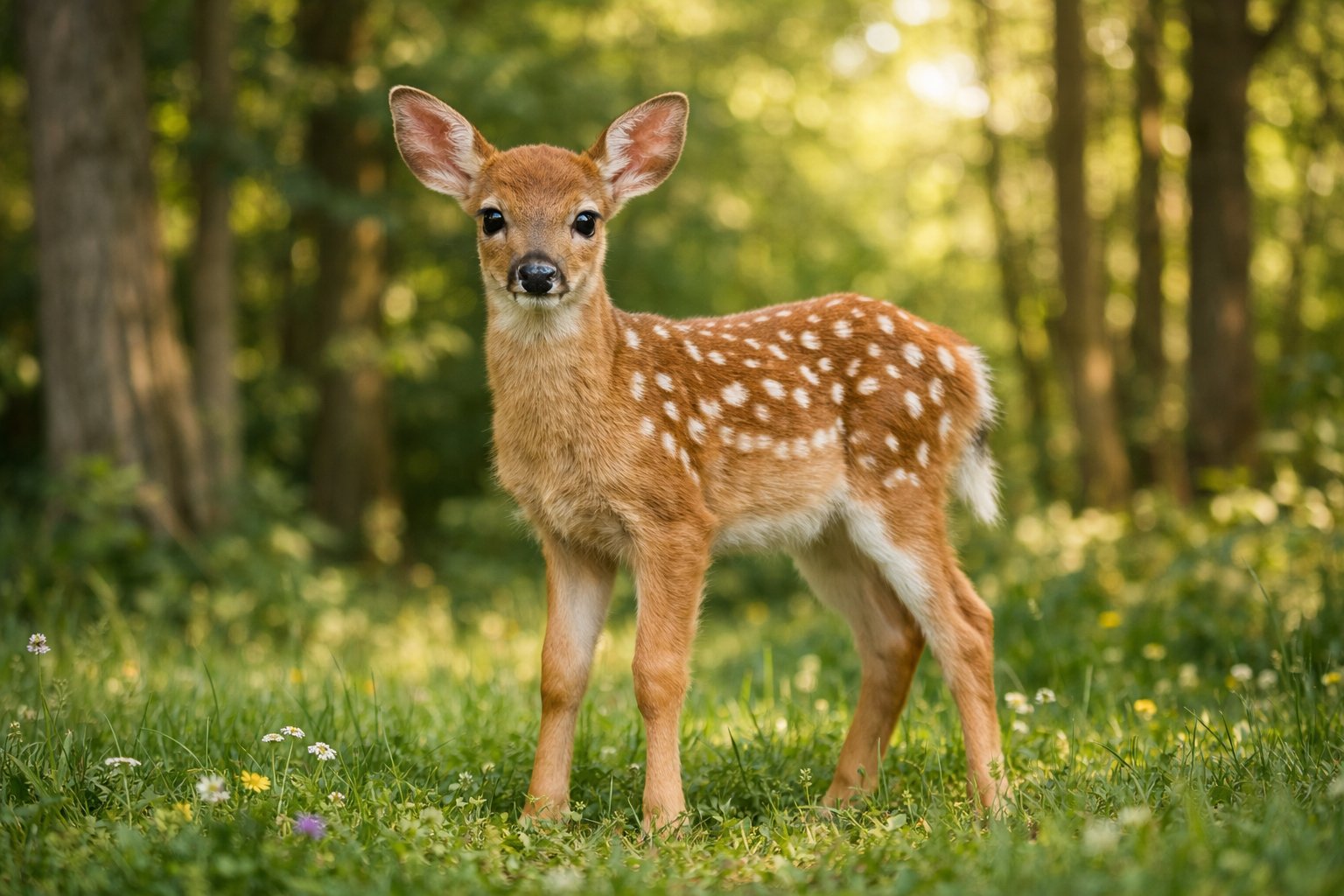
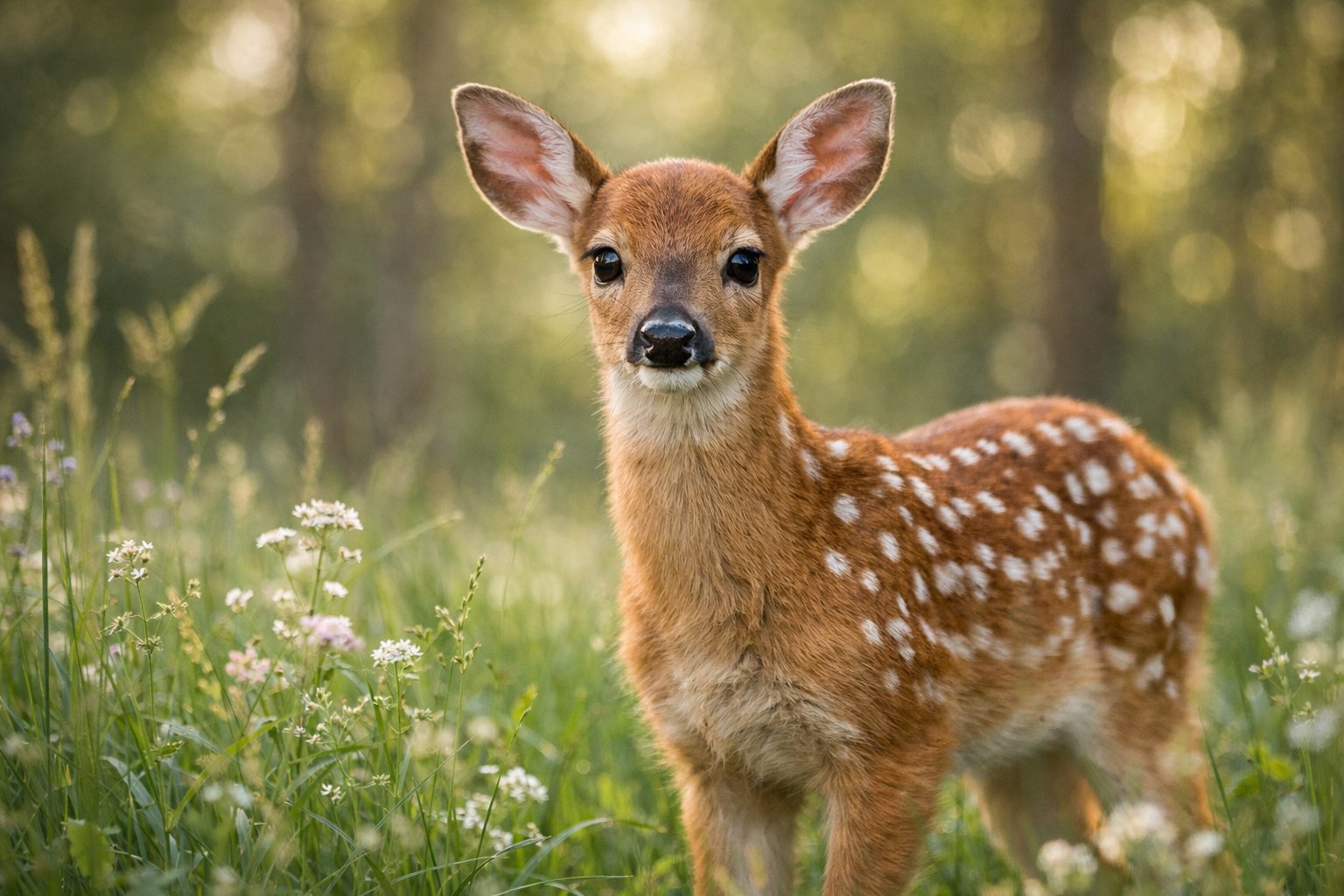
Fawns come into the world with white spots that help them blend into grass and brush. A white-tailed deer fawn weighs about 4–8 pounds (2–4 kg) at birth and spends a lot of time hiding while its mom grabs a snack nearby.
Wildlife guides and TV shows stick with “fawn” for young deer until they hit about a year old, or sometimes until they’re called yearlings.
Calf: Used for Larger Deer
If you’re looking at a bigger deer—think elk, moose, red deer, or reindeer (caribou)—the baby is called a calf. You’ll hear “calf” in places with moose or elk around, and park signs or rangers use this term too.
Calves start out much larger than fawns and usually don’t have those classic white spots. For instance, moose calves skip the spots and tip the scales way above a white-tailed fawn.
Scientists and wildlife managers use “calf” when they talk about these big deer, especially in reports or when counting populations.
Kid: Less Common Term
Sometimes, people call a baby deer a kid, borrowing the word from goats. It pops up in casual conversations or certain regions, but you won’t see it in field guides or science books.
“Kid” can get confusing since goats have kids too, and it doesn’t tell you anything about the deer’s size or species. If you want to be clear, stick with “fawn” for smaller deer and “calf” for the big ones.
Still, don’t be surprised if you hear “kid” in everyday talk, especially where folks use a lot of hunting or farming lingo.
Regional and Linguistic Variations
Language definitely shapes what people call a baby deer. In Britain and parts of Europe, “hind” refers to adult females in some species, and old hunting terms or folklore might use other names for the young.
Some languages have words for baby deer that don’t really match up with “fawn” or “calf.” North American guides almost always say “fawn” for white-tailed and mule deer, but guides about red deer or elk use “calf.”
If you’re reading a local field guide or checking out park signs, make sure your word matches the species they mention. That way, you’ll sound like you know your stuff—whether you’re talking about a white-tailed deer fawn or a red deer calf.
Characteristics and Early Life of Young Deer

Young deer start out with some pretty handy traits that help them make it in the wild. You’ll see what those spots do, how newborns act, and how mothers keep them safe.
Spotted Coat and Camouflage
Most fawns show up with reddish-brown fur and white spots. Those spots break up their shape, making them tough to spot in dappled sunlight or leafy ground.
This camouflage works best in the first few weeks, when predators look for easy, still targets. As the fawn grows, the spots fade away—usually by three or four months.
Bigger deer species call their babies calves, but the idea behind camouflage sticks with all young deer, no matter the name.
Behaviors of Newborn Fawns
Right after birth, a fawn can stand and walk within an hour. When danger’s close, it freezes and stays super still—that way, predators have a harder time finding it.
Mothers hide their fawns alone for hours during the day. Early on, you probably won’t see a fawn wandering around, since does leave them tucked into bushes and only come back to nurse.
By two weeks, fawns start nibbling on plants. By ten to twelve weeks, they eat more solid food and get a little braver.
Mother-Young Relationship
Does really bond with their fawns. You’ll notice moms use soft calls and scent to keep track of their babies and guide them around.
Bucks and other adult males don’t help raise fawns. Female deer—does or hinds—handle all the care.
A mother visits to nurse several times a day and will defend her fawn if something threatens it. She actually visits less often as time goes on, to keep predators from catching on.
Some fawns stick close to their moms for up to a year, learning how to join the herd and follow the adult deer’s seasonal moves.
Growth Milestones and Development
Fawns grow fast. In those first weeks, you’ll notice they pack on weight quickly, starting out just a few pounds at birth and bulking up by autumn.
By the time a fawn hits about one year old, it usually becomes a yearling and starts to look a lot more like an adult deer.
Male deer—people call them bucks or stags—start growing their first antlers in that first year. At this stage, it’s usually just small spikes poking out.
Female deer, also known as does, hinds, or cows, never grow antlers. That’s just how it is.
When fawns join the herd, they pick up grazing skills. They also learn how to spot predators and read social signals from the older deer.
If deer have plenty of food and don’t face too many predators, the young ones tend to grow up healthier and faster.


