
Ever spotted a tiny deer and wondered if it’s just small, or if something else is going on? Deer can actually have true dwarfism—a genetic condition that stunts their bone growth and changes their body shape. It’s rare, but it happens.
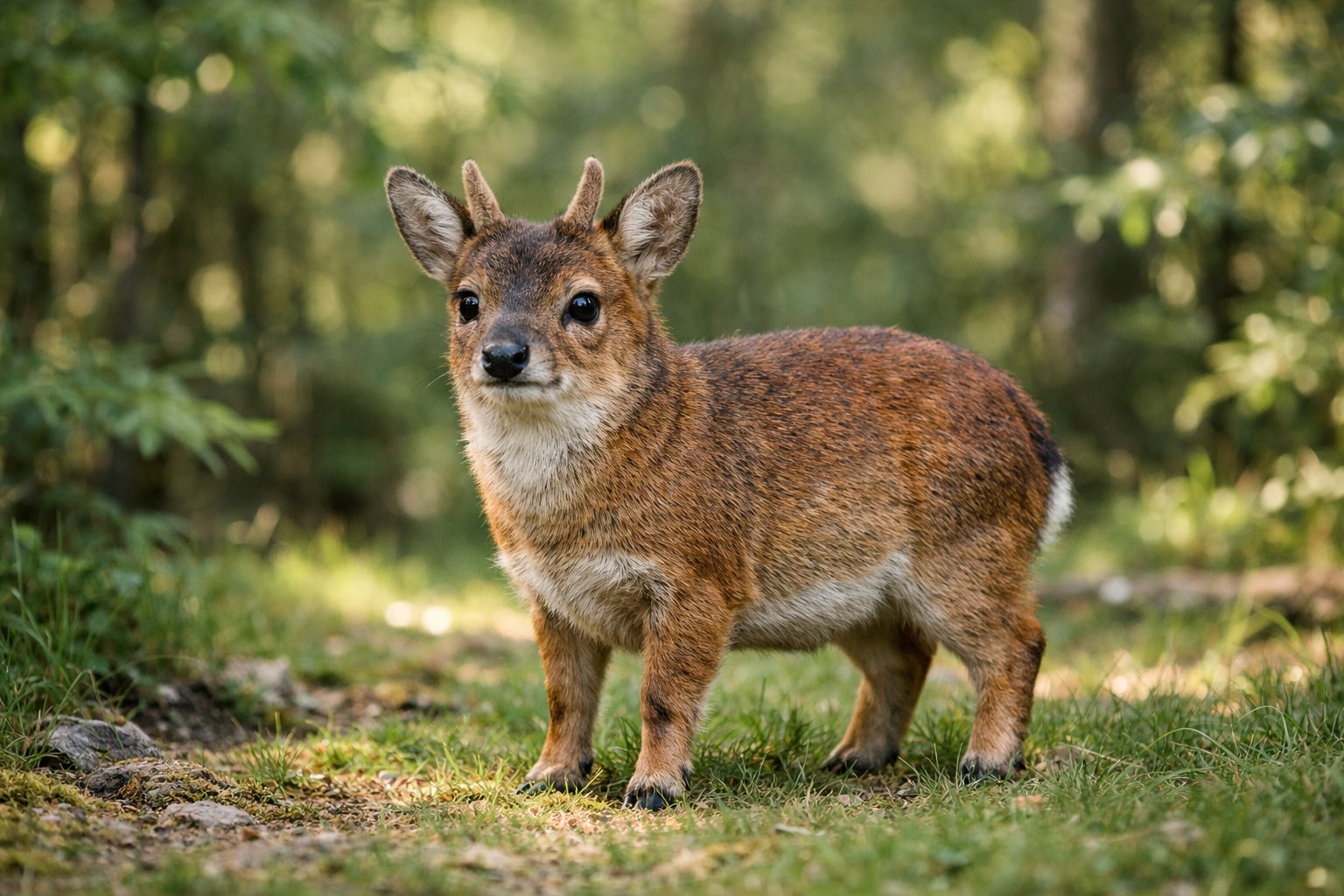
Let’s get into what causes dwarf traits, how you can spot them, and when a small deer is just… well, small—maybe from poor nutrition or growing up on an isolated island. I’ll give you some clear examples so you can figure out if you’re seeing a genetic dwarf or just a little scruffy deer.
Dwarfism in Deer: Causes, Traits, and Genetics

Genetic changes cause dwarfism in deer. These changes mess with bone growth and body proportions.
Let’s look at what dwarfism actually looks like, which genes or breeding patterns cause it, and the usual physical signs. I’ll also touch on how often you might see it in wild or island deer.
What Is Dwarfism in Deer?
Dwarfism is a genetic thing that makes an adult deer way smaller than you’d expect for its species. In white-tailed deer (Odocoileus virginianus) and other cervids, mutations can mess with bone or cartilage growth. Sometimes you’ll see a grown deer whose legs look like a fawn’s.
True dwarfism isn’t just the same as stunted growth from bad nutrition. If a deer just eats poorly, it might be small, but the body stays in proportion. Dwarfism usually comes from recessive genes—so two normal-looking parents can have a dwarf fawn if they both carry the gene.
Genetic Mutations and Disorders
Recessive genetic mutations often cause dwarfism by messing with growth plates or cartilage. Carriers (heterozygotes) look totally normal but can pass the gene to their young.
When two carriers mate, about a quarter of their fawns might show the dwarf traits if it’s a simple recessive gene. In small or isolated deer populations, carriers are more likely to meet and breed. Island herds or inbred groups show this pattern a lot, and both genetics and nutrition can play a part in making bodies smaller.
Genetic disorders that affect the skeleton can hit hard or just a little. Some dwarf deer have mildly short legs, while others end up with pretty severe deformities.
Physical Characteristics and Phenotype
Dwarf deer stand out with short legs, a big-looking head, and sometimes a chunky body. Male antlers can be tiny or oddly shaped since the skull and pedicles don’t grow like normal.
You might notice bowed legs or a strange way of walking. Some even have curved spines. These issues make it tough to move around and easier for predators to catch them.
Malformed joints can cause chronic pain, and weird posture can wear their teeth down. In white-tailed deer, people have found dwarfs with normal torsos but very short legs and odd antlers.
How Common Are Dwarf Deer?
Dwarfism in deer doesn’t pop up often, but people have seen it in species like white-tailed and mule deer. It’s tricky to say exactly how often because these deer often don’t live long or they stay out of sight.
Sightings seem to cluster in isolated places—like islands or small patches of habitat—where inbreeding makes recessive genes more likely to show up. Insular dwarfism can evolve over generations because of limited food and slow growth, not just from a single gene. On the mainland, though, you’ll hardly ever see it.
If you ever spot a dwarf deer, it’s actually helpful to report it to local wildlife folks. That way, they can track how often this happens.
Types and Examples of Dwarfism in Deer Populations

Deer can end up small in lots of different ways. Sometimes it’s genetics, sometimes it’s from evolving on an island, and sometimes you’ll see it along with weird coat colors.
Proportionate Versus Disproportionate Dwarfism
With proportionate dwarfism, the deer is small all over but keeps a normal body shape. You might spot a grown white-tailed deer that’s just compact, with a regular head and body, just… smaller. That usually comes from genes that slow down growth or mess with growth hormone.
If you see a tiny but well-balanced adult, you’re probably looking at proportionate dwarfism.
Disproportionate dwarfism is different—the limbs or body are out of whack. Maybe the deer has really short lower legs or a thick body with bowed legs. That usually means trouble with bone or cartilage development.
These deer might walk funny and can get joint pain. Biologists say you really need to check the animal or its bones to know for sure what’s going on.
Insular Dwarfism and Key Deer
Insular dwarfism is what happens when a whole population of deer shrinks over generations, usually on islands with not much food. The Key deer down in the Florida Keys are a perfect example. They’re white-tailed deer, but they’ve evolved to be much smaller than their mainland cousins so they can survive on less.
This kind of dwarfism isn’t a birth defect in one animal—it’s a population-wide thing. Insular dwarfism links to slower growth and earlier maturity. Studies on island deer show that both genes and life history changes keep the whole group small, not just one or two individuals.
Piebald, Albino, and Melanistic Deer with Dwarfism
Piebald, albino, and melanistic deer all describe coat-color variants. These aren’t size issues, but sometimes, they show up with dwarf traits.
You might spot a piebald or albino whitetail that’s unusually small. Sometimes a genetic mutation messes with both pigment and growth, so you get both at once. It’s rare, but wildlife reports have documented it.
If you ever see one, take a look at its gait and limb proportions, not just the coat. When pigment mutations show up with size differences, it usually hints at complicated genetic changes.
Photos and reports you send to local wildlife agencies actually help researchers keep tabs on these odd combos in whitetail populations.


