
When you picture something hunting deer, wolves or maybe mountain lions probably jump to mind first. Large carnivores like wolves and cougars usually top the list as the main predators of adult deer in many areas, regularly taking down their prey, but honestly, humans end up killing the most deer overall through hunting.
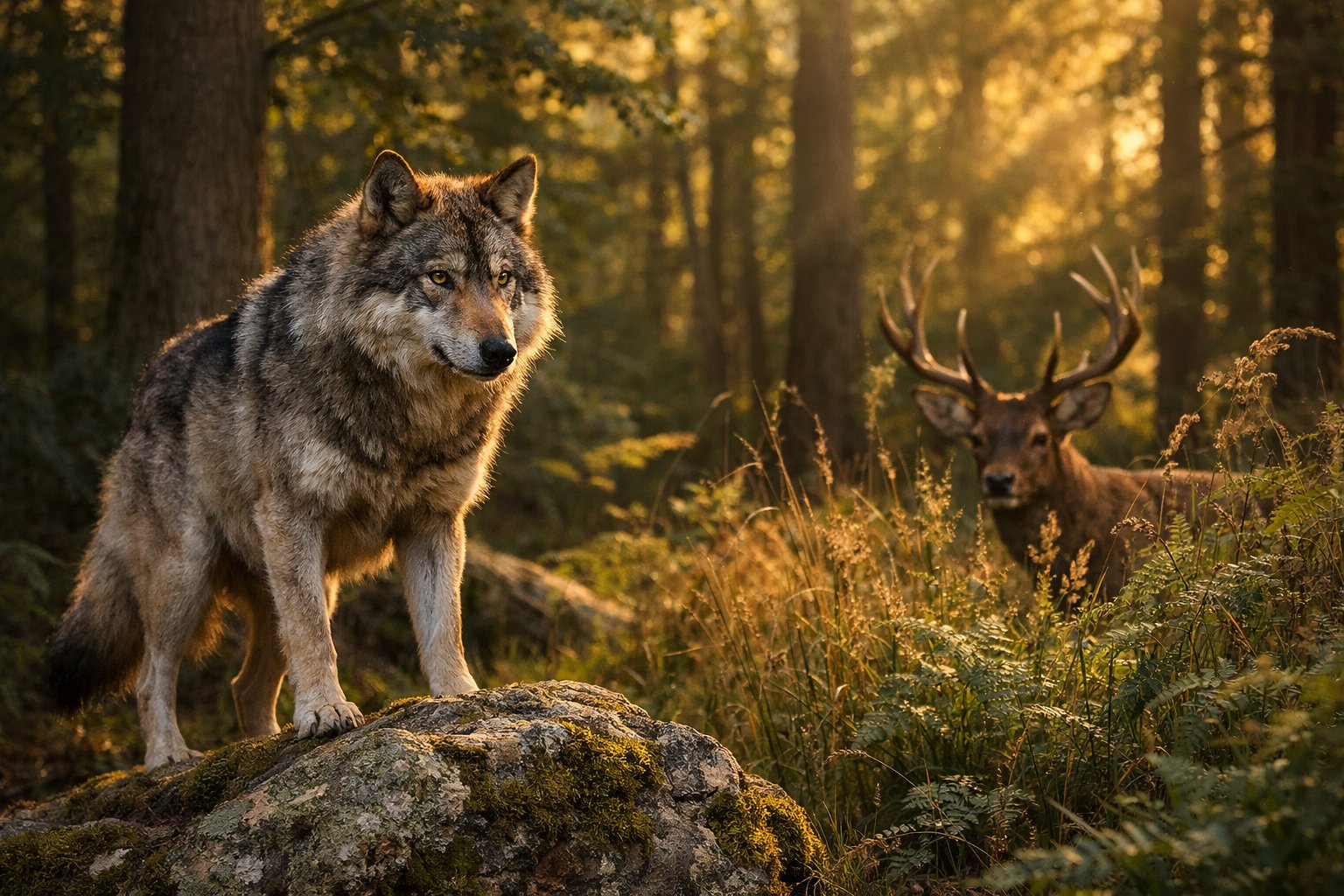
Pack hunters, solitary ambush predators, and even some opportunists all play a part in shaping deer numbers and behavior. Some predators focus on fawns, others go after adults, and it’s the mix that keeps deer populations in check and, weirdly, healthier.
Curious how wolves, cougars, coyotes, bears, and a few oddball hunters fit into the story? Let’s get into it.
Top Predators of Deer: Who Hunts Deer the Most?
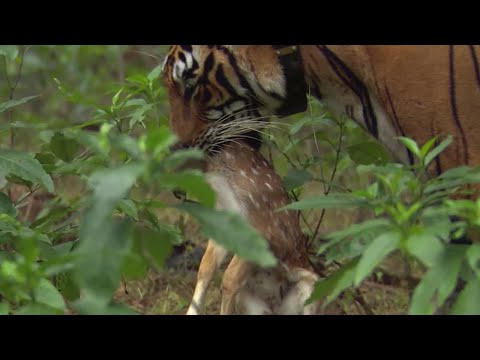
Different hunters constantly pressure deer and shape where they live and how many make it. Some predators go after fawns, others after adults, but one stands out as the biggest cause of deer deaths.
Gray Wolves: Apex Deer Hunters
Gray wolves (Canis lupus) hunt in packs, working together to single out and wear down a deer. Wolves usually target the old, sick, or young first. Packs rely on tracking, teamwork, and long chases. That’s why, when wolves stick around, they can really reduce local deer numbers.
Wolves don’t just lower deer populations—they change how deer act. Deer start avoiding open spots and shift their feeding times to dodge wolf encounters. In places where wolves came back, you might notice fewer deer in willow and aspen stands. That shift helps plants recover and even shapes the lives of other animals.
Humans as Leading Deer Predators
Humans actually hunt more deer than any wild predator. In North America, regulated hunting by people removes millions of white-tailed deer each year. The way you set harvest limits, seasons, and hunting areas directly controls deer population size and age structure.
Human hunting usually targets adult males and females. Sometimes, if people control predators, more fawns survive because there’s less competition. Hunting provides meat and also funds wildlife management through license fees. Your choices—how many deer to take, how you manage their habitat—shape deer numbers more than anything else.
Coyotes and Their Impact on Fawns
Coyotes (Canis latrans) don’t usually bother with healthy adult deer, but they’re a huge problem for fawns. Coyotes get especially active in spring and early summer, right when fawns are bedded down and easy to catch. Whether alone or in small packs, they use stealth and quick bursts of speed to nab unattended fawns.
Research shows coyotes can really slash local fawn survival rates. Coyotes thrive near suburbs and farms, so deer face more pressure where there’s less cover. If you want to help fawns, managing land for thicker cover can make a surprising difference.
Mountain Lions and Solitary Predation
Mountain lions (Puma concolor) hunt alone and use ambush tactics to take down adult deer in western North America. You’ll usually find them waiting near trails or feeding spots, then pouncing at the last second. One mountain lion can kill dozens of deer each year in its territory.
Since mountain lions hunt solo, they impact deer differently than pack hunters. They often take strong adults and help keep numbers in check, especially in rugged places. If you notice big scrapes, drag marks, or hidden carcasses, there’s a good chance a mountain lion’s nearby.
Other Important Deer Predators and Their Roles

Other predators affect deer survival by targeting different ages and using all sorts of hunting tricks. Some go after fawns or sick adults, while others can handle full-grown deer depending on their size and strength.
Bears: Black Bears, Grizzlies, and Brown Bears
Bears—black bears and brown bears like grizzlies (Ursus arctos horribilis)—act mostly as opportunists. You’ll see them snatch fawns in spring or scavenge carcasses of adults. Bears eat just about everything: plants, insects, fish, and, sometimes, deer.
In thick forests or along rivers, black bears might climb or ambush young deer. Grizzlies can overpower bigger game like elk or even moose, especially if the animal’s already weak. Bears often stash their kills and come back for days, which shakes up the scavenger scene.
If you manage land, expect bear predation to swing with food supplies. In bad berry years, bears go after more fawns. Where bears get into human food, their habits shift and they might not hunt deer as much.
Bobcats, Lynxes, and Smaller Predators
Bobcats and lynxes (like the bobcat, Lynx rufus) use stealth and ambush to catch fawns or smaller adults. You’ll often spot them in shrublands, mixed woods, or on the edges where deer feed. These cats are patient—waiting in cover, then sprinting for a quick attack.
Smaller predators like foxes and coyotes also hunt fawns, mostly at dawn or dusk. Coyotes, whether alone or paired up, can have a bigger impact on fawn survival than single small cats, especially in open or patchy habitats.
These smaller predators rarely bring down a healthy adult deer or moose, but they definitely affect how many fawns make it. Over time, that shapes deer numbers and even how deer behave.
Alligators and Opportunistic Hunters
In the Southeast U.S., American alligators often grab deer that wander into water to drink or cross swamps. You’ll spot alligators waiting quietly along riverbanks and marsh edges, ready to ambush.
They don’t waste energy chasing; instead, they use their strength to pull even big deer underwater. It’s honestly impressive—and a little terrifying—how quickly they can disappear with their prey.
Other opportunistic hunters show up too. Large raptors and scavengers sometimes target fawns or sickly adults.
When a deer carcass turns up, vultures, bald eagles, and carrion beetles move in fast. They break down the remains, cycling nutrients and helping keep disease in check.
If your property sits next to wetlands or slow-moving rivers, you’ll probably deal with alligators preying on deer. In drier, inland spots, though, that risk drops off and land-based scavengers become the main concern.


