
Ever spotted a deer in the woods, a park, or maybe just wandering through your neighborhood? It’s natural to wonder where they fit in the animal kingdom.
Yep — deer are mammals. They’ve got fur, they breathe air, and they nurse their young. That puts them squarely with other mammals. Honestly, knowing that explains a lot about how they move, live, and survive.
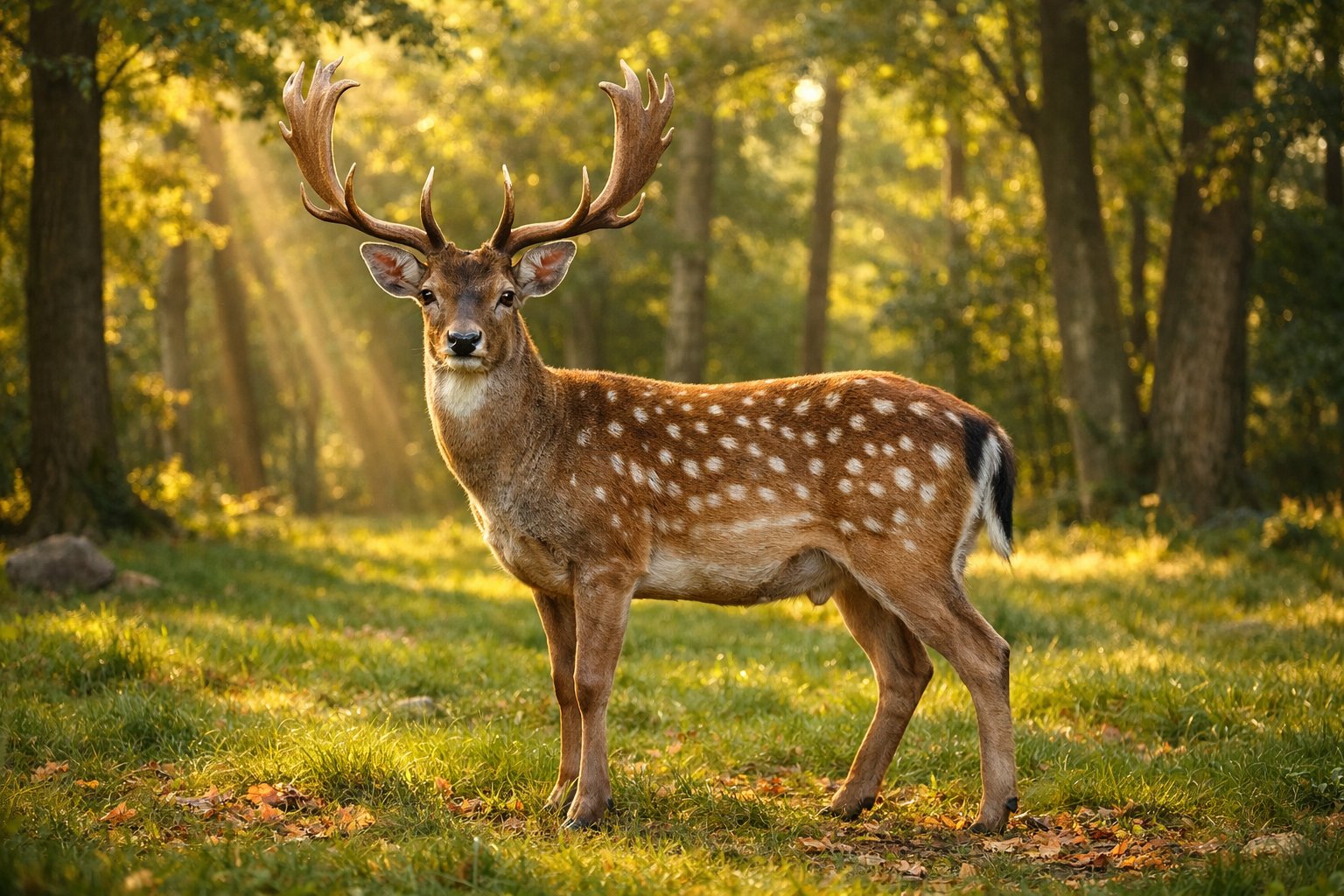
Let’s dig into why mammal traits matter for deer. Different deer species show these traits in their own quirky ways, and some deer really stand out.
Why Deer Are Mammals
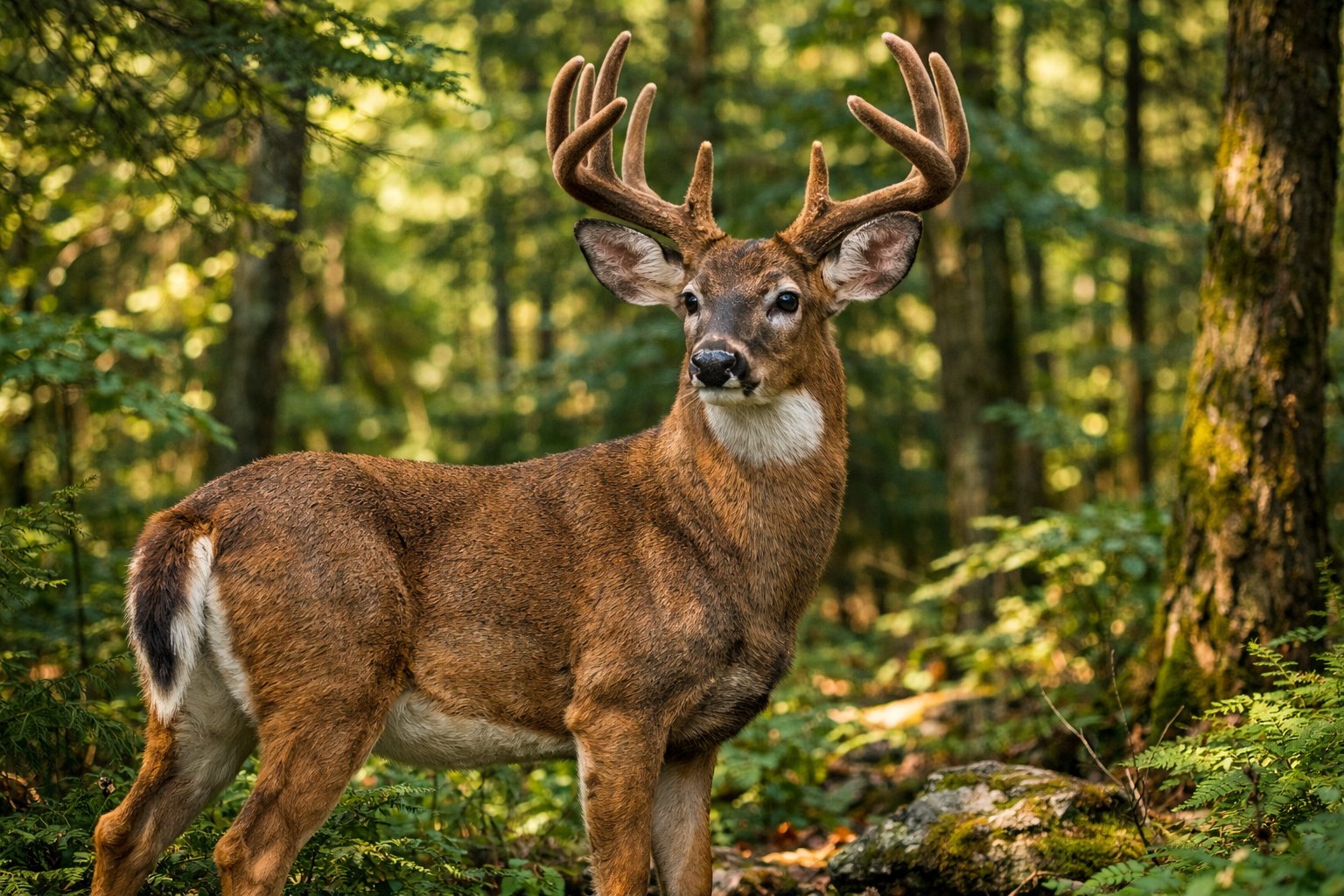
Deer have key traits that put them firmly in the mammal group. You can spot this in their fur, the way mothers feed their young, and how scientists classify them.
Defining Mammalian Characteristics
Mammals share some pretty clear features. You’ll notice hair or fur, a warm-blooded metabolism, and a four-chambered heart. Female mammals nurse their young with mammary glands.
They’ve also got three middle ear bones and a neocortex, which help with hearing and complex behaviors. These traits pop up in all sorts of mammals you know.
That’s what sets them apart from birds, reptiles, and fish. If you check for these features, you’ll know if an animal belongs to Mammalia.
Mammalian Traits Displayed by Deer
Deer check all the mammal boxes. Their bodies have fur that keeps them warm. Female deer (does) make milk for their fawns after birth.
Both bucks and does have the same heart and ear structures as other mammals. Deer eat plants and they’re ruminants, so they chew cud in a multi-chambered stomach.
Their hooves and even-toed feet put them in the Artiodactyla group. You’ll see them walking on their third and fourth toes. These details just make deer classic mammals, really.
Mammalia Classification and the Cervidae Family
Scientists put deer in the class Mammalia and the order Artiodactyla — those are the even-toed ungulates. Within that group, deer belong to the Cervidae family.
That family includes white-tailed deer, mule deer, elk (wapiti), moose, and reindeer (caribou). You can usually spot a member of Cervidae by antlers on most males, and in one case, females.
Family traits show up in how bucks use antlers for mating displays and how does raise fawns. They all share ruminant digestion, too. If you want to dive deeper, check out Deer | Nature | PBS (https://www.pbs.org/wnet/nature/group/mammals/deer-mammals/).
Deer Species and Their Unique Features

Deer come in all shapes and sizes. They differ in antler style, where they live, and how they behave.
You’ll find out which types grow antlers, which prefer forests or tundra, and how their traits help them survive.
Overview of Deer Diversity and Subfamilies
Deer belong to the family Cervidae. There are two main subfamilies: Capreolinae (New World deer like white-tailed deer, mule deer, and moose) and Cervinae (Old World deer like red deer, sika deer, and elk/wapiti).
Some small Asian species, such as muntjacs and tufted deer, fall in Cervinae. Pudu and brocket deer sit in Capreolinae.
Species range from tiny pudús that weigh less than 15 kg to moose (Alces) tipping the scales at over 500 kg. Reindeer (Rangifer) are pretty unique since both sexes grow antlers, and people have domesticated them.
Water deer and musk deer are so different that scientists sometimes put them outside Cervidae or in their own families. So, it’s worth checking the classification if you’re curious about a particular species.
Antlers, Velvet, and Other Distinctive Traits
Most male deer grow new antlers every year. Female reindeer break the mold and grow them too.
Antlers are made of bone and start out covered in a soft, blood-rich tissue called velvet. Velvet feeds the growing antlers, then sheds when they’re done.
Antler shapes vary a lot — branched racks in white-tailed deer and red deer, huge palmate antlers in moose, and simple spikes in some species.
A few species, like water deer and musk deer, have tusks instead of big antlers. Fawns come with spotted coats for camouflage.
You might notice differences in skull shape, leg length, or tail, all of which help them eat or dodge predators. Antler size depends on age, nutrition, and how successful a buck is during rut.
Habitats and Global Distribution
Deer live in forests, grasslands, mountains, tundra, and wetlands. You’ll find them on every continent except Australia and Antarctica.
White-tailed deer and mule deer roam all over North America. Elk or wapiti (Cervus) wander plains and mountain valleys in North America and parts of Asia.
Moose (Alces) like boreal forests and wetlands across northern North America and Eurasia. Tropical deer such as chital, sambar, barasingha, and brockets stick to South and Southeast Asian forests.
Small species like pudu and brocket deer hide out in dense South American forests. People have brought some deer species to Australia and New Zealand, which has shaken up local ecosystems.
When species share the same area, they usually pick different microhabitats to avoid competing with each other.
Behavioral and Ecological Adaptations
Deer live in all sorts of social setups, from being alone to hanging out in big herds. White-tailed deer usually stick with their small family groups.
Elk, on the other hand, gather in large herds that move with the seasons. You’ll notice their herds shifting as they migrate.
Reproductive timing really revolves around the rut. Males compete—sometimes pretty aggressively—with their antlers and loud calls.
Fawning happens when plants are growing the fastest, giving mothers plenty of food while they nurse.
Most deer munch on leaves, grasses, and shoots. Moose, though, seem to prefer aquatic plants and willow, which is kind of fascinating.
Some species even switch to eating lichens when winter rolls around. It’s a tough time, so they adapt however they can.
Wolves, big cats, and humans all hunt deer. To survive, deer rely on camouflage, speed, and sticking together in groups.
Deer shape the landscape by changing which plants grow where. They also keep predator populations going by serving as prey.
But honestly, when deer numbers get too high, forests can struggle to regenerate and biodiversity can take a hit.
If you want to dig deeper, check out resources on specific species and their life histories. You’ll find details on antler growth, where subspecies live, and how conservation status varies.


