
Ever felt a bit uneasy seeing a deer near your garden or while out on a country walk? Most deer in the UK just want to avoid people and, honestly, they rarely act aggressive. Still, there are certain times and places when deer can get dangerous.
Keep your distance during the rut and if you see fawns around—those are the moments when things can get a bit risky.

Let’s dig into why deer usually keep their distance, how their growing numbers and shifting habitats bring them closer to us, and what you can actually do to stay safe (and protect your garden, if that’s your thing).
Looking for practical tips and warning signs? Stick around—the next sections will break down when you should worry and when you really don’t need to.
Are Deer Aggressive in the UK?
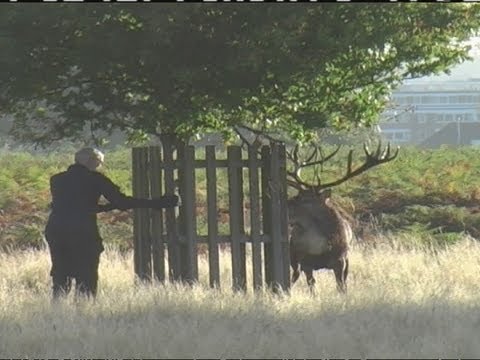
Most deer in the UK steer clear of people, but in certain situations, they can get aggressive.
It helps to know when deer feel stressed, territorial, or protective of their young so you can keep your distance.
Typical Deer Behaviour Across Species
The UK has a few deer species—red, roe, fallow, sika, muntjac, and water deer.
They mostly choose to run off when they spot humans.
Usually, you’ll see them grazing quietly, hanging out in small groups or alone, always alert with their sharp hearing and sense of smell.
Male deer (stags) grow antlers and use them to fight rivals, while females (hinds and does) focus on looking after calves.
Muntjac are small and pretty territorial; they might freeze or even bark if they feel threatened.
Roe deer tend to be solitary and a bit jumpy.
Honestly, you’re much more likely to see a deer munching grass or bounding away than acting aggressive.
When and Why Aggressive Incidents Occur
Aggression doesn’t come out of nowhere.
It usually happens if a deer is defending a calf, feels cornered, gets provoked, or reacts to a dog.
If a hind has a fawn nearby, she might bluff-charge just to scare you off.
A deer that feels trapped by people, fences, or steep slopes might lash out to defend itself.
A lot of accidents happen when people get too close, try to feed deer, or surround them with cameras.
Deer-vehicle collisions are also a real risk—both for humans and the deer—so it’s worth driving carefully at dawn and dusk on country roads.
The Rutting Season and Stag Behaviour
Autumn is rutting season for red and fallow deer, though the timing depends on species and where you are.
During the rut, stags get loud, fight, and their testosterone levels spike.
Expect them to act bolder, run away less, and defend their territory more aggressively.
They’ll charge at rivals and sometimes even lunge at people who get too close.
Places like Richmond Park, where there are lots of red deer, see more close calls during the rut.
It’s best to keep your distance, maybe bring binoculars, and definitely never walk between a stag and his group.
Human and Dog Encounters With Deer
Walking with a dog?
Keep it on a short lead in deer areas, and try to avoid rutting season or calving time in spring.
Dogs can set off a deer’s defensive side; sometimes deer will attack dogs, or a dog might scare a mother into abandoning her fawn.
If a deer comes toward you, try to stay calm, back away slowly, and put something big between you and the animal if you can.
Don’t run—it might just make things worse.
If you hit a deer with your car, pull over safely and let local authorities know; don’t try to move an injured deer yourself.
Deer Populations, Habitats, and Impact on the UK

Deer numbers depend on the species and where you are in the UK.
They shape woodlands, affect farmland, and even impact road safety.
You’ll see where different deer live, how their numbers have changed, and what that means for local plants, birds, and the landscape around you.
UK Deer Species and Distribution
Britain has six main deer species: red, roe, fallow, sika, Reeves’ muntjac, and Chinese water deer.
Red and roe are native and you’ll find them across Scotland, Wales, and parts of England.
Fallow and sika often stick to estates and parkland.
Reeves’ muntjac and Chinese water deer now show up all over lowland England and some wooded suburbs.
You might spot roe deer near hedgerows and young woods.
Muntjac like thick scrub and even gardens, since they’re good at hiding.
Chinese water deer prefer wetter spots and riversides.
The British Deer Society keeps track of where they live and offers local advice and maps if you want to know more.
Deer Population Growth and Human-Wildlife Interactions
Deer numbers have gone up in a lot of places—some reports say there could be up to two million now.
Why? Legal protection, milder winters, more woodland, and not many big predators left.
You might run into deer on roads, in parks, or near farms.
That means more road accidents and sometimes crop damage.
Farmers and land managers try to handle this with things like licensed culls, fencing, or controlled stalking.
If you live in towns or suburbs, those deer sightings mean you should watch out and drive carefully, especially around dawn and dusk.
Biodiversity, Overgrazing, and Ecological Balance
When deer populations get out of hand, they strip understorey plants and stop young trees from growing.
Overgrazing knocks back plant diversity and hurts species that rely on shrubs, like nightingales and warblers.
Woodland regeneration just stalls. Some conservation sites lose their favourable condition because deer browse too heavily.
You’ll notice the effects on birds and small mammals when the shrub layer disappears.
Managers try different tactics—sometimes local culls, sometimes fencing, or even fertility control on a trial basis—to keep habitats safe.
Deer management teams aim to balance deer numbers with long-term biodiversity, hoping woodlands and wildlife can bounce back.
If you want practical guidance on handling deer impacts, you might want to check advice from the British Deer Society.


