
Deer can mess up your yard, crops, and even your car. They’ll eat vegetables, flowers, and the bark off young trees, trample gardens, and sometimes smash through fences.
If you’re trying to protect your plants, property, or family from deer problems, it helps to know what deer damage actually looks like and why it happens in the first place.
You’ll see how deer mess up landscapes and crops, when car collisions and safety issues spike, and which prevention tricks actually work for homes and farms.
This article shows you the telltale signs of deer impact and gives you practical tips to cut down on the problem so you can keep your outdoor spaces healthy.
Types of Damage Deer Cause
Deer eat and strip all kinds of plants, hit cars, and even change the way forests grow. You’ll find damage in gardens, crops, young trees, and there’s always a real risk of hitting one on the road.
Destruction of Gardens and Landscaping
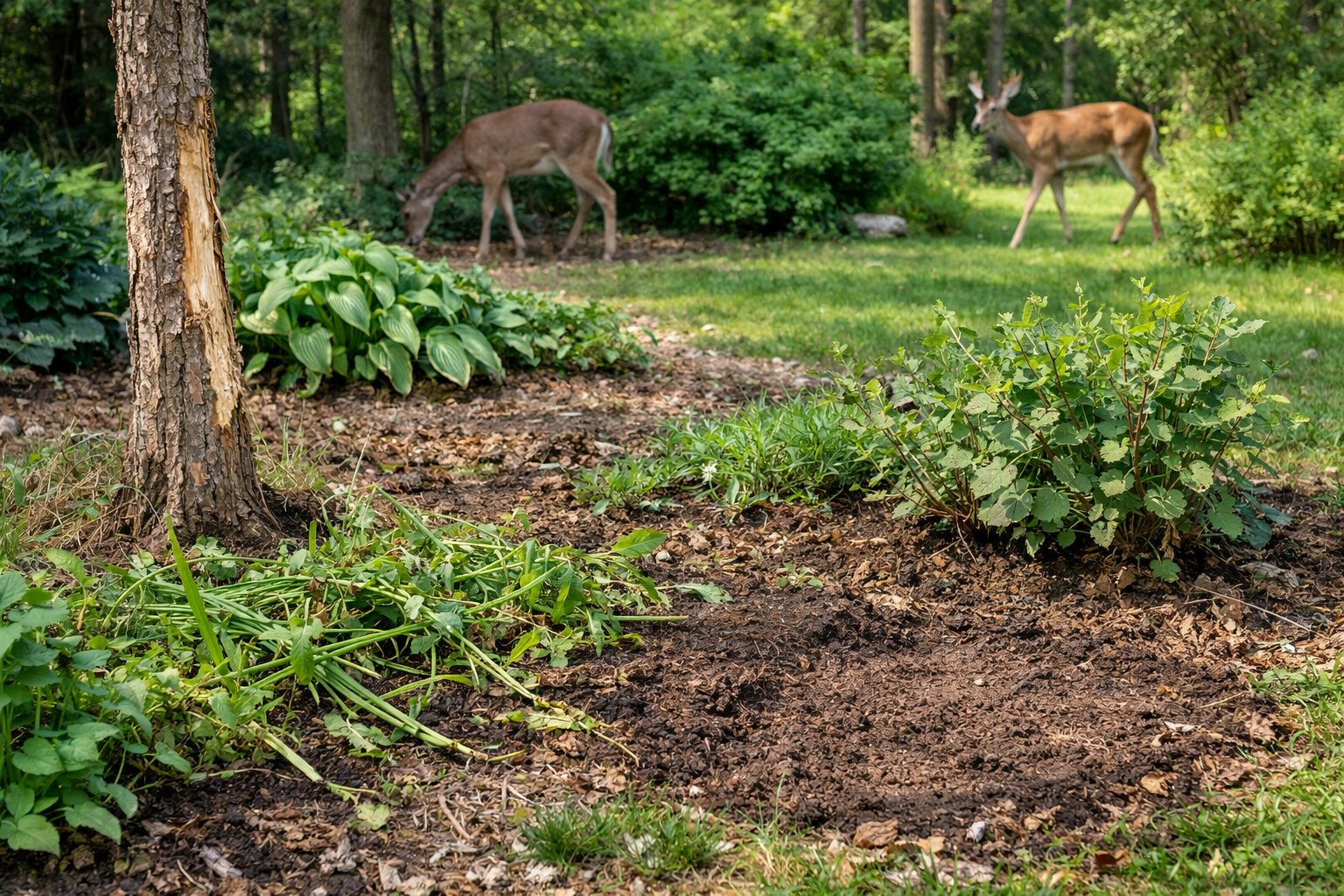
Deer chow down on flowers, shrubs, and veggies, sometimes chewing plants right to the ground. You might spot torn-up annuals, nibbled hostas, or vegetable beds where deer went after the soft new growth.
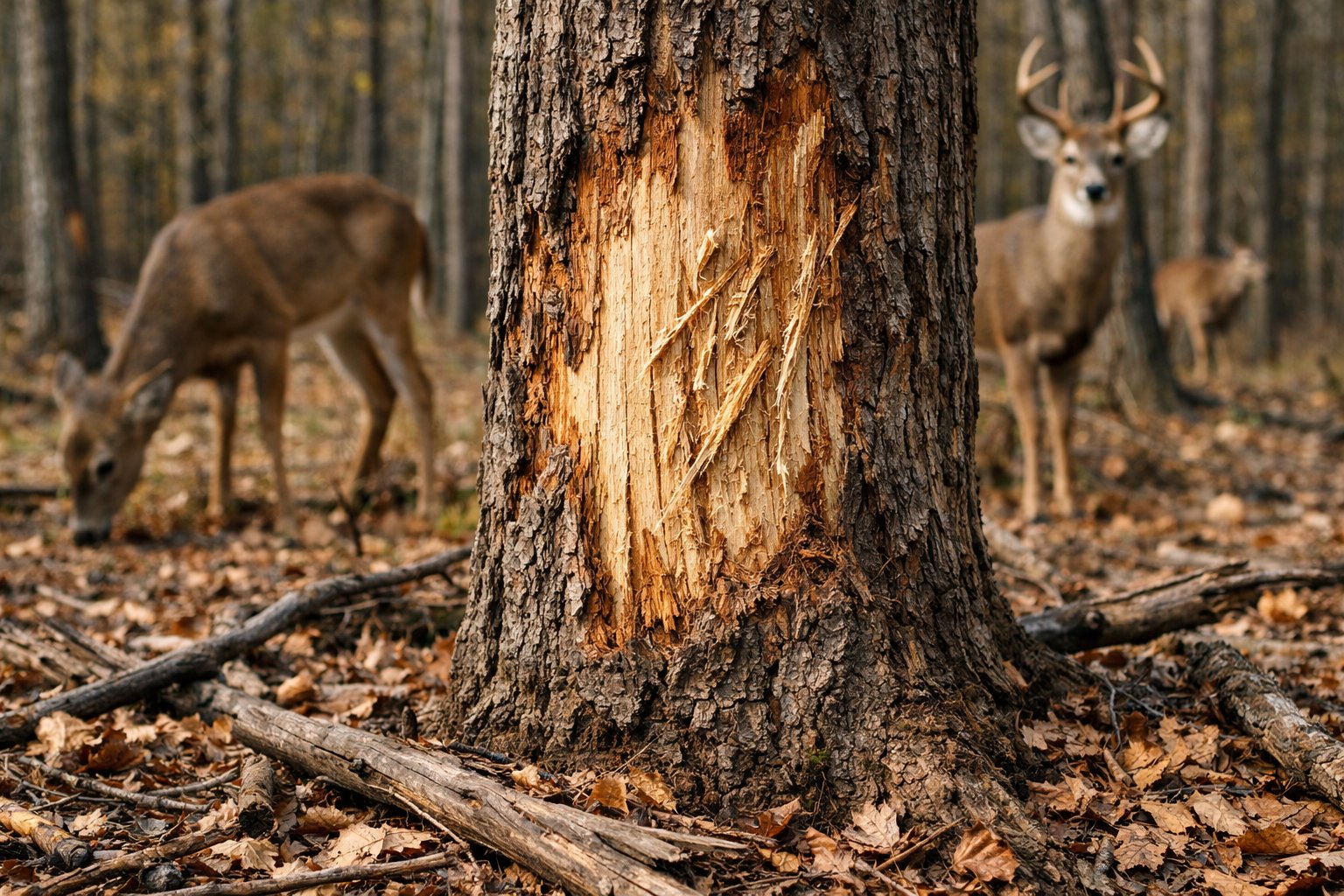
They rub their antlers on young trees and shrubs, which rips off bark and leaves wounds that can invite disease. If you live near woods, you might notice more damage, especially when there are lots of deer around.
Look for missing leaves at about 1–4 feet high, ragged edges on what’s left, and piles of droppings. Fencing, repellents, and planting stuff deer don’t like can help, but nothing is totally foolproof.
Crop and Orchard Losses
Deer eat row crops, fruit trees, and young nursery plants, which can really hurt your harvest. You might lose fruit, buds, or new shoots, and that lowers your yield for the year.
In orchards, deer chew on buds and strip bark from trunks, which makes trees weaker and gives you less fruit. If your farm is near the woods or you see lots of deer, expect to lose more.
You can try tall fences, scare tactics, or even population control. Check the edges of fields and the youngest plants first, since deer usually start there.
Damage to Trees and Forest Regeneration
Deer love munching on seedlings and saplings, which stops new trees from growing back. You might notice fewer oaks, maples, or other native trees in the understory where deer have been feeding.
When bucks strip bark, they can kill young trees and let pests move in. Over time, too much browsing changes the whole forest, since only the plants deer don’t like will survive.
Try tubes, cages, or tall fences to protect new trees. Keep an eye on the edges of the woods and watch deer numbers so you can step in before the seedlings disappear.
Deer-Vehicle Collisions and Safety Risks
Deer-vehicle crashes hurt people, kill deer, and wreck cars every year. It’s smart to stay alert at dawn and dusk, or during the fall when deer move around more and cross roads.
A deer can total your car and send you or your passengers to the hospital. Slow down in deer zones, watch for glowing eyes on the roadside, and if you see one, brake straight—don’t swerve.
Deer also carry ticks and diseases that can affect livestock and, though it’s rare, people. Lowering deer numbers near neighborhoods and managing their habitat can help cut down on both crashes and disease.
Factors Contributing to Deer Damage and Prevention Methods

Deer damage gets worse when they find easy food, cover, and not many predators. You can cut down on problems by changing the habitat, using barriers or repellents, and picking plants deer don’t like.
Influence of Deer Population and Habitat
When deer outnumber what the land can feed, they eat more of your shrubs, trees, and garden plants. Suburban edges, woods, brush, and even bird feeders create perfect deer hangouts.
You’ll spot their tracks, droppings, and chewed twigs where they like to feed. Local management and hunting programs can bring numbers down if there are too many deer.
Predators help in rural spots, but you don’t see them much in town. If deer seem bold and wander around in daylight, they’re probably living off human food and need stricter control.
Common Deer Control Techniques
Fencing is the most solid way to keep deer out. Use temporary electric or polytape fences for gardens and short-term crops, or go with permanent, high-tensile, or woven-wire fences for orchards.
A 7-foot woven fence or multi-wire electric setup keeps most deer from jumping or rubbing. Repellents and scare tactics work for a while, but deer get used to them.
Switch up smells—try capsaicin, rotten egg sprays, or ammonium soaps—and use motion-activated lights, sprinklers, or noise makers to keep them guessing. Combining methods helps, like a tree tube plus monthly spray, to keep young trees safe.
Community efforts matter too. Urban deer management and regulated hunting can lower pressure. Track where damage happens and check fences weekly during the growing season to make sure your defenses hold up.
Choosing Deer-Resistant and Native Plants
Pick plants that deer just don’t seem to love, and make sure they’re a good fit for your local climate. A lot of native species have figured out their own ways to keep deer at bay, and they tend to bounce back quickly if something does nibble them.
If you’re not sure where to start, maybe chat with your county extension or look up local plant lists—they usually have some solid advice.
Try putting less-desirable plants in spots where deer usually wander. Keep your most valuable young trees away from the forest edge, since that’s basically a deer buffet.
Mix things up with your plant choices so deer can’t wipe out a single species all at once. For a little extra peace of mind, throw on some tree guards or put up short, temporary fencing around new plants until they get established.


