
Don’t eat a deer if it looks sick, acts oddly, or has visible sores or swollen lymph nodes. If you spot a deer that’s thin, confused, or has weird wounds or smells, skip it—these signs might mean disease or spoilage, and you really don’t want to risk that. I’ll walk you through what to watch for and why it matters.
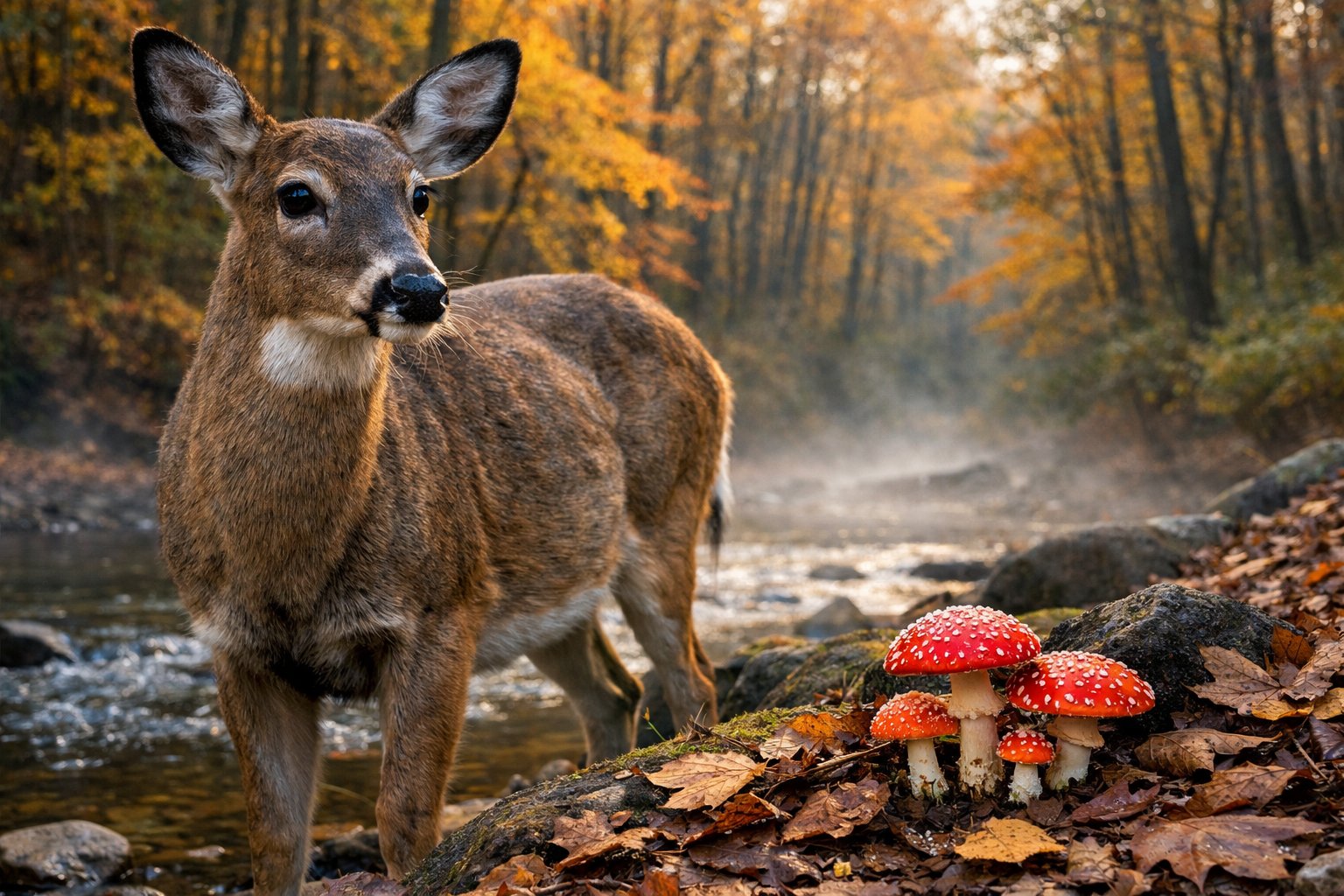
You’ll also hear about risks like chronic wasting disease, chemical or lead contamination, and how bad handling can turn good venison into a health hazard. I’ll break down the main reasons to avoid certain deer and offer a few steps to help you handle, test, and protect your meat, so you and your family stay safe.
Critical Reasons to Not Eat a Deer
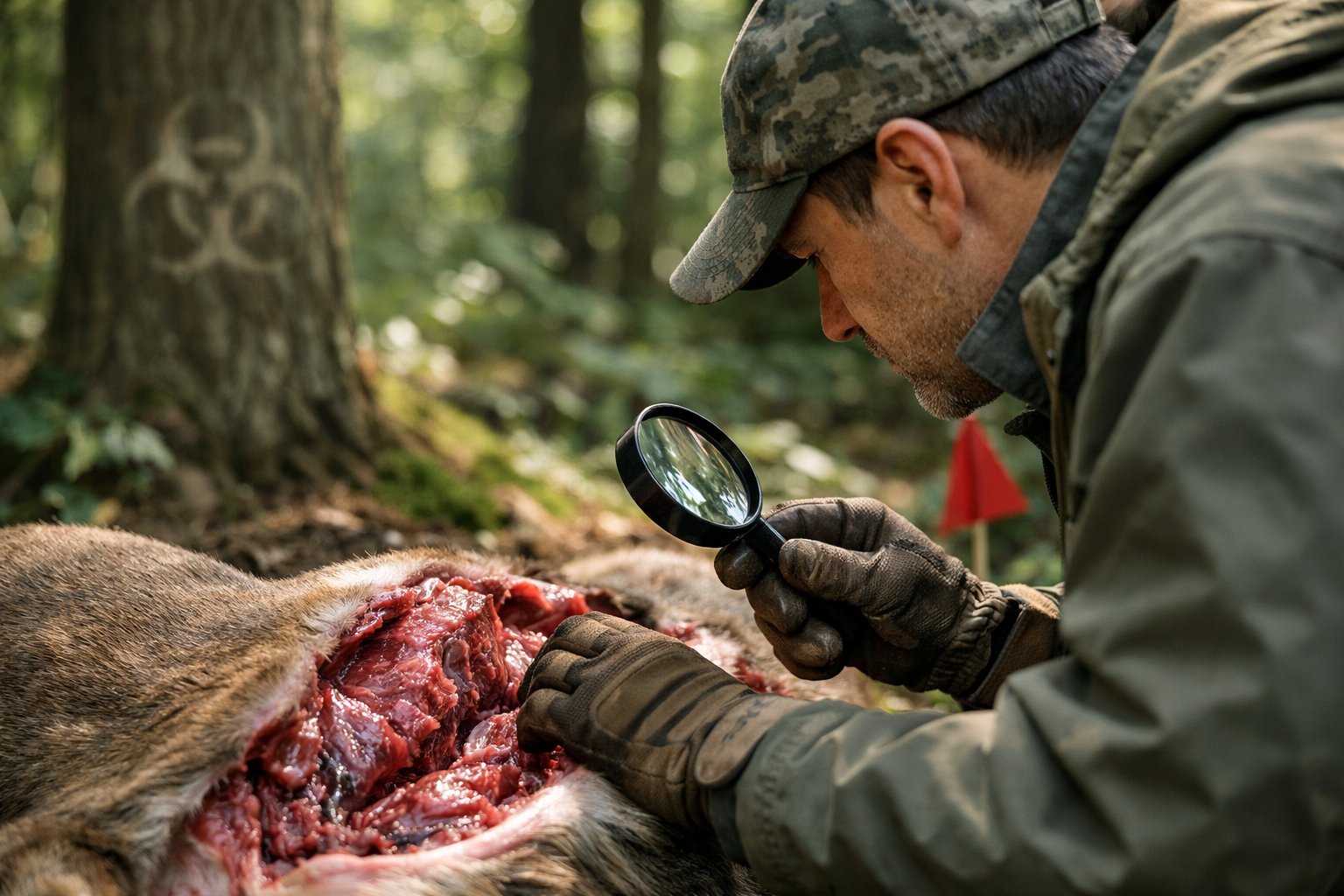
Eat deer only when you know the meat’s safe. Look for signs of illness, check for chronic wasting disease, and watch out for chemical or lead contamination.
Deer Health and Disease Warning Signs
If you see a deer acting weird or looking sick, don’t eat it. Avoid deer that stagger, seem off-balance, or show poor coordination.
Skip any deer with big wounds, abscesses, swollen joints, or pus near the mouth. These things usually point to infections or something more serious.
During field dressing, check the organs. If lymph nodes, tonsils, spleen, or anything inside looks wrong—discolored, sticky, or full of pus—just toss the meat. Blood that’s too bright or tissue that looks greenish is a bad sign too.
If the eyes are cloudy or the brain and spine seem damaged, don’t eat any of it. Parasites and bacteria can make you sick, especially if you undercook the meat.
If you find parasites or think the meat sat out too long, it’s not worth the risk. When you’re unsure, call your state wildlife agency for advice.
CWD and Prion Disease Risks
Chronic wasting disease (CWD) hits deer, elk, and moose. If a deer tests positive or shows CWD symptoms—weight loss, drooling, droopy head, weird behavior—don’t eat it. Prions collect in the brain, spinal cord, eyes, tonsils, and lymph nodes, so never eat those parts.
States run different CWD testing programs. If you hunt in a CWD area, send in the head or tissue for testing before you eat the meat.
The CDC hasn’t confirmed CWD can infect people, but health agencies still say you shouldn’t eat meat from sick animals. Don’t risk it with venison from deer showing neurological symptoms, even if you’re still waiting on test results.
Never eat meat from animals you just found dead, or ones that died for reasons you don’t know. Those are way too risky for prion and other diseases.
PFAS and Chemical Contamination Alerts
PFAS chemicals (like PFOS) stick around in the environment and build up in wildlife. Don’t eat deer from spots near known PFAS pollution—think industrial plants, firefighting areas, or contaminated wetlands. PFAS pile up in the liver and kidneys, so most advisories say to skip those organs if the animal’s been exposed.
State health departments sometimes put out local advisories for fish and game when PFAS levels get too high. If your hunting area has a PFAS warning, follow it—or just don’t eat the venison. Cutting away fat and organs can help a bit, but it won’t get rid of all the PFAS.
If you’re worried about chemical exposure where you hunt, reach out to local environmental or wildlife agencies. Ask about PFAS testing and the latest advisories before you eat the meat.
Lead Fragment and Ammunition Exposure
Bullets can leave lead fragments in the meat around the wound. Don’t eat meat that’s got visible lead bits or grit. When you field dress and quarter the deer, cut out a wide area around the wound and throw it away.
Try using non-lead ammo if you can. If you use lead bullets, look over the meat carefully and only keep pieces that are clean—no metal, no dark flecks. Kids and pregnant people should steer clear of venison that might have lead, since it can harm developing brains.
If you think venison might have lead, call your local health officials and ask about testing. State wildlife agencies usually have tips on safe butchering and testing.
Safe Handling and Preventative Practices
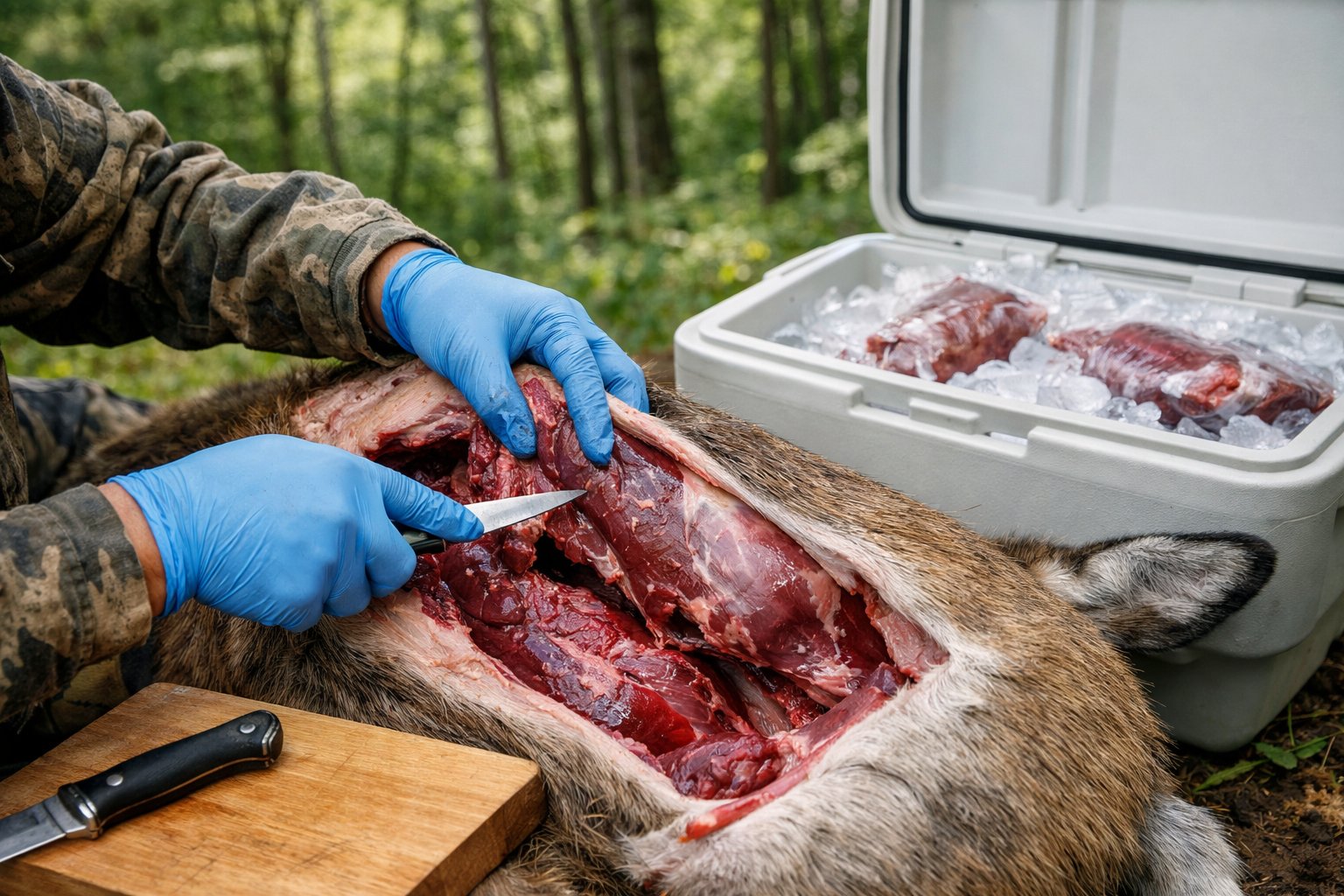
Take a few smart steps when handling a deer to keep your family safe. Wear gloves, cool the carcass fast, skip risky organs, and check for local testing or advisories before you dig in.
Field Dressing and Processing Guidelines
Put on disposable gloves and a clean apron before you start field dressing. Use a sharp knife and try not to cut into the guts, since that can mess up the meat.
Get the entrails out quickly and bag them for disposal or testing. Cool the carcass as soon as you can.
Aim to get the inside temperature below 40°F (4°C) within a few hours. If it’s warm out, quarter the deer so it cools down faster.
Work on a clean surface and use different knives for skinning and cutting meat. Wash your hands, tools, and surfaces with hot, soapy water after each step.
If you notice weird smells, pus, or strange tissue, don’t keep the meat. Call your state wildlife agency for help or possible testing.
Selective Butchering of Deer Organs
Don’t eat the brain, spinal cord, eyes, spleen, tonsils, or lymph nodes. These parts can hold prions if the deer has CWD, and they’re also more likely to have other infections.
Trim away any damaged or discolored muscle and fat. When you’re boning out meat, keep your tools away from risky tissues.
If you’re planning on CWD testing, bag and label suspect organs separately. Never give these parts to pets.
Keep an eye out for lead contamination from bullets. If you find lead, cut out the surrounding meat and throw it away. Using non-lead ammo can help lower your risk.
Regulatory Advisories and State Testing
Check with your state wildlife agency if you’re hunting in an area with CWD. Many states offer free or cheap CWD testing and will let you know what samples they need.
Pay attention to public health updates from agencies like the CDC or state wildlife departments. If your deer tests positive for CWD, don’t eat any of it.
States sometimes issue special guidance about lead or other contaminants for hunters in certain zones. Keep notes on where and when you took the deer, and any symptoms you noticed.
That info helps agencies track disease and makes it easier for you to follow any testing rules.
Minimizing Risks from Environmental and Hunting Factors
Don’t shoot or keep deer that look sick, seem too skinny, or act strangely. If you find a dead animal, leave it and let wildlife officials know right away.
Watch out for environmental contaminants like PFAS (per- and polyfluoroalkyl substances). Hunting near industrial areas, military bases, or polluted water? That can increase the risk of PFAS in the meat.
If you’re concerned, talk to your state agency about testing or check for local advisories. They might have some helpful info, or at least point you in the right direction.
Pick a clean spot for processing, and try not to smoke or chew tobacco while handling venison. Freeze or cook the meat as soon as you can.
Cook ground venison to 160°F (71°C) to make sure you kill any bacteria. Not sure if something’s safe? Reach out to your state’s testing programs or check with national health organizations.


