
When a deer stares at you and wags its tail, it’s usually feeling cautious or a bit on edge. The animal might be getting ready to run off or warn others nearby.
Pay attention to its tail, ears, and body. If you see a high, flashing tail or a quick wag, that’s a pretty clear alarm. A slow wag with a relaxed body? That might just mean the deer’s curious or only a little uneasy.
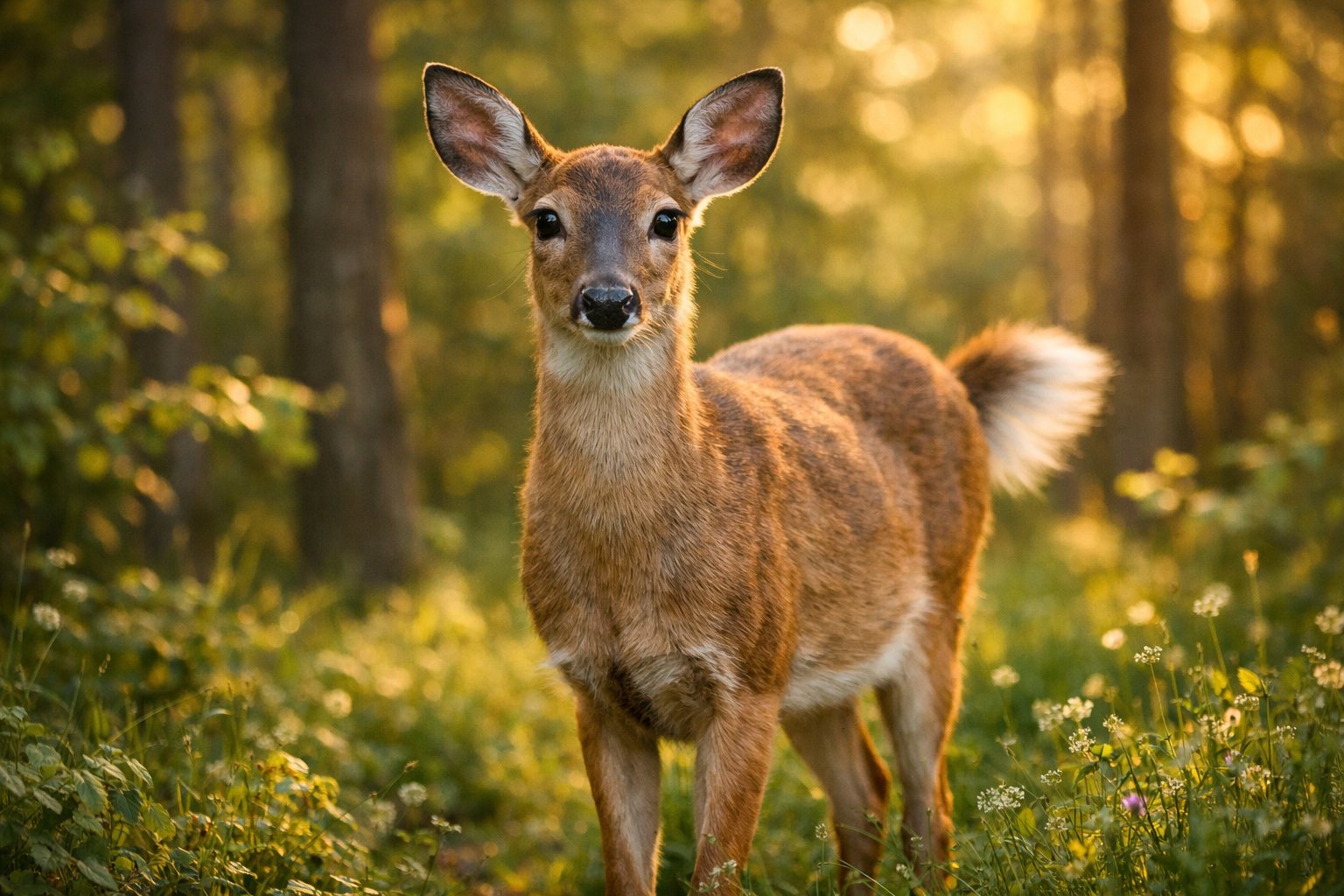
Ever wondered why deer just lock eyes with you? Their senses play a huge role in that intense stare, and the tail motion? It’s not random. Understanding these signals can help you avoid startling deer and maybe even catch a glimpse of how they “talk” to each other.
Decoding Why a Deer Stares at You and Wags Its Tail

When a deer stares at you and wags its tail, it’s reacting to something it sees, smells, or hears. You’ll want to check out the tail’s position, where the ears are pointing, and if it’s making any noise—those all help you figure out if it feels alarmed, curious, or ready to dash.
Interpreting the Stare and Tail Wag: Alarm or Curiosity?
If you spot a fixed stare and a raised, white tail, that’s almost always a sign of alarm. White-tailed deer “flag” the bright underside of their tail to warn other deer.
When the tail’s high and the wag is fast, the deer’s probably about to take off.
But if the stare is steady and the tail just flicks or stays relaxed, the deer might just be sizing you up. Young deer tend to stare longer—they’re still figuring things out.
If you move slowly and stay quiet, the deer might decide you’re not a threat.
Don’t try to get closer. If you see the deer flagging or stomping its feet, just back away slowly. That way, you’re less likely to spook it or get caught up in a defensive charge, especially during the rut.
Other Body Language Cues to Watch For
When a deer points its ears toward you, it’s on alert. Flattened ears? That usually means it’s getting agitated.
If you notice stomping, snorting, or hair standing up on the neck, things are escalating. A stiff, forward-leaning stance means the deer’s ready to bolt or defend itself.
Sometimes, deer lift their heads and twitch their tails while feeding. They’re just checking for danger. Fawns watch their mothers closely, so a doe’s signals often guide the whole group.
The time of year matters too. During the rut, bucks get more aggressive. Does with fawns act extra defensive.
If there are dogs around, expect a stronger alarm reaction.
Deer Communication and the Role of the Tail
Deer use their tails for two big things: as a visual alarm and a motion cue. When a deer raises and wags its tail, the white patch stands out, even in thick brush or dim light.
That signal warns other deer and sometimes lets a predator know it’s been spotted.
Deer also mix tail signals with scent and sounds. Their leg glands and snorts add more info—like who they are and how urgent the situation is.
In open spaces, tail-flagging gets even more important since deer can see farther.
White-tailed deer rely on a blend of cues—ears, eyes, nose, and tail—to decide what to do. If you pay attention to all of them, you’ll get a much better read on whether the deer’s just curious or warning the herd.
Understanding Deer Senses, Behaviors, and Safe Encounters

Deer use sight, smell, and hearing all at once to figure out what’s risky and when to run. Their body language—like a tail wag or an ear swivel—shows you just how alert or nervous they feel.
How Deer Perceive You: Vision, Smell, and Hearing
Deer don’t see the world like we do. Their eyes sit wide apart, giving them a broad field of view.
A special layer in their eyes, the tapetum lucidum, helps them see better in low light. They spot movement way faster than fine details, so if you move slowly and steadily, you’re less likely to spook them.
Their sense of smell is off the charts. Deer catch human scent from far downwind.
If you want to watch them, stay downwind or they’ll know you’re there right away.
Their hearing’s sharp too. Deer swivel their ears to track sounds. Loud or sudden noises put them on edge and make them bolt.
If you’re near deer, try moving quietly and keep your voice low.
Why Deer Are Prey Animals and How This Affects Their Reactions
Because deer are prey animals, survival instincts shape almost everything they do. They usually freeze, flee, or warn others.
Tail wagging and foot stomps act as alarm signals to the rest of the group. When a deer stares and wags its tail, it’s often thinking about escape routes and signaling danger.
Deer stick close to cover and keep an eye on open spaces for threats. Young deer can act unpredictably, while adults tend to be more cautious.
Never corner a deer. That only ramps up its stress and you might see some wild, unpredictable moves.
Best Practices for Observing Deer in the Wild
Keep your distance. Grab a pair of binoculars or use a camera with a decent zoom—no need to get too close.
Control your scent and noise. Move slowly, almost like you’re sneaking around. Try not to use strong-smelling soaps or bring smelly snacks with you. If you can, stay downwind so deer won’t pick up your scent.
Watch their body language. Rapid tail flicking, ears pinned back, snorting, or a stiff posture usually mean the deer feels uneasy. If you notice any of these signs, just back away calmly and make sure the deer has space to move off.
Don’t feed the deer. Feeding them messes with their natural habits and could make encounters risky for you or the animal. Stick to local rules about wildlife viewing and respect any posted distance guidelines.


