
You probably say “deer” all the time without giving it a second thought. But back in Old English, people used the word dēor, which at first just meant any animal. Later, it took on the more specific meaning we know today.
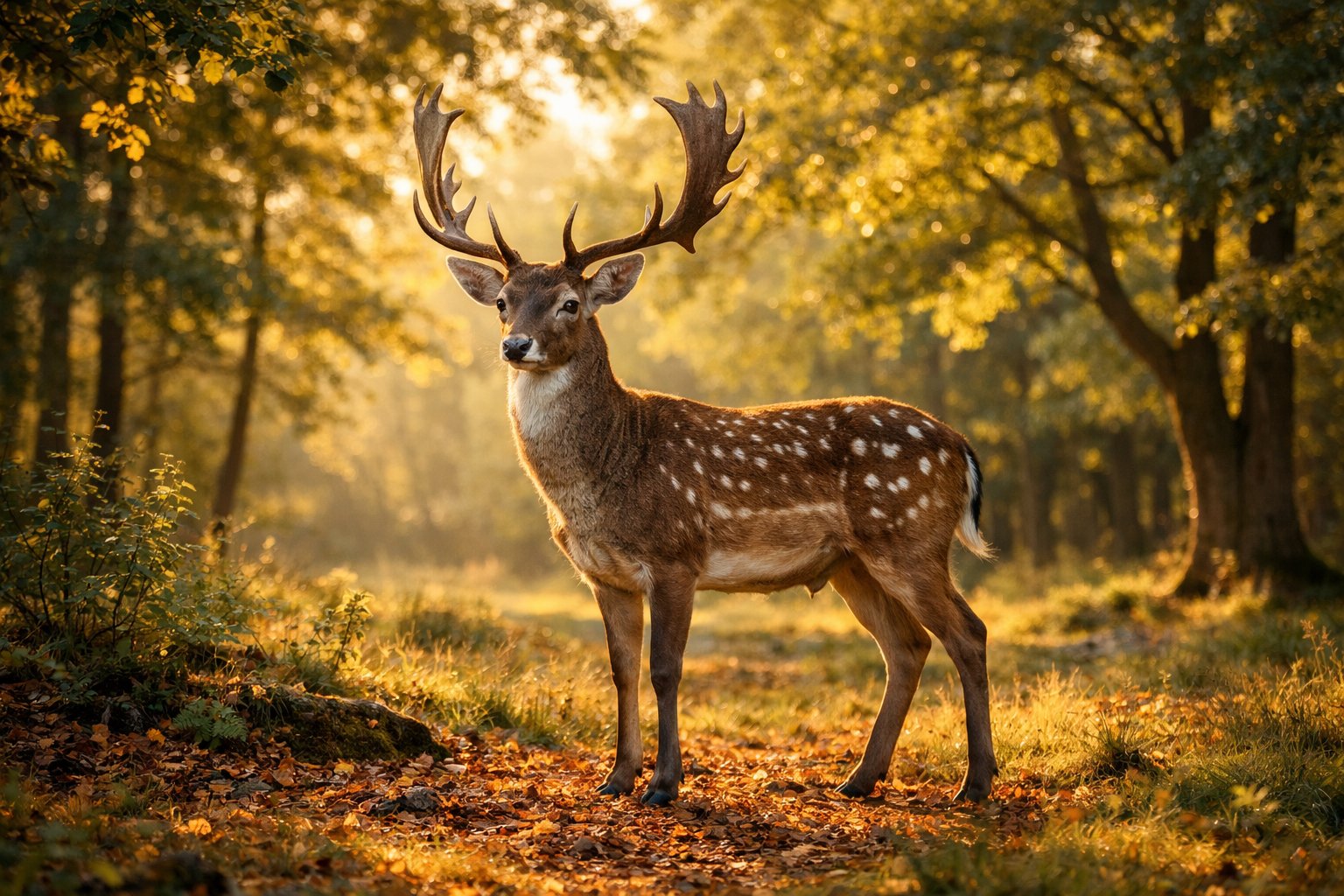
If you dig into this topic, you’ll notice how dēor ties into hunting culture, pops up in place names, and even connects with other Old English words like hind and buck. The language changed for all sorts of reasons—cultural, legal, poetic—and honestly, it’s a pretty interesting story.
Old English had different words for male and female deer, and those choices mattered in law, poetry, and everyday life. It’s wild how a simple word can open up a whole world, isn’t it?
The Old Word for Deer: Dēor and Its Linguistic Roots
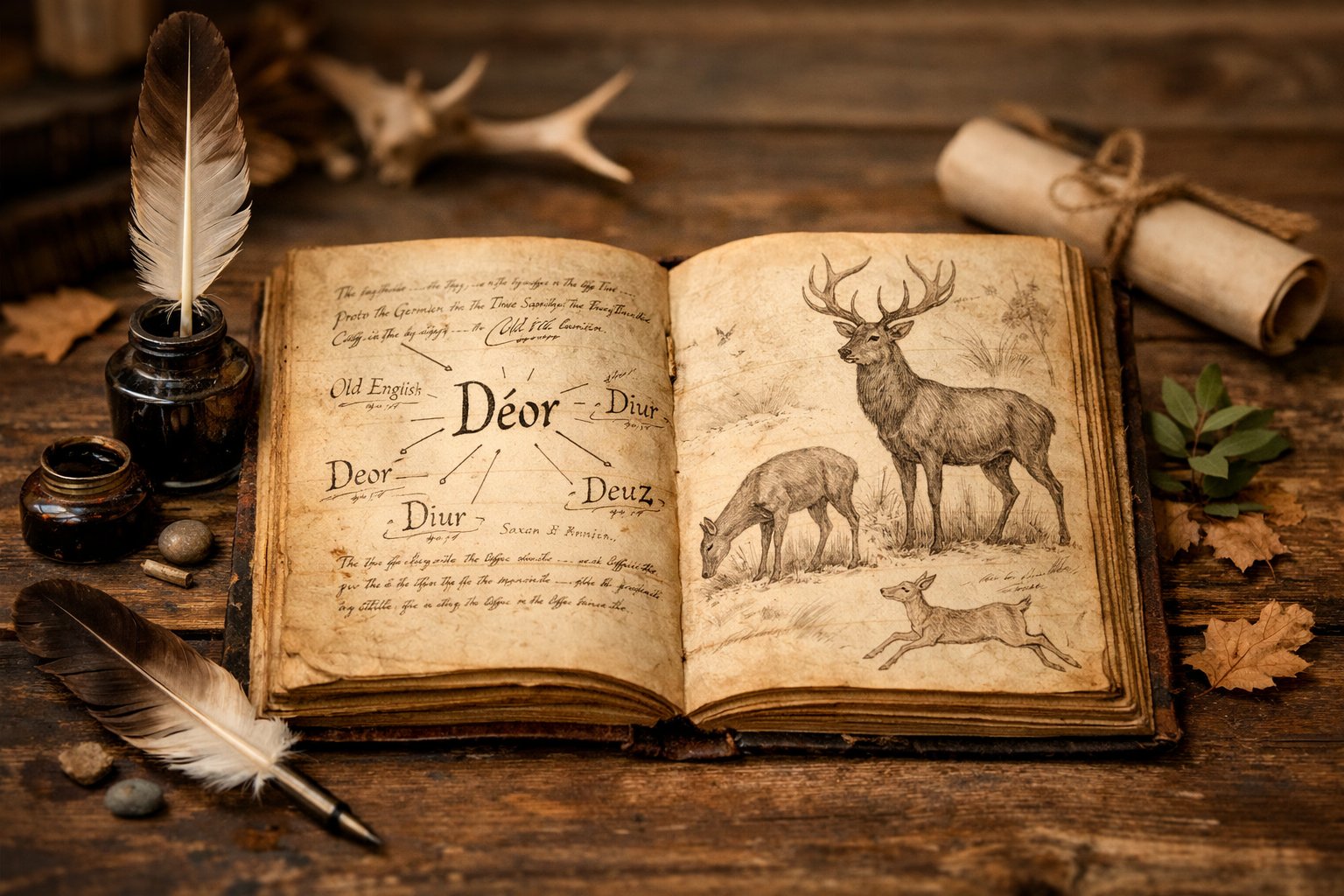
Let’s look at how Old English dēor started out meaning any wild animal, then slowly narrowed down to just deer. The word’s roots and the way people used it in different regions and stories all played a part in that change.
The Meaning and Usage of Dēor in Old English
Back in Old English, dēor usually meant a wild, four-legged animal—not just the deer you think of today. People used dēor for all sorts of beasts, whether they were talking, writing laws, or telling stories.
For specific animals, folks used other words—like hēorot for a hart or sceap for sheep. So, depending on the situation, they could be general or get really specific.
When you read old texts, you’ll see dēor in lots of places: hunting scenes, legal lists, even stories about mythical creatures. Sometimes the word just meant “beast.” Dictionaries like the OED entry for deer show all these different uses.
Semantic Development: From Wild Animal to Deer
Over time, dēor went from meaning “wild animal” to meaning specifically the animal we now call deer. This shift happened as people started using more specific words for other animals.
Hunting and game laws probably helped push this change, since deer became a prized catch. By Middle English, you’ll spot forms like dier or der, already with the new, narrow meaning.
By the 15th century, the change was pretty much done. Language does this a lot—a broad word gets more specific. You can check out Etymonline’s deer entry for more on that.
Etymology and Connections to Germanic Languages
Dēor comes from Proto-Germanic deuzą, which also meant animal. You’ll see similar words in Old High German (tior) and Old Norse, all with that broad “animal” sense.
Linguists trace the root even further back to Indo-European words for running or wild animals, though the exact ancestor is up for debate. If you’re curious, comparative dictionaries and etymology sites lay out the word’s path from Germanic roots into Old English.
Regional and Literary Variations in Old and Middle English
Regional dialects and literary styles shaped how people used dēor and related words like dier or tier. In some places, local animal names stuck around, so dēor stayed general. Other regions, influenced by hunting culture or Norse language, started using dēor for deer specifically.
Writers made choices, too. Epic poetry might use dēor for dramatic effect, while legal texts preferred more precise names like hēorot. Middle English brings spelling changes—dier, der—that match how people pronounced things differently across regions. Historical dictionaries and corpora can show you these patterns if you want to dive deeper.
Specific Old English Deer Terms and Their Cultural Significance
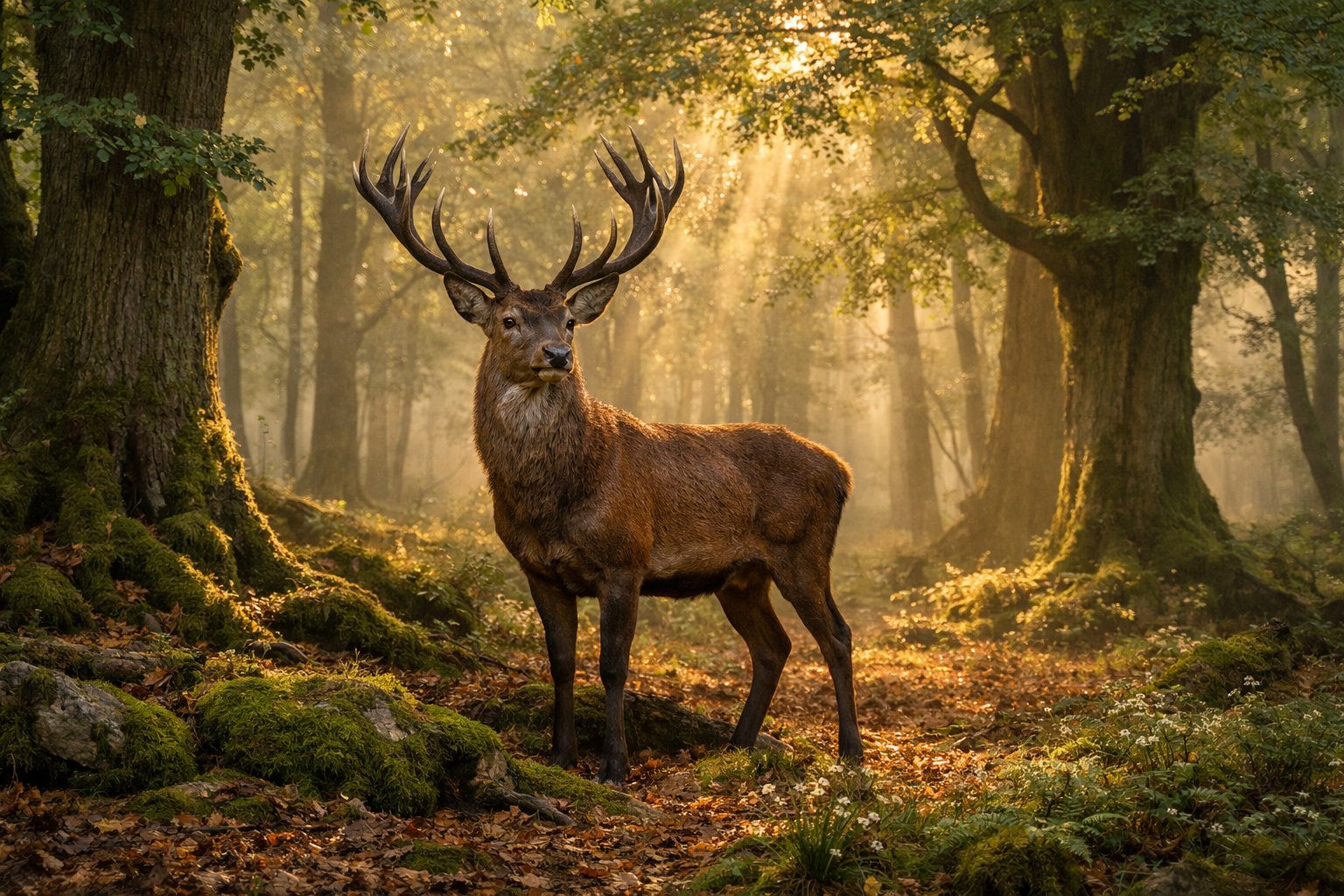
Old English had several words for deer, and those words mattered in hunting, poetry, and everyday life. People named the males, the females, and the young, and those names meant something in stories and even in the law.
Words for Male, Female, and Young Deer
You’ll find Old English words that line up with modern ones like buck, doe, stag, and fawn. The poetic word heorot usually meant a hart or stag with big antlers.
A mature male might be called a buc (which later became “buck” or “stag”), while a female was a hind or, in modern terms, a doe. For young deer, some texts used words similar to fawn or brenc.
Antlers made a difference. Hunters and nobles really valued stags for their antlers and size—especially red deer and bigger types like elk or moose in continental Europe. People back then didn’t always separate out species like white-tailed deer or roe deer, but age and sex mattered a lot in hunting.
Deer and Anglo-Saxon Literature and Culture
You’ll spot deer names in law codes, charters, and poems. Old English hunting vocabulary shows that people grouped animals by use and age, not just species.
Heorot pops up in poetry and place-names, hinting at both the animal and its importance as noble game. In Beowulf, deer imagery and the word heorot help set the scene for halls and hunts.
Deer show up in legal texts about forest rights and poaching penalties. Kings and nobles controlled herds of deer, especially red and roe deer, and they appointed keepers for them. That control shaped how villages worked, what people ate, and even how they thought about wild animals.
Symbolism and Legacy in English
You can still spot Old English deer words popping up in modern English and culture. The word “deer” shifted from meaning just “animal” to something much more specific, which says a lot about how language changes over time.
Shakespeare picked up on this too. He tossed deer and hart imagery into plays like King Lear, hinting at nobility, loss, or maybe just the thrill of pursuit.
Deer stand for nobility, speed, and that wild, untamed spirit. It makes sense, right? These traits tie back to the Cervidae family—those ruminant mammals with antlers.
Whenever you see antlers in art or stories, they tend to suggest strength or maybe a proud lineage. Even today, names like elk, moose, or white-tailed deer carry that old legacy.
You’ll find it in hunting, literature, and heraldry. A hart or stag still pops up as a symbol for rank and natural grace.


