
You can spot a happy deer just by watching how it moves and acts. If a deer feels safe and content, you’ll notice soft, relaxed ears, slow and easy steps, and casual grazing.
Often, you’ll find happy deer resting or grooming near others—kind of like they’re showing off how comfortable they feel. These little signs pop up everywhere, from backyard visitors to those quiet moments in North American woods.
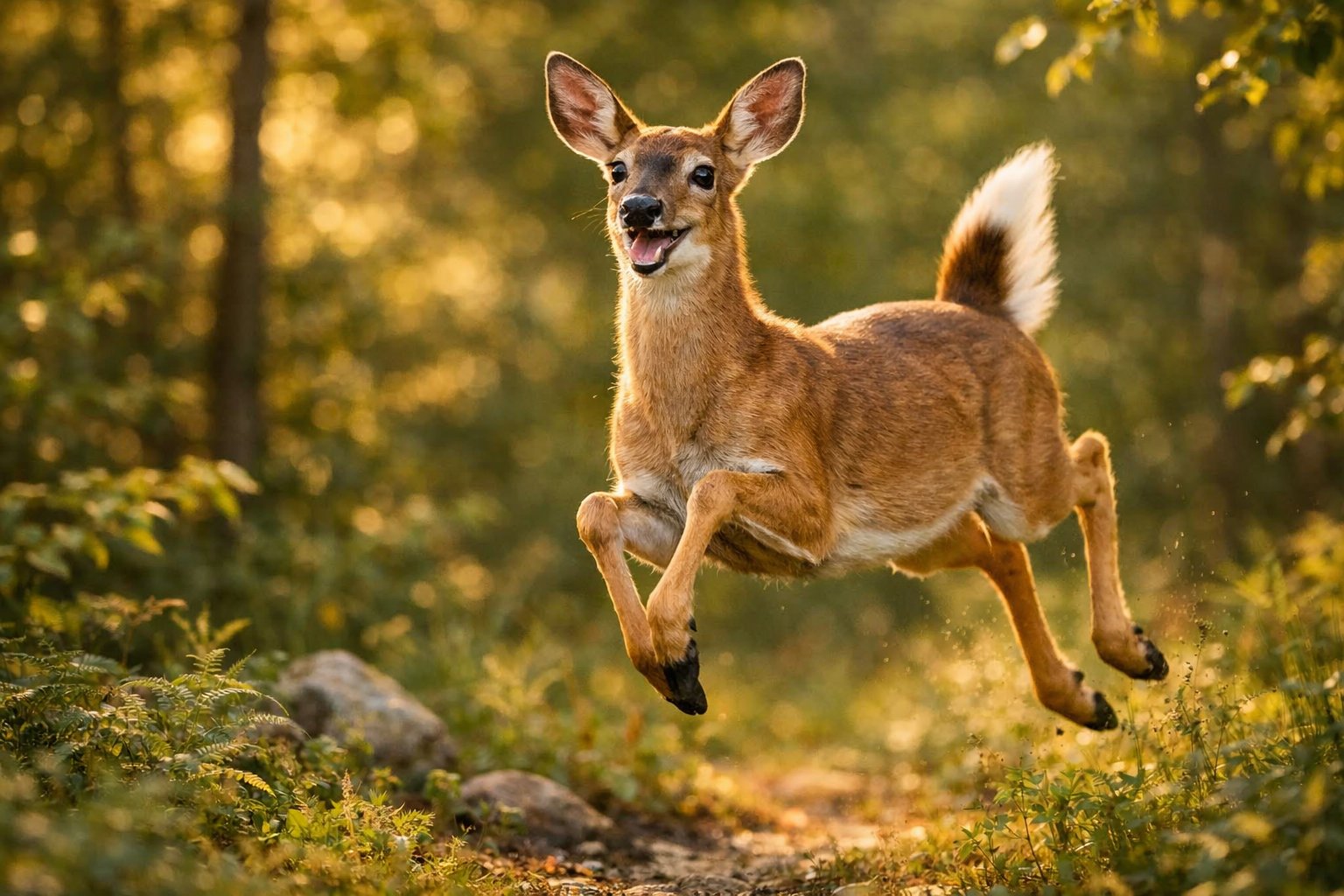
Sometimes, young deer chase each other or gently butt heads, which always looks a little silly but signals they’re at ease. If you catch deer making soft sounds or swishing their tails while feeding out in the open, that’s another clue they’re feeling good and bonding with their herd.
How Deer Show Happiness: Signs and Behaviors
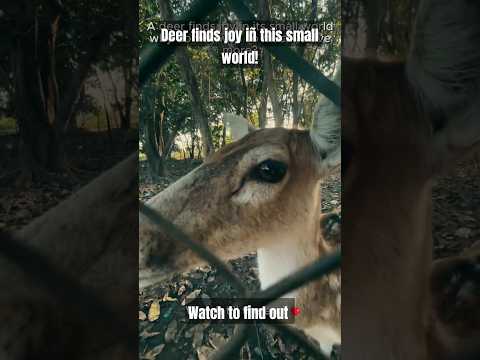
You can tell if a deer feels content by watching its body and the way it eats. Check out their tail, their posture, and how relaxed they look while feeding.
Tail Wagging and Flagging
Whitetail deer use their tails to show how they’re feeling. If you see a slow, loose wag or a gentle flick, that usually means the deer feels pretty relaxed. Bucks, does, and fawns all do this, but fawns especially love to twitch their tails when playing.
If a deer suddenly raises its tail to flash the white underside, that’s a warning, not a sign of happiness. The speed matters—a slow lift while grazing means calm, but a quick, stiff flag with tense legs means danger.
When you watch a group, notice if their tails move together. If they gently wag in sync while resting or eating, that’s a good sign the herd feels safe. Playful chasing often comes with quick tail flicks between leaps.
Relaxed Body Language
A comfortable deer shows it with soft ears, a loose neck, and smooth, easy breathing. Happy whitetails hold their heads at a natural level, not sticking them up high like they’re on alert.
Does that feel safe will rest close to each other, almost like they trust the company. Bucks can look pretty chill too outside of rut, with relaxed muscles and antlers held in a normal way.
Fawns bounce around and play when they’re healthy and happy. That loose, bouncy movement is a dead giveaway.
Don’t always assume a still deer is stressed. If you see one lying down with its legs tucked and eyes half-closed, it’s probably just resting. Using binoculars helps you check for relaxed signs without spooking them.
Calm Feeding Habits
Safe deer don’t rush their meals. They’ll graze slowly, chew with purpose, and hang around the same patch longer if they feel secure.
You might spot does letting their fawns eat nearby, which means there’s not much to worry about. Bucks sometimes graze right next to others (as long as it’s not breeding season), showing everyone’s feeling pretty chill.
If a deer keeps pausing or snapping its head up, it probably doesn’t feel 100% safe. But if you see steady, easy feeding, that means the deer trusts its spot and can focus on eating.
Social Interactions and Communication When Deer Are Happy
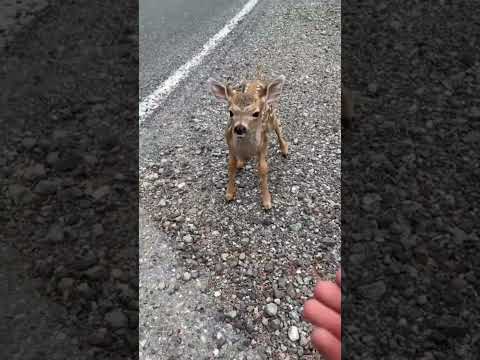
When deer feel safe, they get closer and interact more. You’ll see them using gentle touches, soft sounds, and relaxed body signals to keep the group calm.
Grooming and Affection
Deer show affection by nuzzling and licking each other. Does and fawns often focus on the neck and shoulders, which helps with grooming but also builds trust.
Sometimes, one deer lowers its head and lets another nibble its fur. That’s a sign of trust you can’t fake. Even mature bucks might join in on grooming outside of breeding season, especially if the group feels stable.
Deer that groom each other more often will rest closer together and share feeding spots. This helps the group stay calm, even if there are humans nearby or a mild threat in the area.
Playful Activity and Social Structure
Young deer love to run, leap, and play-fight when they’re feeling good. These games teach them how to move and set boundaries without anyone getting hurt.
Play also helps decide who’s in charge before the rut. Little victories in these games shape which bucks will get more serious later on. Mature bucks usually keep their distance outside of breeding time, but sometimes they’ll have a low-key sparring match, called an antler rush, just for fun.
Groups will spread out or move around to avoid fights. When there’s plenty of food and space, you’ll notice more play and less tension. That’s good news if you live near deer or want to support wildlife on your land.
Vocalizations of Contentment
Deer make soft noises when they’re calm—low grunts, subtle bleats, and quiet wheezes. Sometimes, you’ll catch a doe giving a short, low grunt while she feeds near her fawn.
These sounds help the group stick together without catching a predator’s attention.
Fawns use a high-pitched bleat to let others know where they are or if they’re feeling a little uncomfortable. Adults usually answer back with gentler, softer tones.
A buck will throw in a low grunt when he’s relaxed. During the rut, those grunts get louder and more frequent, but when things are peaceful, they’re usually quick and quiet.
Deer also show contentment with non-verbal cues—look at their ear position, tail carriage, and how relaxed their posture seems. If you hear only soft noises and see loose, easy body language, chances are those deer feel pretty comfortable right where they are.


