
You might assume deer just follow instincts, but that’s not really the whole story. They learn, remember, and figure out how to survive as their environment changes.
Deer show a kind of practical intelligence. They solve simple problems, watch what other deer do, and use memory and sharp senses to find food or dodge danger.
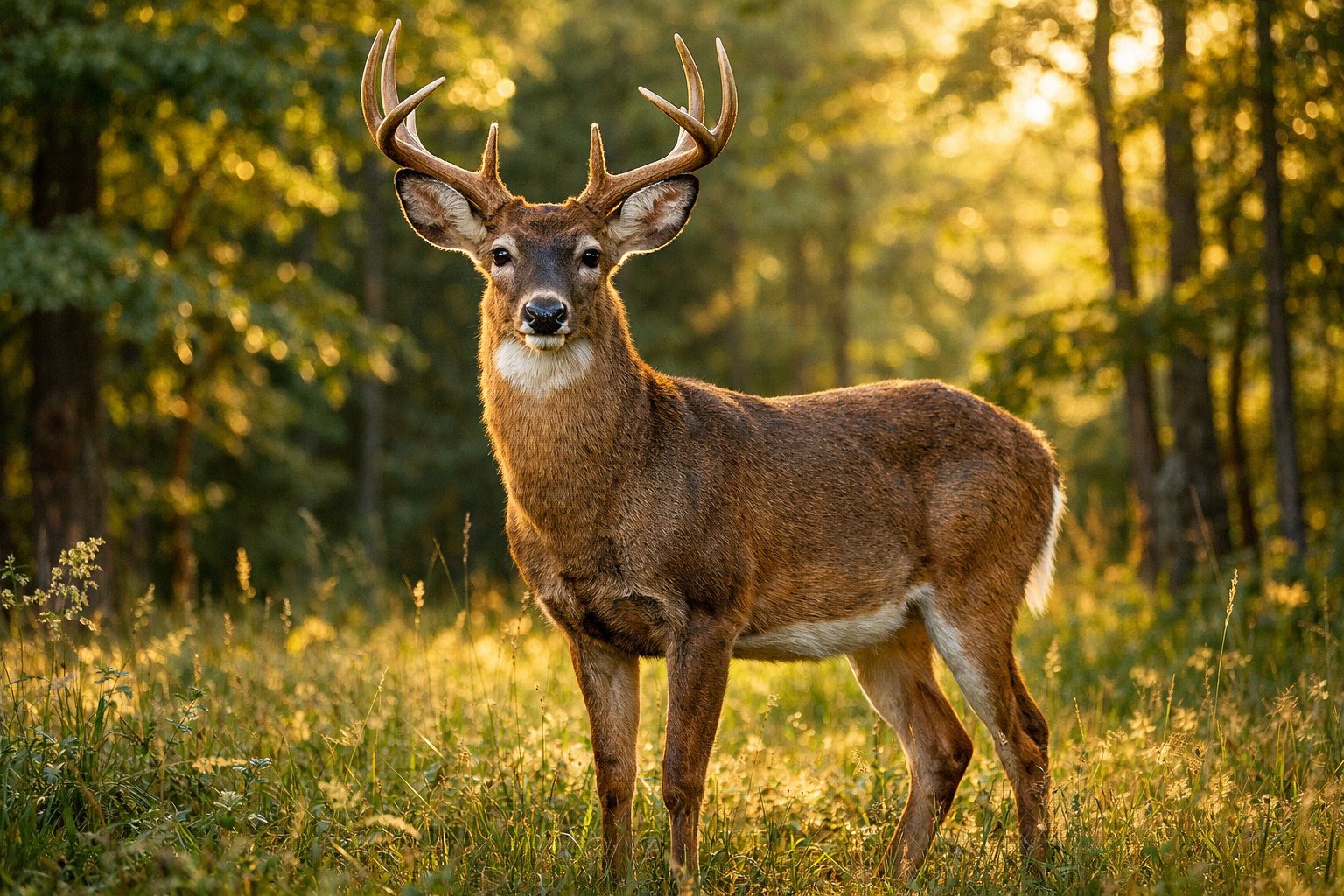
Let’s dig into how their behavior, memory, and social learning all come together. You’ll see real-life examples of deer figuring things out and staying alive—without turning them into little humans.
Understanding the Intelligence of Deer

Deer rely on their senses, memory, and learning from others to get by. They use spatial memory, learn from their mothers, and stay flexible in how they behave.
Defining Intelligence in Deer
When we talk about deer intelligence, we mean the skills that help them stay alive and raise fawns. They remember trails, pick up on scent marks, react to threats, and learn by watching other deer.
You won’t see them doing abstract thinking like people do, but their behavior changes with experience. Scientists figure out deer cognition by watching them in the wild, tracking them with GPS, and testing how they handle new obstacles.
White-tailed deer and other cervids mix instinct with learned responses. If you notice a deer quickly changing its path after a new trail appears, that’s practical intelligence in action.
Memory Skills and Spatial Awareness
Deer have strong spatial memory. You’ll often spot them returning to the same feeding areas, bedding spots, and trails year after year.
Researchers track deer as they find their way back to familiar home ranges, even after being moved. That shows they keep a mental map of their world.
Their hippocampus helps with navigation and remembering where food or water is. You can see this when deer stick to certain safe paths or find hidden water sources.
Their sense of smell and hearing also play a big part. They’ll mark places with scent or recognize certain sounds as landmarks.
Learning and Problem-Solving Abilities
Fawns learn from their mothers and other deer in the group. They watch adults to figure out what to eat, how to avoid danger, and where to go.
Social learning helps young deer avoid risky mistakes. When it comes to problem-solving, deer take a practical approach.
They learn to slip under fences, move around obstacles, or wait until people leave an area before crossing. In cities and suburbs, deer adapt by eating from gardens and hiding in new types of cover.
You’ll see that their thinking is flexible, but it’s focused on survival—not complex puzzles.
Comparison with Other Animals
If you compare deer to dogs or primates, deer have simpler social learning and don’t use tools. You shouldn’t expect them to solve puzzles or follow commands like pets.
But they hold their own among other hoofed animals when it comes to spatial memory and learning from experience. Against birds like crows or animals like raccoons, deer don’t do as well with tricky problem-solving.
However, they’re experts at navigating long distances and sensing predators. So, are deer smart? It depends on what you’re measuring.
Deer shine at navigation, spotting threats, and picking up useful habits from others. If you’re curious, you can check out more research on deer intelligence and behavior studies.
Deer Behavior and Adaptive Survival

Deer change how they move, eat, and live to stay safe and find food. You’ll see them switch up travel routes, adjust feeding times, and use scent and sound to talk to each other.
Adaptive Behaviors in Various Environments
Deer adapt to forests, fields, and even cities by changing where and when they feed. In the woods, they stick to edges and bedding areas to hide from predators.
In suburbs and cities, deer use gardens, greenbelts, and road edges for food. They often feed at dawn or dusk when fewer people are around.
They learn which routes keep them safe. That can mean you rarely see them, but it also leads to more deer crossing roads near feeding spots.
Wildlife managers watch these patterns to place warning signs, fences, or underpasses where deer cross most often. Hunters and landowners can predict deer movement by tracking food sources and cover.
You can use this info too if you’re planning land use or trying to manage deer populations.
Communication and Scent Marking
Deer use scent and body language to share warnings, mark territory, and signal breeding status. You’ll notice rubs on trees or scraped ground—these show dominance or readiness to mate.
Bucks leave secretions from their glands to identify themselves. You might spot deer stomping, snorting, or raising their tails to warn others of danger.
Scent marks help deer remember places and decide where to feed or rest. Land managers use knowledge of these scent sites to track local deer numbers.
Setting up scent-detection cameras at rub lines helps you monitor deer populations and breeding activity.
Social Learning and Herd Dynamics
Deer actually teach and copy each other all the time. Fawns stick close to their mothers at feeding spots, picking up on how to dodge predators just by watching what the adults do.
You’ll catch young deer copying the herd’s escape routes or how they feed. It’s almost like they’re always picking up tips from one another.
The size of a deer herd shifts depending on the season or any threats nearby. If hunters are out or there’s a lot of traffic, deer tend to bunch up more to keep an eye out.
They learn from each other’s mistakes too, like steering clear of a risky fence or a busy road. That kind of social learning can make a real difference for survival.
If you’re managing habitat, get ready—deer will adapt fast to anything you change. Tweak a food plot, put up a new fence, or change hunting pressure, and you’ll notice the herd’s behavior and movement shift, sometimes within just a season or two.


