
You can spot happy deer by their calm stance, gentle grunts, and playful moves. When a deer feels safe and content, you’ll notice loose muscles, soft ears, and relaxed feeding without that constant nervous scanning. Sometimes they groom or rest near other deer, which is a pretty clear sign they’re comfortable.
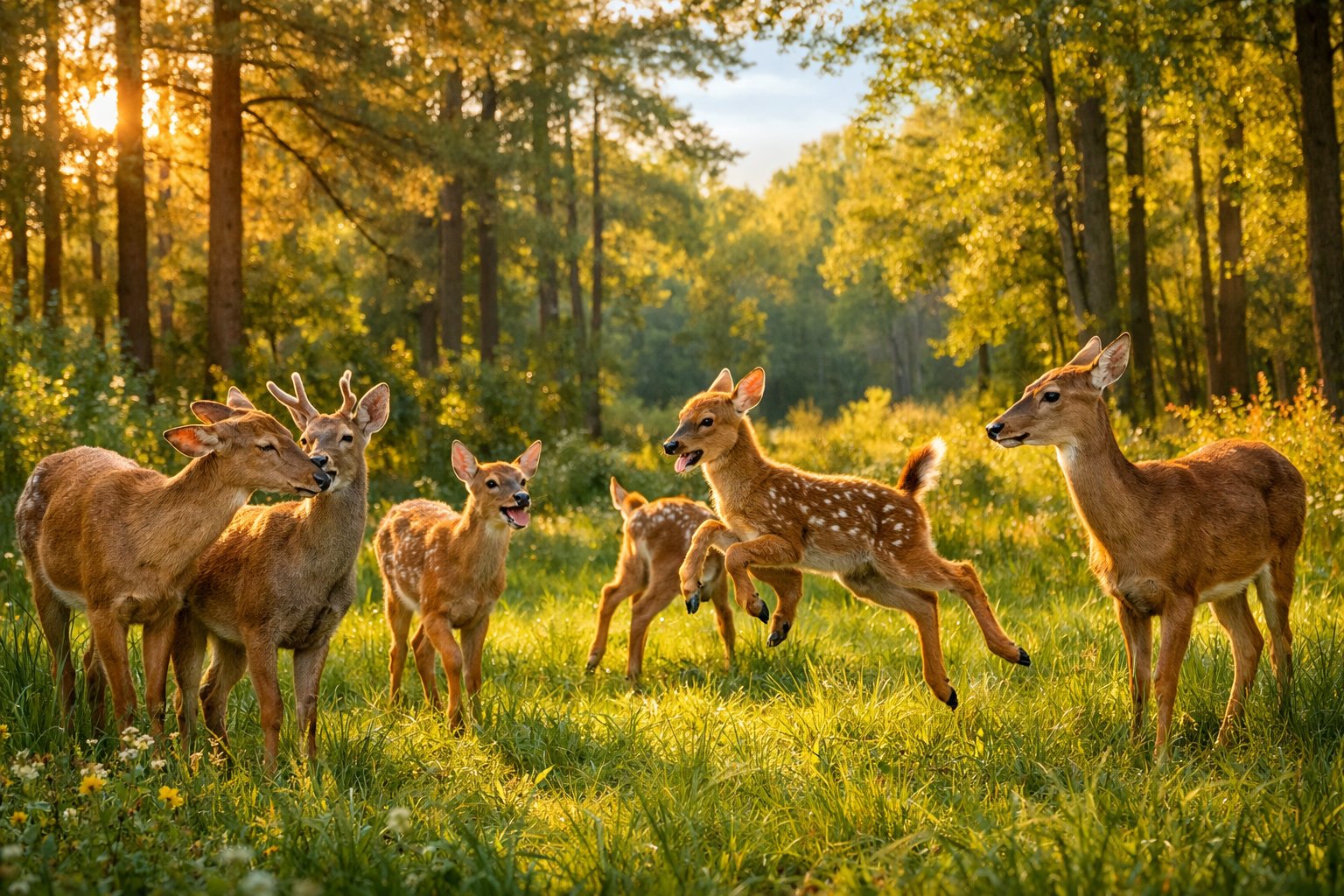
Keep your distance and watch for tail flicks, soft vocalizations, and laid-back grazing. Those little signals say way more than dramatic leaps ever could.
The next sections dig into how deer show happiness, from tail movements to scent and social grooming. You’ll start spotting real contentment in the wild before you know it.
How Deer Show Happiness

You can tell a deer feels happy by watching its body posture, how it acts around other deer, where it chooses to feed, and the quiet sounds it makes. These small clues reveal when a deer feels safe and at ease.
Relaxed Body Language and Posture
Look for loose muscles and a chill stance. A happy deer usually holds its head at a normal height, not stretched up and tense.
Its ears move softly, not locked forward, and the tail just hangs out instead of flashing or tucking.
You’ll notice their eyes look soft, not wide or startled. If a deer lies down with its legs tucked under on open ground, it’s showing trust in the area.
Movements stay slow and deliberate. You won’t see that frantic, jerky stepping or constant scanning. Wild deer and whitetails both do this when they feel secure.
Playful and Social Interactions
Young deer love to show happiness by chasing each other or having harmless little sparring matches. Sometimes fawns leap and bound, or yearlings butt heads without any real aggression.
These playful actions help them figure out social roles and build bonds.
Adults often groom each other and rest close together when they’re calm. Mutual grooming and tight grouping cut down on stress and show a stable herd.
When you see this, you know the herd’s communication is working and the deer feel safe enough to hang out together.
Comfortable Feeding Habits
A deer that eats slowly and chews without pausing all the time feels comfortable. Watch deer feeding in open fields or along trails at dawn or dusk—if they’re grazing relaxed, they’re not sensing danger.
They’ll stick around longer and even come back to the same spot to refeed.
When deer feed in exposed areas, it’s a strong sign they feel secure. You’ll sometimes notice them picking the best browse or tender shoots and returning to that patch day after day.
That steady feeding pattern says the habitat is good and there’s not much human pressure.
Gentle Vocalizations and Sounds
Happy deer tend to make soft, low calls, not those sharp alarm snorts. Does will bleat quietly to their fawns—a high, trembling bleat that signals contentment and bonding.
You’ll also hear soft grunts during laid-back interactions between adults.
Try not to mix up these sounds with alarm signals like loud snorts or stomping. Those mean fear, not happiness.
When you hear quiet bleats or gentle grunts as deer feed or groom, they’re usually calm and comfortable.
If you’re curious about more body cues, check out this guide to deer body language and behavior.
Tail Movements, Scent, and Other Happy Deer Signals
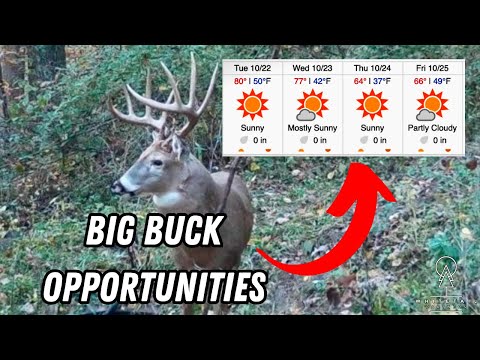
You’ll notice clear signs when deer feel safe, calm, or content. Watch their tails, pay attention to scent, and observe body posture—habitat can change these signals a bit.
Tail Wagging and Flagging
A relaxed deer usually gives a slow, low side-to-side tail wag. That easy swish says the animal feels safe, not threatened.
You might spot this while a deer grazes in a peaceful field or browses near the woods.
Tail flagging—where they flash the white underside high—usually means alarm. But sometimes, you’ll see brief gentle lifts when a deer finishes feeding and stands alert for a second.
It’s smart to check tail posture along with ear and head position so you don’t misread the mood. Sometimes a deer stomps after a tail flick, which can mean mild irritation, not full-blown fear.
Fawns mimic adult tail movements as they learn social cues. Hunters and wildlife watchers both use these hints to predict movement, and you can too.
Scent Marking and Interdigital Gland Use
Deer use scent to share status and comfort. Bucks rub their antler bases and shoulders on trees during the rut, but you’ll catch them making casual scent marks outside breeding season too.
Those rubs leave gland oils behind, basically saying, “I was here” or “this spot feels safe.”
The interdigital glands between a deer’s hooves leave scent on trails. When a deer walks through a calm area, that scent trail tells others the spot is familiar and low-stress.
You might notice stronger scent marking where there are lots of deer or in urban green spaces where they repeat their paths.
If you approach quietly, you can spot these signs—a line of worn trail, rubbed bark, or hoof marks in the soil. All of that points to routine scent use, not panic.
Non-Verbal Communication Methods
Deer rely on lots of quiet signals besides tails and scent. Ear position and head angle give away their mood.
Erect ears facing forward show curiosity. Dropped ears and a loose jaw mean contentment.
Body posture matters too. A relaxed deer stands with a rounded back and chews slowly.
You’ll see social grooming and close grouping among does when trust and comfort are high. Sometimes, a mother and fawn touch noses gently—that’s bonding, not aggression.
Vocal sounds don’t happen much, but you might hear soft grunts or bleats between family members. Deer don’t mourn like humans, but they do have social bonds.
If a group splits up, you might notice restlessness—think pacing or searching behavior.
Deer Happiness in Varying Habitats
Habitat really shapes how deer show contentment. In open fields, you’ll spot them grazing with ease, tails swishing slowly, and sometimes following scent trails.
In dense woods, deer lean more on scent and those subtle ear flicks since they can’t see much. Visibility drops, so they adapt in clever ways.
Urban deer? They adjust too. If people feed them or just leave them alone, these deer often seem calmer around humans. You’ll notice more grazing, less tail flagging.
But if you pack in more deer or roads cut through, stress goes up. You might catch them lifting their tails faster or stomping more.
When rut season hits, everything changes. Mating drives take over, and relaxed behavior drops off.
If you’re watching deer, keep season and location in mind. Context matters—sometimes a tail wag means happiness, but sometimes it’s all about nerves or just how many other deer are around.


