
You spot deer everywhere—woodlands, fields, even near busy roads. So, are they pests in the UK? Sometimes, deer act like pests when their numbers get out of hand, damaging crops, young trees, and gardens. Still, they’re wild animals with legal protections and real conservation value.
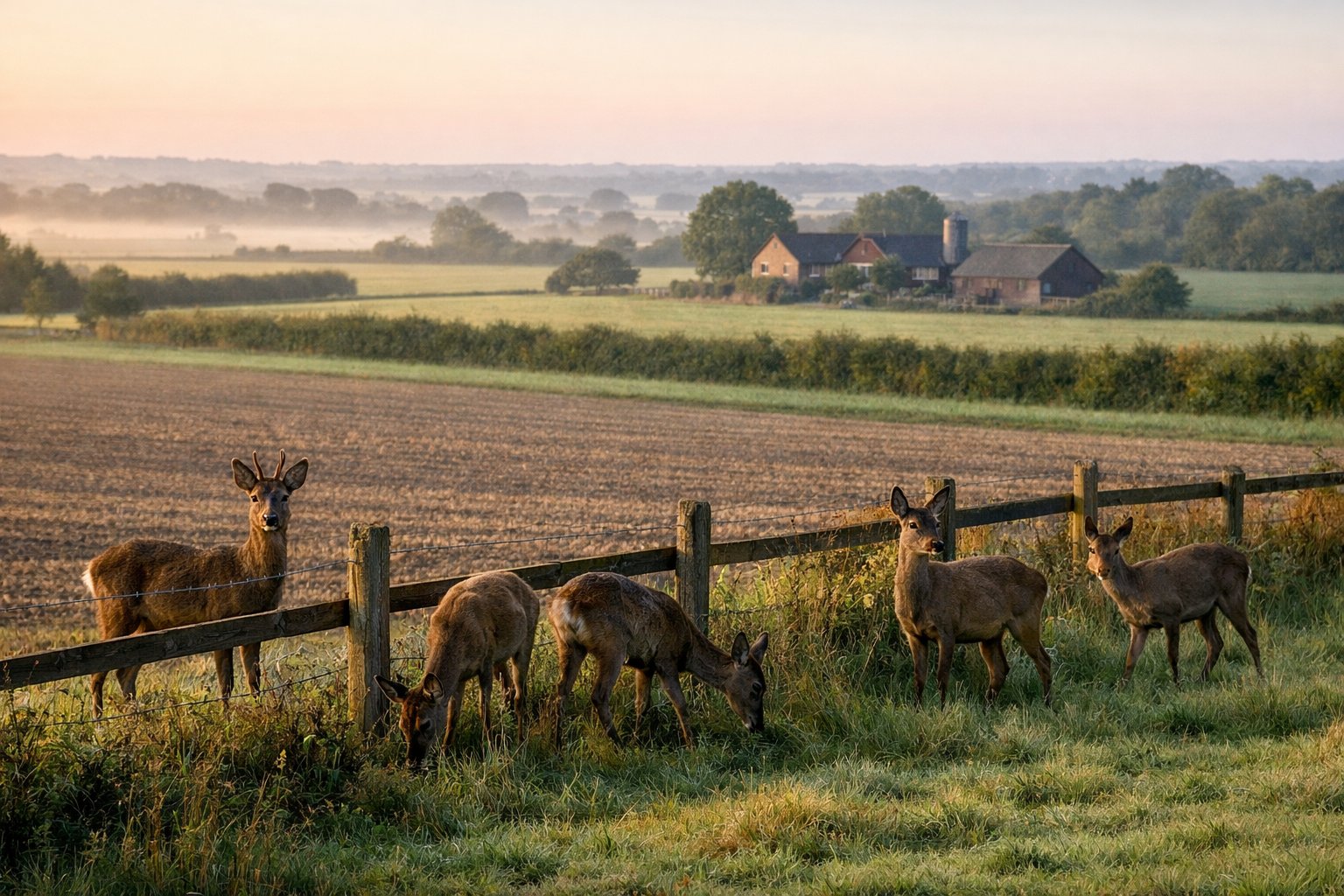
Let’s dig into why some species cause trouble while others add value to the landscape. Laws and management shape what people call a pest, and it’s not always a simple answer.
You’ll see examples of places where deer do real damage and what that means for nature and farming. People have to find a balance—sometimes that’s easier said than done.
Are Deer Considered Pests in the UK?

How people manage deer in the UK depends on the species, the place, and the impact. Some folks see deer as wild creatures to protect, while others see them as pests when they wreck crops, trees, or native habitats.
Defining ‘Pest’ in the British Context
In Britain, people usually call an animal a “pest” if it harms people, property, farming, or native wildlife. This comes up when deer munch on crops, strip tree seedlings, or tear up fences and gardens.
Landowners measure damage by what they lose—maybe a smaller harvest, replanted trees, or a busted fence. Legal rules like the Deer Act 1991 set closed seasons and spell out what control is allowed.
Government advice and wildlife groups don’t always agree on the words. Some papers call deer pests where there’s clear harm. Other groups, like the British Deer Society, push back against that label and focus on humane, legal management and the deer’s place in nature.
When there aren’t any big predators, deer populations can balloon. That’s when people start treating them as pests, even if they don’t always use the word. Choices like fencing, deterrents, or culling depend on the local impact, what it costs, and what the law says.
Native, Naturalised, and Invasive Deer Species
Six deer species pop up in UK conversations: native roe deer (Capreolus capreolus) and red deer (Cervus elaphus), the long-settled fallow deer (Dama dama), and three non-natives—sika (Cervus nippon), muntjac (Muntiacus reevesi), and Chinese water deer (Hydropotes inermis).
People treat each species differently. Roe and red deer belong here, but they can still cause problems for forests and farms when there’s too many. Fallow deer have settled in, and their impact is mixed.
Muntjac and sika get called invasive because they breed quickly, spread into gardens and woods, and mess up ground plants and seedlings.
Management plans vary by species. Muntjac chew up low plants and hurt biodiversity. Sika can mix with native deer. Red stags with big antlers break fences and sometimes cause road accidents.
Local councils, landowners, and conservation groups decide what to do based on which deer are around and what damage they’re causing.
Public Perceptions and the Cultural Image of Deer
People in Britain have strong feelings about deer. Many folks love seeing stags or catching a glimpse of roe deer at dawn. That cultural value shapes policy and how the public reacts to control measures.
At the same time, farmers and rural communities want action when deer eat crops, damage young trees, or cause car crashes. Conservationists point out how too many deer can wipe out woodland plants and stop forests from coming back.
With all these opinions, the debate is really about balance—protecting iconic British deer but cutting down on the harm. Groups like the British Deer Society don’t like the “pest” label and push for smart, humane management. Pest-control groups and some landowners want tougher controls, especially where non-native or dense deer populations threaten farms and habitats.
Environmental and Human Impacts of Deer
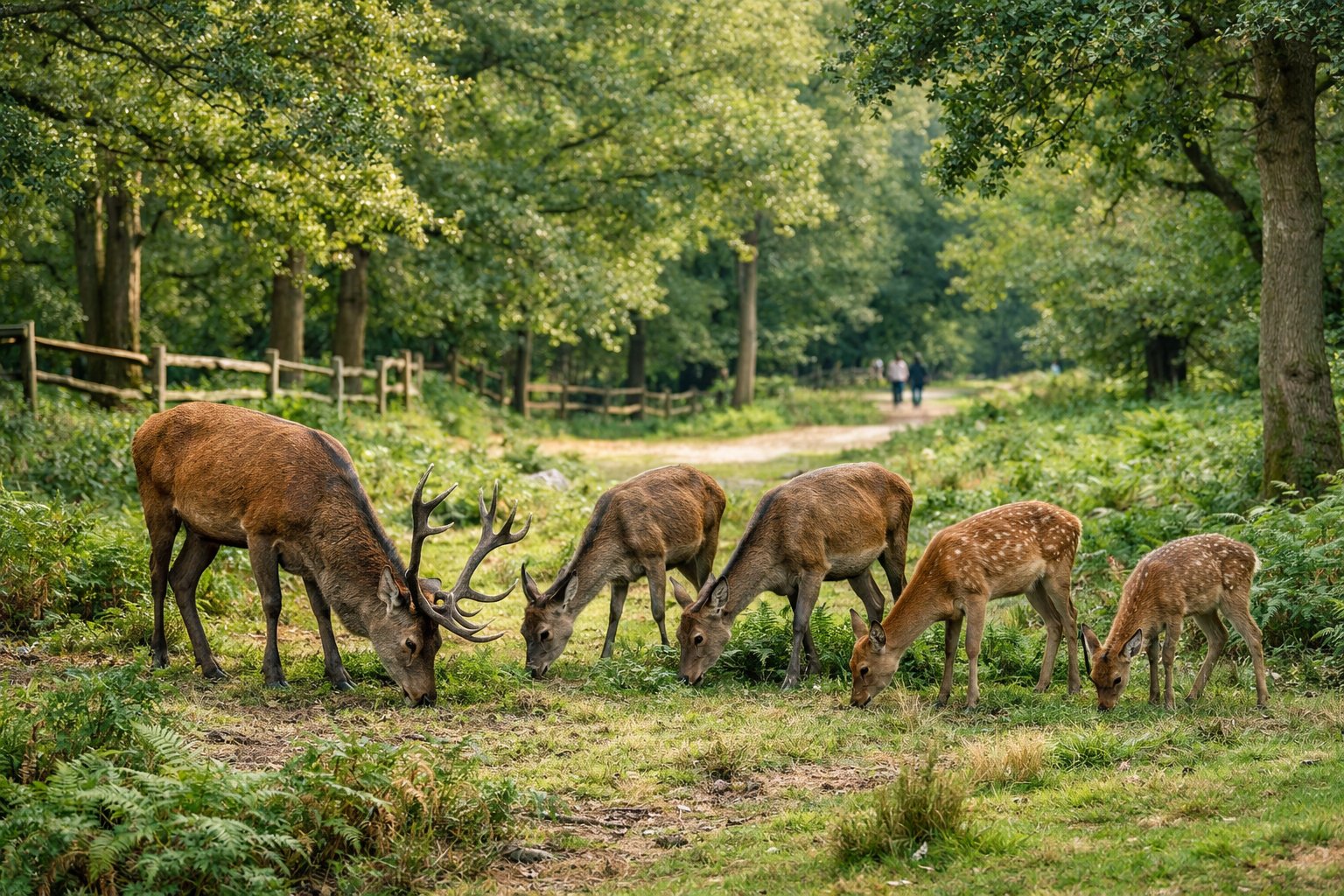
Deer can change plant life, damage trees, raise the risk of car accidents, and even affect public health if there’s too many. It’s worth knowing how deer shape biodiversity, woodlands, roads, and the laws that try to keep things in check.
Ecological Effects and Biodiversity Loss
Too many deer can wipe out young trees and shrubs. In woodlands, heavy grazing removes seedlings and ground plants.
That leads to less plant variety and simpler habitats, which hurts birds like nightingales and insects that need thick undergrowth.
You might notice some plants vanish while others take over, all because deer eat selectively. The whole ecosystem shifts—fewer wildflowers, fewer pollinators, and less food for small animals and birds.
Deer do help spread seeds, but when they graze too much, biodiversity drops. Local management and the lack of predators let deer numbers climb.
Careful deer management—like professional control or targeted culls—can help bring back plant and animal diversity.
Woodland and Farmland Damage
Deer slow down forest recovery by eating oak, beech, and other saplings. This hits hardest in the Highlands, parts of Scotland, and East Anglia, where new trees matter most for future forests.
On farms, deer eat crops, break fences, and can ruin freshly planted hedgerows.
You might spot bark stripped from mature trees during rutting season or winter. That can kill trees or leave them open to disease.
Forestry and farming groups sometimes use deer-proof fencing, plant at certain times, or manage grazing. The Forestry Commission and the British Deer Society offer advice on cutting damage while sticking to wildlife laws.
Deer-Related Health and Safety Concerns
Deer-vehicle collisions are a real risk on rural roads and motorways. Slow down where you see deer signs, especially at dawn, dusk, or during the rut when deer move more.
Collisions can hurt people, wreck cars, and sometimes turn deadly.
Deer carry ticks that can spread Lyme disease. If you walk through long grass or woods, check for ticks afterward. Deer aren’t the only source, but when their numbers go up, tick populations usually do too.
Public safety steps include road signs, making drivers more aware, and managing habitats to cut down on collisions and tick risks.
Deer Management and Legal Protections
Laws like the Deer Act 1991 protect deer, so you have to follow strict legal rules and welfare standards for any cull or control. Only licensed and trained people can handle professional deer management when you need to control the population.
If you just go out and kill deer without regulation, that’s illegal. For management, people use tools like population monitoring, selective culls, fencing, and even research into contraception.
Sometimes, they use venison from licensed culls to help cover costs and promote ethical control. Groups like the British Deer Society really push for evidence-based, humane approaches, and they try to tailor their methods to different regions—think the Highlands or the east coast lowlands.


