
Most of the time, you can enjoy venison safely. But if a deer looks sick, has been exposed to chronic wasting disease (CWD), or if the meat smells weird or feels slimy, you really shouldn’t eat it.
If the animal acts sick, tests positive for CWD, or if the meat’s spoiled, don’t risk it.
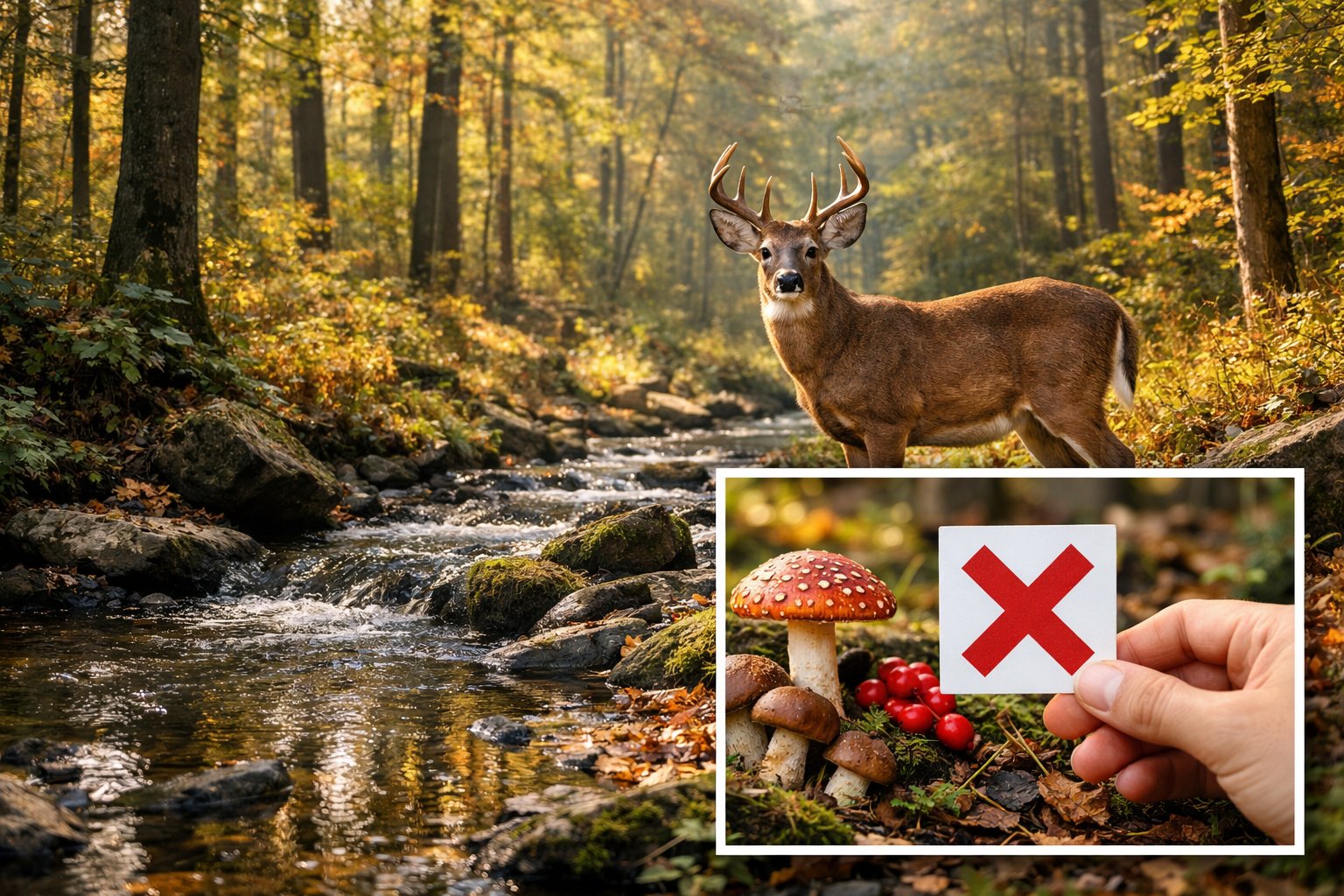
Watch how the deer behaves, and check the carcass closely after you harvest it. Odd behavior, visible sores, or a weird smell should make you pause and ask for advice.
You’ll pick up tips on spotting dangerous signs, knowing when to get meat tested, and how to dodge foodborne illness. It’s all about keeping yourself and your family safe.
Critical Situations When You Should Not Eat a Deer
Skip eating a deer if its health, environment, or how you took it raises any safety questions. Look out for visible illness, prion risks, chemical contamination, and possible lead in the meat.
Deer Showing Signs of Illness or Disease
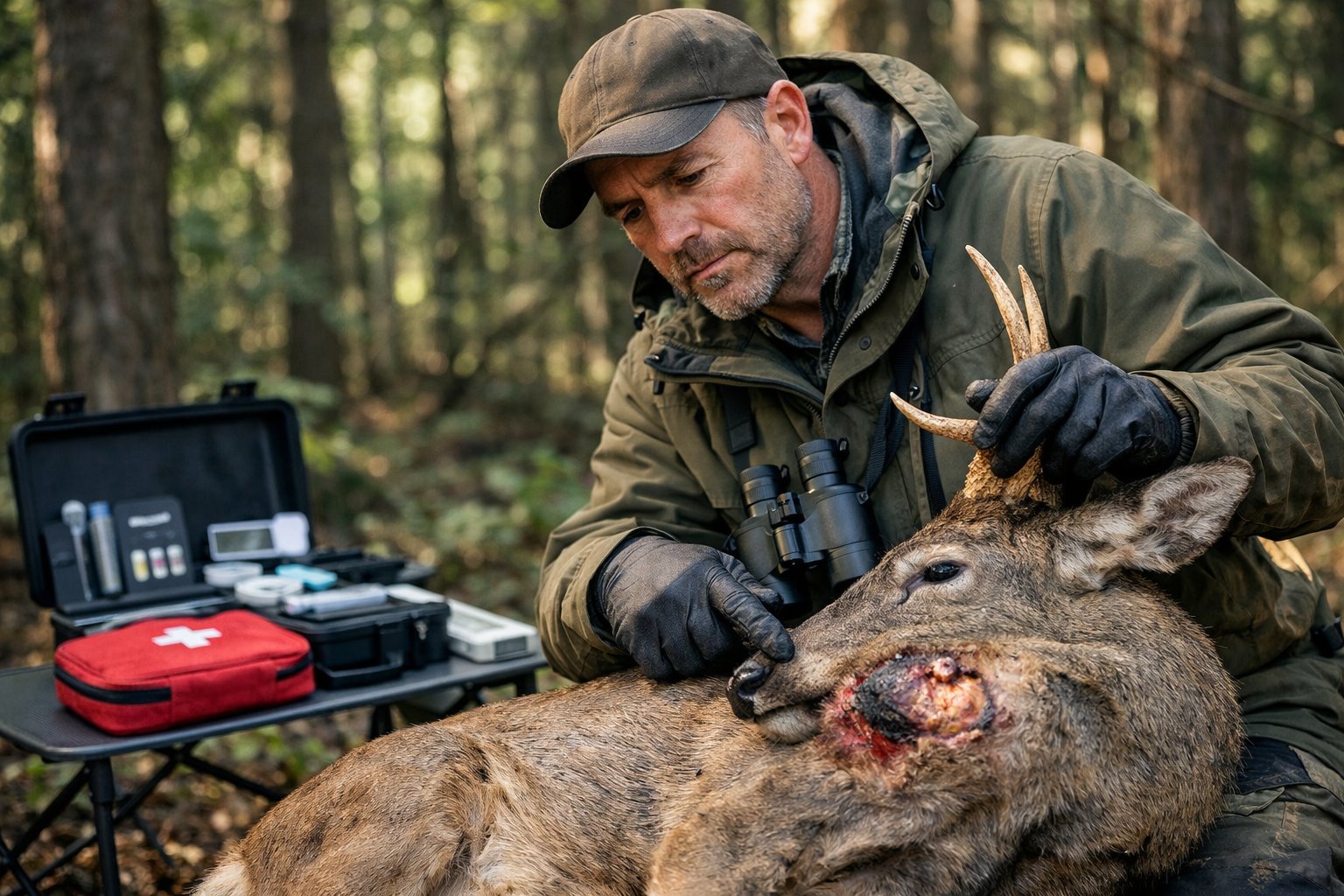
Don’t eat a deer if it looks sick. Watch out for extreme weight loss, drooling, stumbling, or acting oddly aggressive.
Check for visible sores, swollen lymph nodes around the neck or jaw, and weird-looking organs when you field-dress the animal.
If you spot any of these signs, stop processing it and get in touch with your state wildlife agency right away. Wear gloves, avoid cutting into the chest or spine, and don’t eat meat near abscesses or heavy parasites.
Sick animals can carry bacteria or parasites that cooking might not get rid of, especially if the tissue’s really damaged.
If you find a deer that’s already dead, don’t handle it. Report it to local authorities, especially if you see several animals acting the same way nearby.
Wildlife agencies track outbreaks and can let you know about testing or area closures.
Chronic Wasting Disease and CWD Testing
Chronic Wasting Disease (CWD) hits white-tailed deer, elk, and moose. Prions build up in the brain, spinal cord, eyes, tonsils, spleen, and lymph nodes.
Don’t eat those tissues from any animal that tests positive for CWD.
If you hunt in an area with confirmed CWD, get the head or other required tissues tested by your state wildlife agency before eating the meat. Don’t eat meat from animals that test positive.
The CDC and many wildlife agencies urge caution because prions can survive normal cooking and disinfecting.
Watch for CWD symptoms like weight loss, poor coordination, listlessness, and a droopy head. If you notice these signs while hunting or butchering, bag the carcass for testing and follow local advice on disposal.
PFAS and Chemical Contaminants in Deer
Per- and polyfluoroalkyl substances (PFAS), including PFOS and PFOA, can get into deer meat if animals eat in polluted areas.
If you hunt near known contamination sites—like industrial areas, certain marshes, or places with firefighting foam history—don’t eat the meat until it’s tested.
PFAS pile up in organs and fat, and repeated exposure could cause health problems down the road.
Your state wildlife agency might have testing programs or warnings for places like Clark’s Marsh or other hotspots. If you think there’s a PFAS risk, skip eating liver, kidney, or fatty tissues, and send samples for testing if you can.
Pregnant people and kids should be extra careful with venison from questionable areas.
Check local advisories from your state wildlife agency or health department before eating meat from near industrial or contaminated sites.
Risks from Lead Fragments and Ammunition
Lead fragments from bullets can get stuck in venison and raise blood lead levels in people who eat it. Don’t eat meat around the wound channel or any tissue with tiny metal bits, especially if you use lead ammo.
Trim at least 1–2 inches around entry and exit wounds, and toss any meat with visible fragments. Use X-rays or look closely if you think there might be fragments.
Switching to non-lead ammo like copper or copper-alloy bullets helps keep your meat safer.
If you eat wild game often, get your blood lead level checked now and then. Kids, pregnant people, and anyone with certain health issues should avoid venison that might have lead.
State wildlife agencies and health departments usually share tips on cutting down lead exposure for hunters.
Spoiled or Unsafe Venison: Recognizing and Preventing Foodborne Illness

Check the meat for strong off-odors, a slimy feel, or odd colors. Make sure you handled, dressed, and stored the deer quickly and cleanly to keep bacteria and parasites in check.
Physical and Visible Indicators of Unsafe Meat
Look at, smell, and touch the venison before you eat it. If it smells sour, rotten, or chemical-like, it’s probably bad.
Fresh venison should smell mild and clean.
Check the color and texture. Healthy meat looks deep red to dark burgundy. If you see gray-green, brown, or black patches, that’s a sign of spoilage.
Sticky or slimy surfaces usually mean bacteria are growing, even if the color seems fine.
Inspect the fat and marrow. Yellowed fat or dark, greasy marrow might show age or bad storage.
Obvious mold, green spots, or a strong ammonia smell? Toss it.
Improper Field Dressing, Handling, or Storage
Field dress the deer within two hours in warm weather—waiting longer lets bacteria multiply. Remove organs carefully so you don’t puncture the gut or bladder.
If gut contents spill, rinse the cavity with clean water and cut out any contaminated tissue.
Keep the carcass cool. Hang the deer in shade with good airflow, or use ice packs. Get the internal temp under 40°F (4°C) as soon as you can.
Don’t leave meat in a hot truck or out in the sun during hunting season.
Use clean knives and gloves. Wash your hands and gear with hot, soapy water after handling blood or organs.
Pack meat in clean game bags, then refrigerate or freeze right away. Label and date packages before freezing so you can keep track of storage time.
Parasites, Abscesses, and Bacterial Contamination
Cut away any abscesses or suspicious spots, then throw out the bad tissue. Abscesses often carry bacteria that cooking might not destroy if you don’t remove them completely.
If you spot odd lumps, pockets of pus, or organs that look off, just don’t eat that meat.
Keep an eye out for parasites like tapeworm cysts or visible worms. Sure, proper cooking kills most parasites, but some still carry health risks and usually mean the animal was sick.
If the meat looks heavily infested, it’s best to toss it.
Bacteria like Salmonella, E. coli, and Clostridium multiply quickly if the carcass gets warm. If you smell something foul, notice sliminess, or see the color change fast after field dressing or while storing, get rid of the meat.
When you’re unsure, it’s safer to throw it out—foodborne illness isn’t something you want to mess with.
For more details on spotting spoiled venison and handling it safely, check out guidance on recognizing spoiled meat and preventing spoilage during storage.


