
Ever spotted a deer cooling off in a stream and wondered if it just drops off to sleep there? Nope — deer don’t sleep submerged in water. They always sleep on land, where they can breathe easily, keep an eye (and ear) out, and dash away if something spooks them.
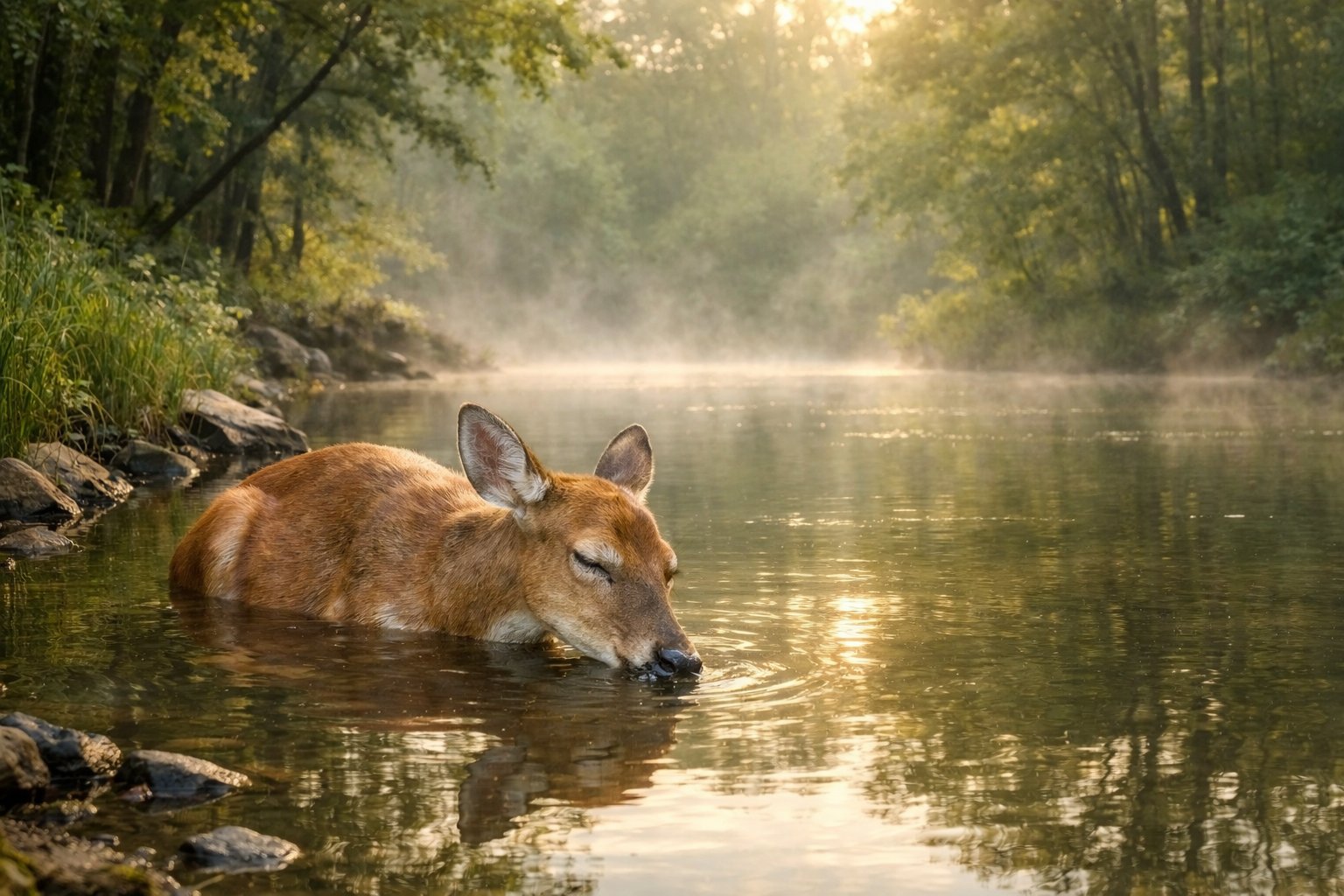
Water definitely helps deer cool off or escape danger, but they still look for dry, sheltered places to rest.
Let’s get into where deer actually bed down, how their naps fit into their daily lives, and what clues you can spot if you’re hoping to find a deer’s resting place.
Do Deer Sleep in Water or on Land?

Deer pretty much always rest on land. They pick bedding spots that offer cover, quick escape paths, and are close to food or water.
Why Deer Avoid Sleeping in Water
You won’t see deer bedding in open water because it puts them at risk from predators and cold. Wet fur just doesn’t keep them warm, so deer steer clear of lying in water for long.
Staying dry helps them hang onto body heat, especially when it’s chilly out.
On land, you can catch more of their behavior. Deer pick spots with tall grass, thick evergreens, or brush piles—places that hide them but let them bolt if needed.
White-tailed deer, fallow deer, mule deer, elk, and moose all stick to dry bedding if they can. Moose sometimes stand in shallow water to feed, but even they don’t sleep there.
Occasional Use of Swamps and Marshes
Sometimes, deer bed down on raised ground inside swamps or on marsh islands. You might spot one in a clump of cattails or perched on a little hummock where the ground stays just dry enough.
These spots give them cover and easy access to food and water, but don’t force them to lie right in the wet stuff.
In places with heavy hunting, deer often move into swampy cover because most people avoid those areas. The National Deer Association and various wildlife studies point out that deer use these spots to dodge disturbance.
Still, they look for solid bedding—brush, grass, or low trees—on slightly higher ground tucked inside the wetland.
How Habitat Choices Affect Bedding Spots
The local habitat really shapes where deer bed. In forests with thick evergreens, deer tuck under low branches to hide and block the wind.
On open farmland, they use hedgerows or the edges of fields. Near rivers and marshes, look along the marsh edge or on tiny islands for raised beds.
Deer juggle three big needs: cover, visibility, and a way to escape fast. If food and water are close, they’ll settle within a short walk.
Hunting pressure, weather, and the type of deer all matter. Mule deer love bushy hillsides, whitetails often use wooded edges, and moose might rest standing near wetlands but still pick dry ground for real sleep.
The Sleeping Habits and Patterns of Deer
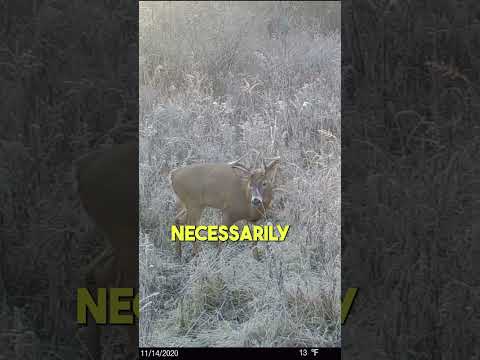
Deer rest in short bursts, always staying alert for trouble. They pick bedding spots that hide them and let the wind carry scents away from danger.
Let’s look at how long they sleep, where they curl up, how they position themselves, and how bucks and does pick different spots.
Deer Sleep Cycles and Duration
Deer don’t sleep for long stretches. They nap for seconds or maybe a few minutes at a time.
A full sleep cycle, with light dozing and deeper rest, can repeat every 20–30 minutes. Over a whole day, they rack up several hours of rest by stringing together dozens of these quick naps.
Even when they’re resting, their ears and nose keep working. Deer wake up fast and leap to their feet if they hear or smell anything odd.
Fawns do about the same, though really young ones spend more time curled up and barely moving.
Where Deer Sleep During the Day
Deer pick bedding areas with thick cover, a decent view, and a wind that carries scents away from where trouble might come.
Common spots include brushy edges, cedar thickets, downed trees, and dips beside ridge tops. These places let them see or smell anything sneaking up.
Whitetails often return to the same beds again and again. In hunted areas, they push deeper into cover or head for steep ravines and thicker woods.
Does with fawns pick places that hide their young and cut down on human and predator scent.
Sleeping Positions: Lying Down vs. Standing Up
Most of the time, deer lie down to sleep. They curl their legs under and sometimes rest their head on their rump to keep warm and stay hidden.
Lying down lets them get deeper rest, but they’re still ready to jump up in a flash.
Sometimes, deer rest standing up—especially if they feel threatened or the ground’s too wet or soft for lying down.
Standing rest lets them take off instantly, but it’s not as restful as lying down. Even with their eyes closed, their ears keep swiveling for sounds.
Differences in Buck and Doe Bedding Habits
Bucks and does pick their beds with safety and the season in mind. Bucks usually settle on open ridge tops or in shallow dips where they can make a quick getaway if they need to.
They really like spots that give them a good view to watch for rivals or any predators sneaking around. You’ll often find bucks out in the open during the day, especially when it’s not rutting season.
Does, on the other hand, look for thicker cover and tucked-away hollows—especially if they’ve got fawns with them. They stick close to feeding routes but always make sure their beds stay hidden.
In winter, both bucks and does might move to beds that offer better warmth. Still, does almost always care more about keeping their fawns concealed than bucks do.


