
You might earn a deer’s trust, but you can’t really turn a wild deer into your pet. If you want to build a relationship, keep your distance, move slowly, and don’t use food as a shortcut.
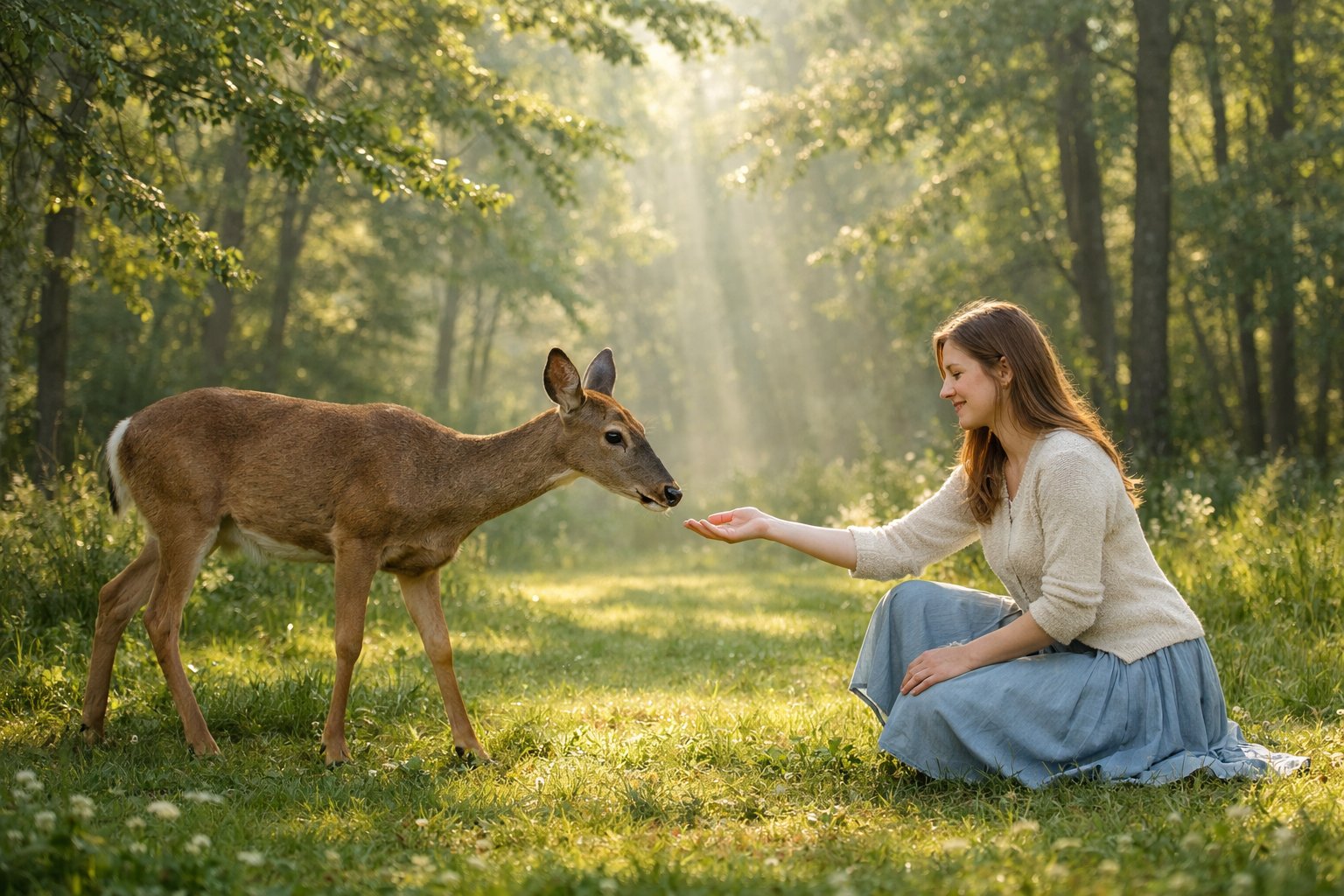
If you crave more than a passing glimpse, let’s talk about what “befriending” a deer actually means. Feeding them can do more harm than good, and there are ways to enjoy close moments without putting yourself or the deer in danger.
I’ll walk you through practical steps for watching and connecting with deer responsibly. Don’t worry—it’s not complicated.
You’ll pick up some easy safety tips and learn how to respect wildlife. That way, you can get closer to deer without messing up their natural habits.
What It Means to Befriend a Deer

Befriending a deer takes patience and a gentle approach. You’ll need to respect their wild instincts and move at their pace.
Don’t expect quick results or much physical contact. It’s more about careful observation and letting them do their thing.
Natural Deer Behavior and Instincts
Deer stay on high alert because they’re prey animals. When they sense danger, they bolt, lift their heads, and their eyes go wide.
They signal with their ears, tails, and posture. If you see a raised tail or hear stomping, that’s their way of sounding the alarm.
Their behavior shifts with the seasons. Bucks get pretty bold during the rut, while does become super protective in spring.
When you’re around, deer might change how they eat or move. It’s best to give them space and avoid sudden moves.
If you watch quietly from a spot at dawn or dusk, you’ll start to notice their routines. Don’t try to touch them—trust me, that’s not the way to win them over.
Understanding Habituation and True Friendship
When a deer gets used to you, we call that habituation—not friendship. You can build some tolerance by showing up regularly, moving gently, and (if it’s even allowed) offering safe foods only once in a while.
A real “friendship” with a wild deer just means it doesn’t mind you being nearby. It won’t come for cuddles or treats, and that’s okay.
If you ever raise a fawn, you might end up with a tame deer, but that causes a whole mess of problems—legal headaches, and the deer loses its wild edge.
Captive deer can get used to people, but deep down, they’re still wild. They don’t forget it.
Keep both of you safe by sticking to routines, never hand-feeding near roads or predators, and never trying to leash or confine a deer. That way, the deer keeps its survival skills sharp.
Risks of Human-Deer Interactions
Getting close to deer brings some risks. Deer carry ticks and diseases that can affect people and pets.
If you hand-feed them, you might cause more car accidents and help spread disease by attracting too many deer to one spot.
Sometimes deer get aggressive, especially during the rut or when does protect their fawns. If you have a dog with you, don’t bring it near deer—dogs make deer panic or get defensive.
Local laws often ban feeding or keeping wild deer. Always check the rules before you try anything.
If a deer shows stress—pacing, stomping, tail up—back off right away and give it space.
Safe and Respectful Ways to Interact with Deer

You can enjoy watching deer without bothering them. Over time, you might build a bit of trust, but it’s all about reading their signals and keeping things safe for everyone.
Even small choices matter—where you stand, what you leave behind, and how often you show up can change how deer behave.
Observing Deer from a Distance
Try to stay at least 50–100 yards away. Grab some binoculars or a spotting scope so you don’t have to creep closer.
Sit or stand quietly downwind from where they usually pass. This way, your scent doesn’t give you away.
Wear earth tones and move slowly. Dawn and dusk are best for spotting deer, but be careful—low light makes it hard for drivers to see you or deer near roads.
Keep dogs on a leash and away from deer. Dogs can scare or even hurt them.
If you spot an injured deer, don’t go near it. Jot down the location and call your local wildlife folks or a rehabber.
They know the local laws and how to handle stuff like chronic wasting disease or ticks that spread Lyme.
Building Trust Gradually
Go to the same spot at the same time so deer start recognizing your routine. For the first few visits, just sit quietly—don’t try to get closer right away.
Let the deer decide how close to get. If one comes toward you, it’s probably getting used to you.
If your area allows it, you might leave a little food on the ground. Only do this if it’s legal, and walk away if the deer seem nervous.
Stop feeding immediately if more deer show up or if you notice aggression, especially during the rut.
Don’t try to touch wild deer. They don’t need it, and it doesn’t help.
If you want to support them, plant native shrubs or trees like clover or oak saplings. Natural food is better than handouts.
Recognizing Deer Body Language
Pay attention to their ears, tails, and how they stand. If a deer pins its ears, stomps, or raises its tail, it’s spooked.
A relaxed deer keeps its head down and chews slowly. That’s a good sign.
During the rut, bucks might lower their heads and stiffen up before charging. Does with fawns get extra protective—give them more space.
If a deer stares at you and sidesteps, it’s checking you out. Stay still and wait for it to relax.
Watch for stress signs: fast breathing, wide eyes, or sudden running. If you see these, back off calmly and give them room.
Learning their body language helps you avoid trouble—for both you and the deer.
Responsible Feeding and Its Consequences
Feeding deer changes how they behave and affects their health. If you want to offer food, stick to things like acorns, clover, or just a bit of plain alfalfa—these foods are a lot closer to what deer naturally eat.
Skip the corn, bread, and salty snacks. Those processed foods mess up their digestion and can even trigger disease outbreaks.
When people feed deer, it often leads to crowding. That’s a recipe for spreading parasites and diseases, and it can make deer lose their natural wariness around humans.
Before you offer anything, check local rules. Many places actually ban feeding deer to keep both people and wildlife safe.
If you feel you absolutely have to feed deer during harsh weather, reach out to your local wildlife agency first. They’ll know the safest way.
Try fencing and deer-resistant plants to keep your garden safe instead of leaving food out. Native shrubs, for example, can really help reduce damage without attracting even more deer.
If you spot more deer than usual or notice sick ones, let wildlife officials know. It’s better to report it than to try feeding or treating wild animals yourself.


