
Most folks see deer as calm, gentle animals. Still, you should know they can act aggressively in certain situations.
Deer usually avoid people, but bucks during rut and does with fawns might turn dangerous if you wander too close.
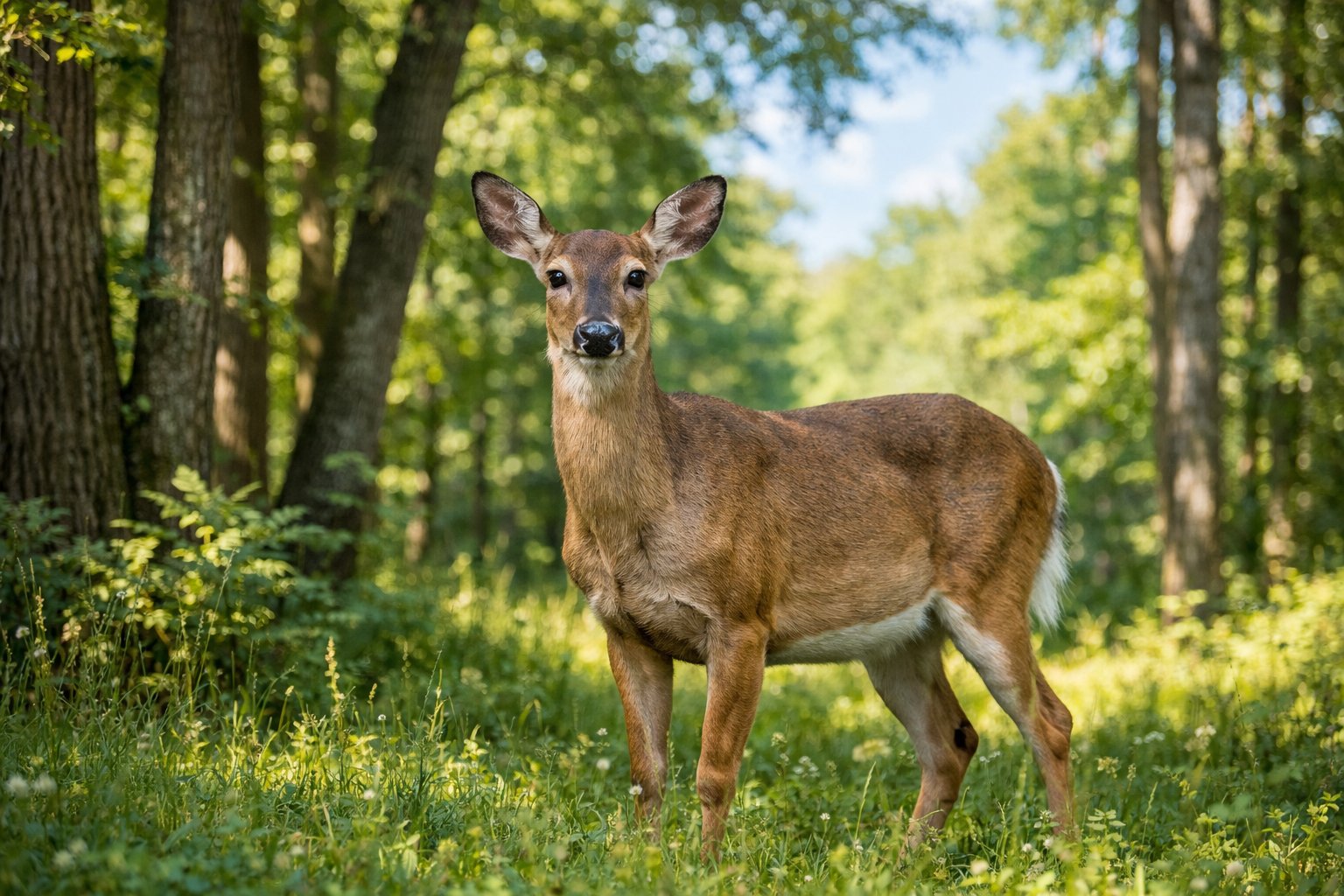
Let’s talk about what makes deer get defensive or bold. I’ll show you how to spot warning signs and share some simple steps to stay safe when you’re near them.
Keep reading to find out when to give deer extra space and how to avoid turning a peaceful moment into a risky one.
Are Deer Aggressive Towards Humans?

Deer tend to avoid people, but sometimes they become dangerous. It helps to know how deer act, what triggers aggression, and how to spot warning signs.
Typical Deer Temperament
Deer are prey animals, so they’d rather run than fight if they sense you nearby.
You’ll usually see them freeze for a second, then bolt away, or just keep a safe distance from trails and yards.
Their personality depends a lot on species, season, and if they’ve dealt with people before. Deer in cities or parks that get food from humans can get pretty bold.
Wild deer that never see people usually stay nervous and far away.
Most deer don’t want to hurt you. They react to threats with speed and silence.
Still, approach any deer slowly and give it plenty of room, especially if it seems way too calm around people.
When Do Deer Attack Humans?
Attacks rarely happen, but they tend to follow a pattern.
You’re most at risk during rut (that’s mating season), when bucks are fighting, or if a doe thinks you’re a threat to her fawn.
Injured or sick deer can act strangely. If a deer is trapped, hurt, or diseased, it might defend itself if it can’t get away.
Tame or park deer that expect food might bite or charge if they feel cornered or annoyed.
Try not to walk between a doe and her fawn in spring or early summer. Stay away from bucks with antlers in the fall.
If a deer charges, get behind a barrier, climb to higher ground, or back away slowly—never turn your back.
Signs of Aggressive Deer Behavior
Watch their body language. Aggressive deer might stomp a front hoof, flatten their ears, or raise their tail.
A buck lowering his head, lifting antlers, or circling you could be about to charge.
Look out for deer moving straight at you or making quick, bounding moves your way.
Snorting, repeated pawing, or hair standing up (that’s called piloerection) means they’re on edge. Sometimes they’ll make odd noises too.
If a deer looks trapped, is bleeding, or acts confused, keep pets and kids away. Call local wildlife authorities.
Don’t try to feed, touch, or corner the animal—doing that just makes an attack more likely.
Want to know more? Check out the National Deer Association’s article: 3 Reasons Deer Attack People.
Main Triggers of Aggression in Deer
Deer mostly keep their distance from people, but certain things can push them to act out.
Pay attention to the season, whether fawns are around, if people feed them, and any signs of illness or injury when you’re near deer.
Aggression During Rutting Season
During rut, bucks get territorial and hyped up on testosterone.
In lots of places, rut runs from mid-October through December, but it depends on where you live.
Bucks focus on mating and might see you, your dog, or even your car as a rival if you move quickly or wave your arms.
Watch for stomping, snorting, a lowered head, pinned ears, or a stiff walk. Antlers can make things dangerous—a charging buck can gore or trample you.
If a buck moves toward you, back away slowly, keep him in sight, and try to put a tree or car between you and the deer.
Protecting Fawns and Maternal Instinct
Does get super protective during fawning season, usually late spring to early summer.
Fawns stay hidden while does feed nearby, so you might not spot the baby until you’re way too close.
A doe will see people or dogs that get close as predators and might bluff-charge or strike to scare you off.
You’ll notice loud snorts, hair raised on the neck, and short, jerky charges.
Keep dogs on a leash and stay at least 25–50 yards from any spotted fawns.
If a doe comes toward you, get behind something solid and move away slowly—don’t run or turn your back, or she might chase.
Habituation and Feeding Deer
When people feed deer, they lose their fear of humans and start expecting handouts.
Habituated deer might wander up to yards, patios, or even cars. If you don’t give them food, they might act pushy or even aggressive to get what they want.
Don’t feed deer, and remove things like bird feeders that spill seed. Lock up compost and garden plants.
If a deer gets too bold, make loud noises, wave your arms, or spray water to teach it to keep its distance.
Habituated white-tailed or mule deer can pass these bold habits on to others in the herd.
Injured, Sick, or Tame Deer
When a deer gets injured or sick, it might act in ways you wouldn’t expect. Since it can’t run off easily, you’ll often notice it looking confused or just standing its ground.
Sometimes, deer suffering from diseases like chronic wasting disease start behaving strangely. They might seem off-balance or just… not right. And if a deer’s gotten too used to people, it might actually act defensive, especially if you catch it off guard or block its path.
Honestly, you should approach any injured or tame deer with a lot of caution. Don’t try to handle or put down a wild animal on your own.
Instead, reach out to your local wildlife agency or animal control. If you spot a deer that looks thin, drools, or moves in a weird way, it’s best to keep your pets and kids away. Let the officials know what you’ve seen.


