
Ever wondered what to call a dead deer? Most folks just say “carcass” or, well, “dead deer.”
Usually, people go with “deer carcass.” That phrase pops up a lot when you’re talking about wildlife, legal stuff, or even just figuring out who’s supposed to clean things up.
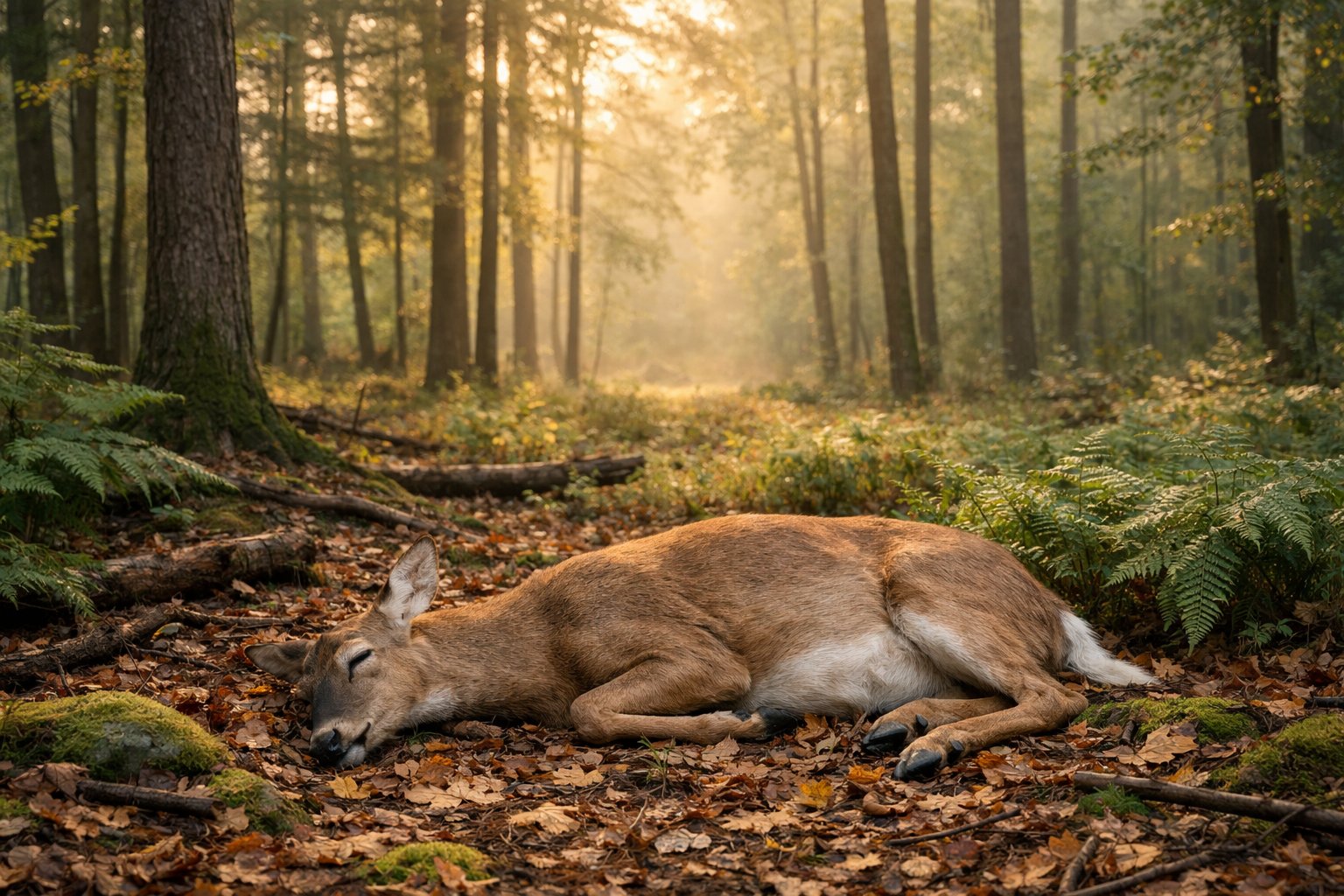
You’ll also run into words like “remains” or “carcass” in wildlife reports. In hunting circles or rural areas, folks sometimes use their own terms, depending on the situation.
Let’s look at the technical, cultural, and even spiritual sides of these words, and why one might fit better than another.
Understanding the Word for a Dead Deer
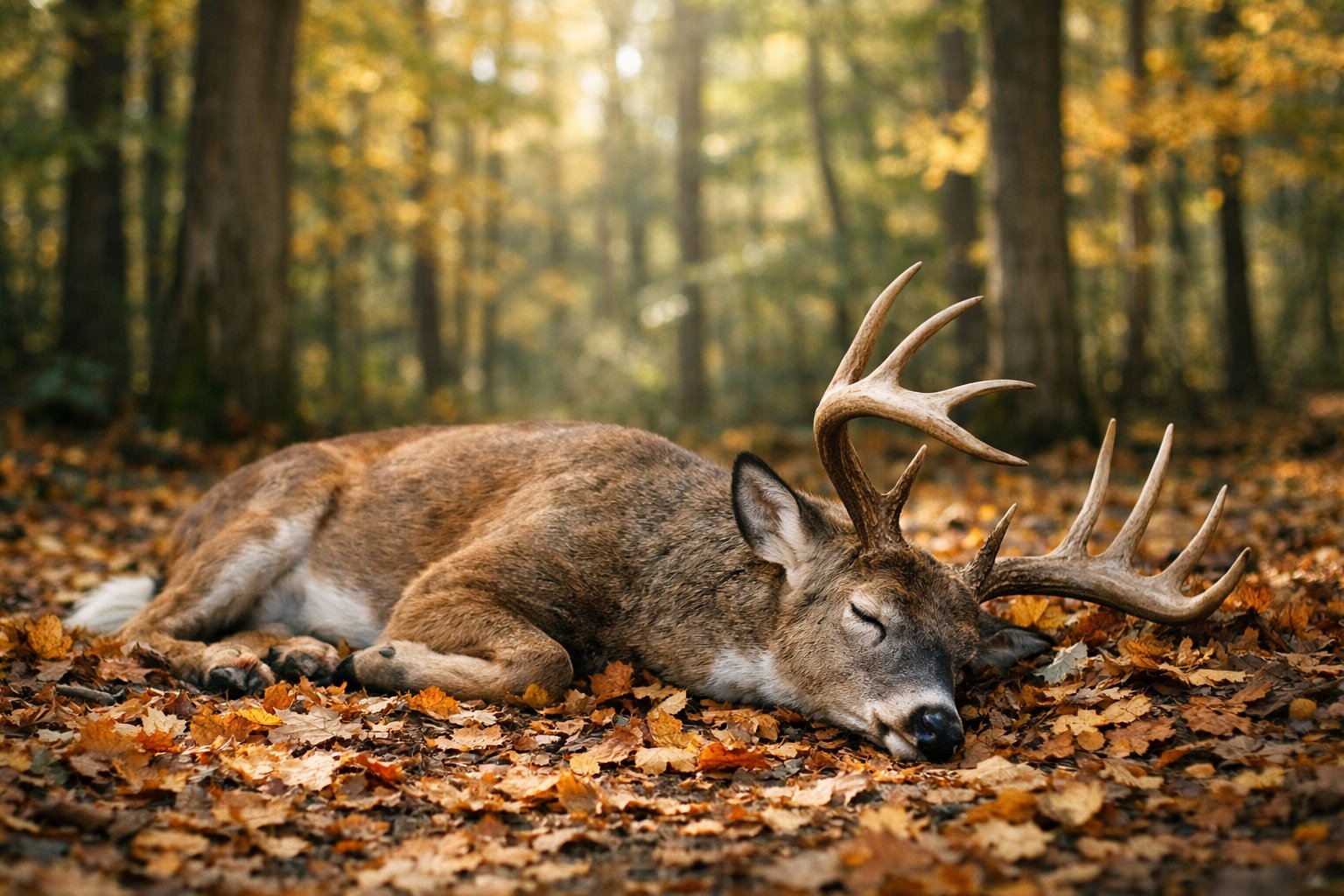
Here’s where you’ll get the specific word for a dead deer, how people talk about a deer carcass, and how that word connects to bigger ideas about deer and nature.
Definition and Terminology
Most people use “carcass” for a dead deer.
You’ll also hear “dead deer” in casual talk, but “carcass” is the term wildlife pros, vets, and legal folks stick with.
A carcass just means the body of an animal after it dies, no matter how it happened—illness, car accident, or hunting.
You might spot words like “remains” or “cadaver” too. “Remains” feels softer and more general.
“Cadaver” usually refers to humans in medical settings, so you won’t see it much with deer.
Wildlife agencies log “deer carcass” or “deer mortality” to keep records clear.
Deer Mortality and Carcasses
Deer mortality covers all the reasons deer die: disease, predators, hunting, or getting hit by cars.
You’ll probably see carcasses along roadsides after collisions or out in the woods after a tough winter.
When someone finds a carcass, officials look at its condition—fresh, decomposed, or scavenged—to figure out how and when the deer died.
If you need to handle a carcass, throw on some gloves and keep your distance.
Carcasses can carry parasites or diseases like chronic wasting disease in some areas.
Wildlife agencies usually offer advice on reporting carcasses, and hunters have rules for tagging and disposing of animals to stop disease from spreading.
Life and Death: Natural Cycles
A deer carcass has a real job in nature’s cycle.
Scavengers—think coyotes, vultures, foxes—eat the carcass and put those nutrients back into the ecosystem.
Plants benefit too, since decomposition releases nutrients into the soil.
That boost helps new plants grow, which ends up supporting more deer and other animals down the line.
After winter, you’ll notice this cycle most. Weakened deer die, and their carcasses feed predators and enrich the soil.
The word “carcass” ties right into these natural processes, and it’s part of how communities keep tabs on deer deaths for health and ecological reasons.
Symbolic and Spiritual Meanings of a Dead Deer
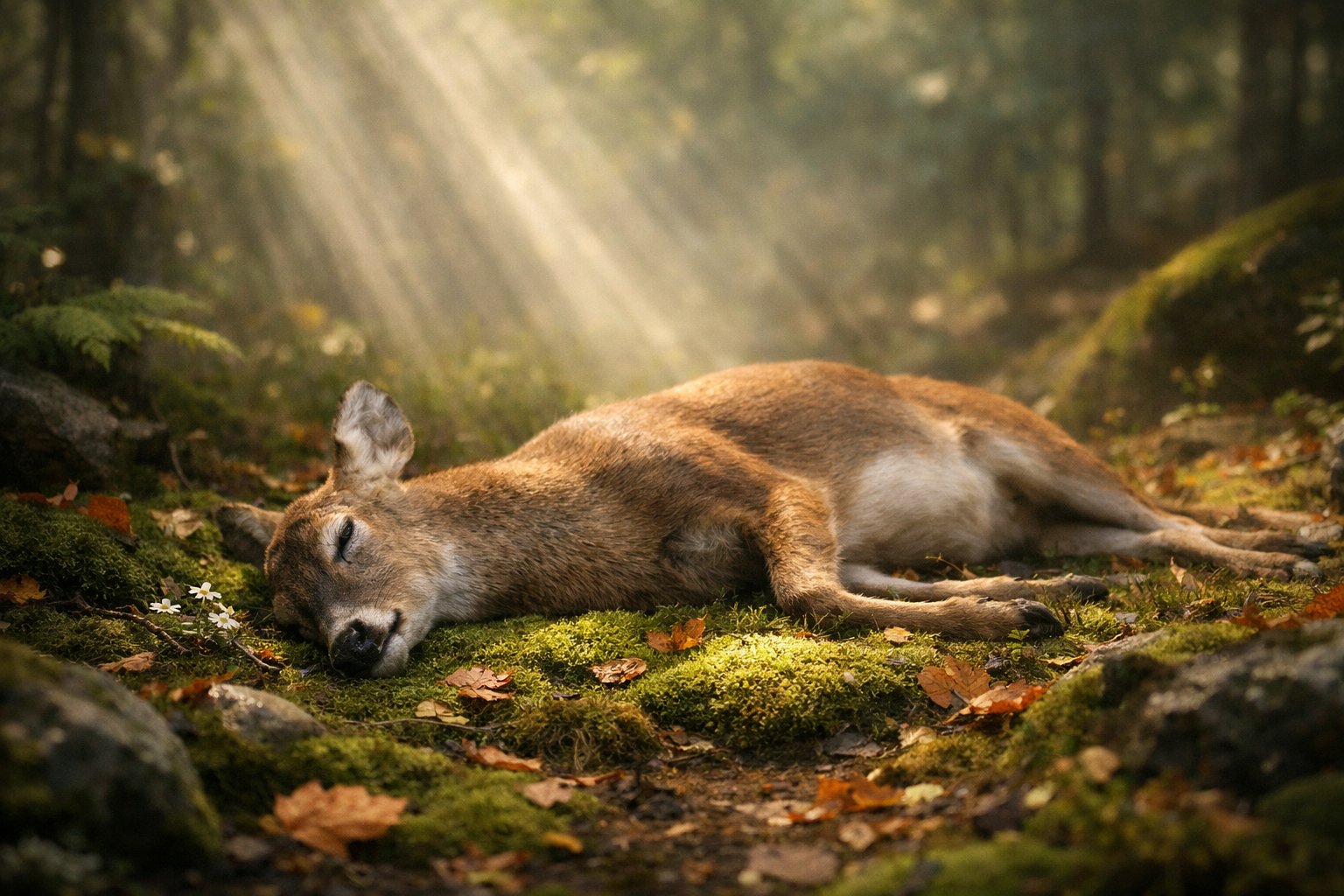
A dead deer can nudge you to notice nature’s rhythms, personal changes, or times when you need to let go.
It might make you think about endings that create room for something new, or remind you to listen to your gut about where you’re headed.
Dead Deer Symbolism in Nature
A dead deer shows how energy moves through the wild.
Its body feeds scavengers and returns nutrients to the soil, making plant life possible.
If you spot a carcass in the woods, it’s a sign of food chains and renewal at work.
Scientists point out that decomposing deer support insects, birds, and mammals.
That process links the image of a dead deer with the idea of renewal and natural order.
It’s not just about loss—it’s about what comes next.
Transformation and New Beginnings
A dead deer can mark the end of one phase and the start of another.
Maybe you’re dealing with a job change, the end of a relationship, or a shift in beliefs.
Seeing one might prompt you to ask what needs to end so something else can start.
It’s a good moment to look at your habits and choices.
A lot of spiritual writers connect dead deer imagery to personal growth and rebirth.
They’ll tell you to let go of what’s holding you back.
Letting Go and Acceptance
Finding a dead deer often asks you to practice acceptance.
Grief, lost plans, or failed hopes might need your attention.
You don’t have to rush the process; the symbol encourages slow, steady reflection.
Try naming the loss, making a small ritual, or jotting down your thoughts.
These simple acts can help you move from resistance to acceptance, opening up space for healing and renewal.
Encounters and Messages from the Spirit World
Some traditions say a dead deer might carry a message from beyond. People often feel nudged to change direction, forgive someone, or pay closer attention to a relationship.
If you think there’s meaning here, jot down the details—where you found the deer, the time, and how you felt in that moment. Those little things can matter.
If you believe in spirit signs, try to see the encounter as an invitation to reflect, not a demand. What action makes sense for your life? Maybe it’s finding closure, shifting your path, or just marking a turning point.
For a lot of folks, that brief pause sparks a whole new spiritual journey.


