
Let’s get straight to it: most deer get up to eat several times a day, usually squeezing in 5–8 short feeding bouts every 24 hours. That’s just how their ruminant digestion works, and the frequency shifts a bit with the seasons. If you want to spot deer activity or make your habitat more appealing, knowing their typical feeding rhythm helps a lot.
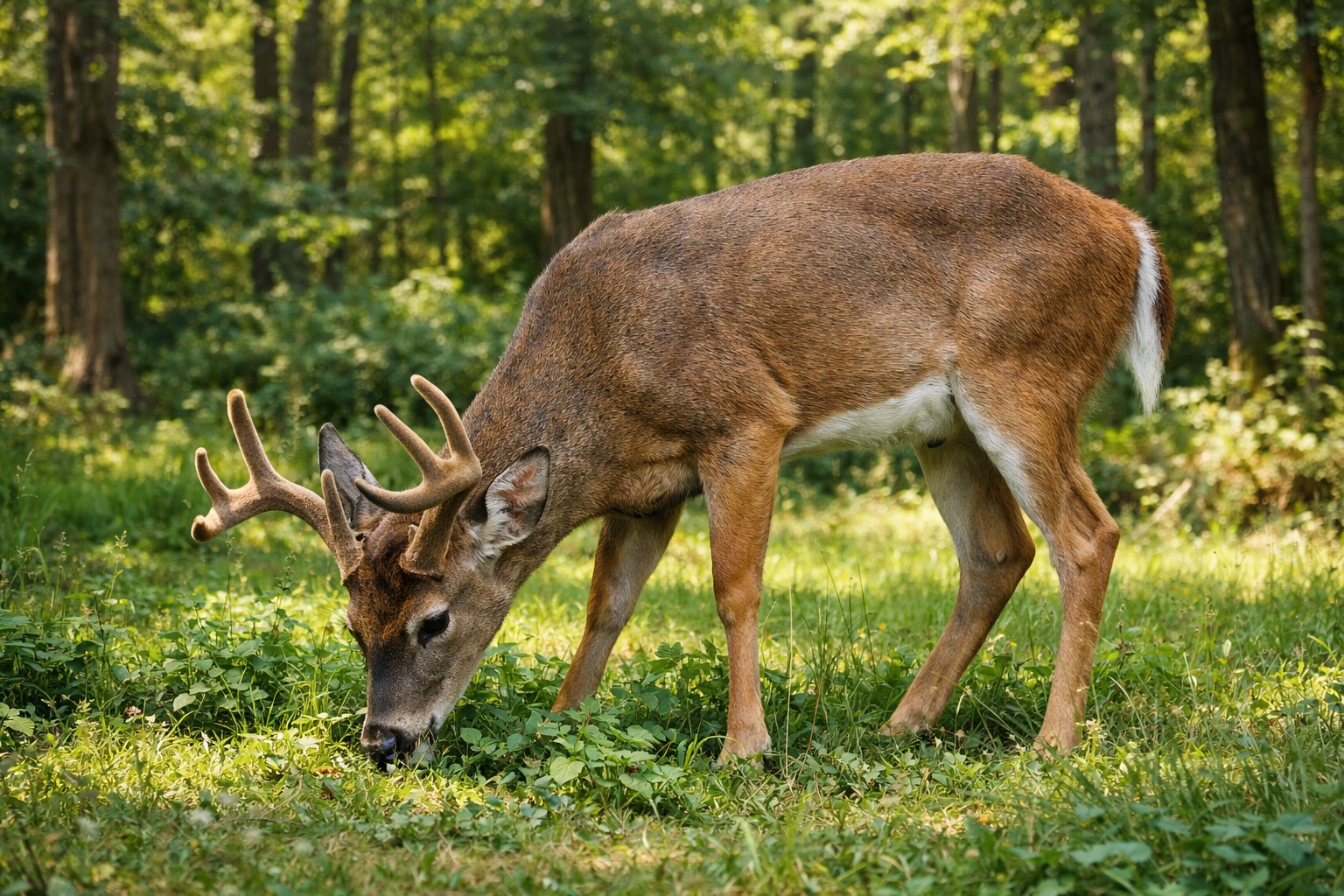
Maybe you’re setting up a trail camera, tweaking a food plot, or just curious about the deer nearby. In that case, let’s break down when those feeding bouts happen, how seasons and health change the schedule, and what factors make deer eat more or less. Stick around to find out when deer feed, why they pause to ruminate, and how to spot signs of fresh feeding areas.
How Often Do Deer Eat Each Day?

Deer don’t just eat once or twice—they spread their meals throughout the day and night. You’ll see how many times that usually happens, when they’re most active, and how their habits shift as the sun goes down.
Typical Daily Feeding Frequency
Most adult deer eat about 4–8 times each day. Each session might last just a few minutes or stretch close to an hour.
Food quality and how safe they feel definitely play a role. White-tailed deer tend to eat more often in spring and fall, but cut back in harsh winters when food gets scarce.
Young deer and nursing does eat more frequently since they need extra calories. Bucks ramp up their intake during antler growth and before the rut. Deer, being ruminants, nibble in small amounts, then go off to ruminate and digest.
If you’ve got a field camera, you’ll notice activity peaks rather than long, lazy meals. Supplemental feed changes things—deer might stick around longer for those.
Crepuscular Feeding Patterns
Deer really love dawn and dusk. Most feeding action happens then.
They take advantage of safer light, cooler temps, and better foraging. You’ll often spot them heading from bedding to feeding areas right around sunrise and sunset.
During these windows, deer linger longer and go for high-energy foods—think acorns, fresh browse, or food plots. If predators or people aren’t around much, deer might stretch their feeding into the broader twilight.
Seasons tweak the timing a bit. Summer still keeps things focused on dawn and dusk. In fall, when deer try to bulk up for winter, those crepuscular feeding bouts get longer.
Day Versus Night Feeding Bouts
Daytime feeding tends to be short and cautious. If there’s a lot of human or predator activity, deer usually just nibble and stick close to cover.
In quieter spots, you might catch more daytime action, but it rarely matches the intensity of dawn or dusk. At night, deer often feed longer and more often, especially where people or hunters are nearby.
They use the darkness to hit fields and browse with less risk. Your trail camera might catch several night visits, sometimes with longer, uninterrupted feeding.
Feeding bout length, number, and timing all shift with food, season, age, and how safe the deer feel. If you want the nitty-gritty, check out research from the Institute for Environmental Research—it’s pretty interesting.
Key Factors Affecting Deer Feeding Frequency
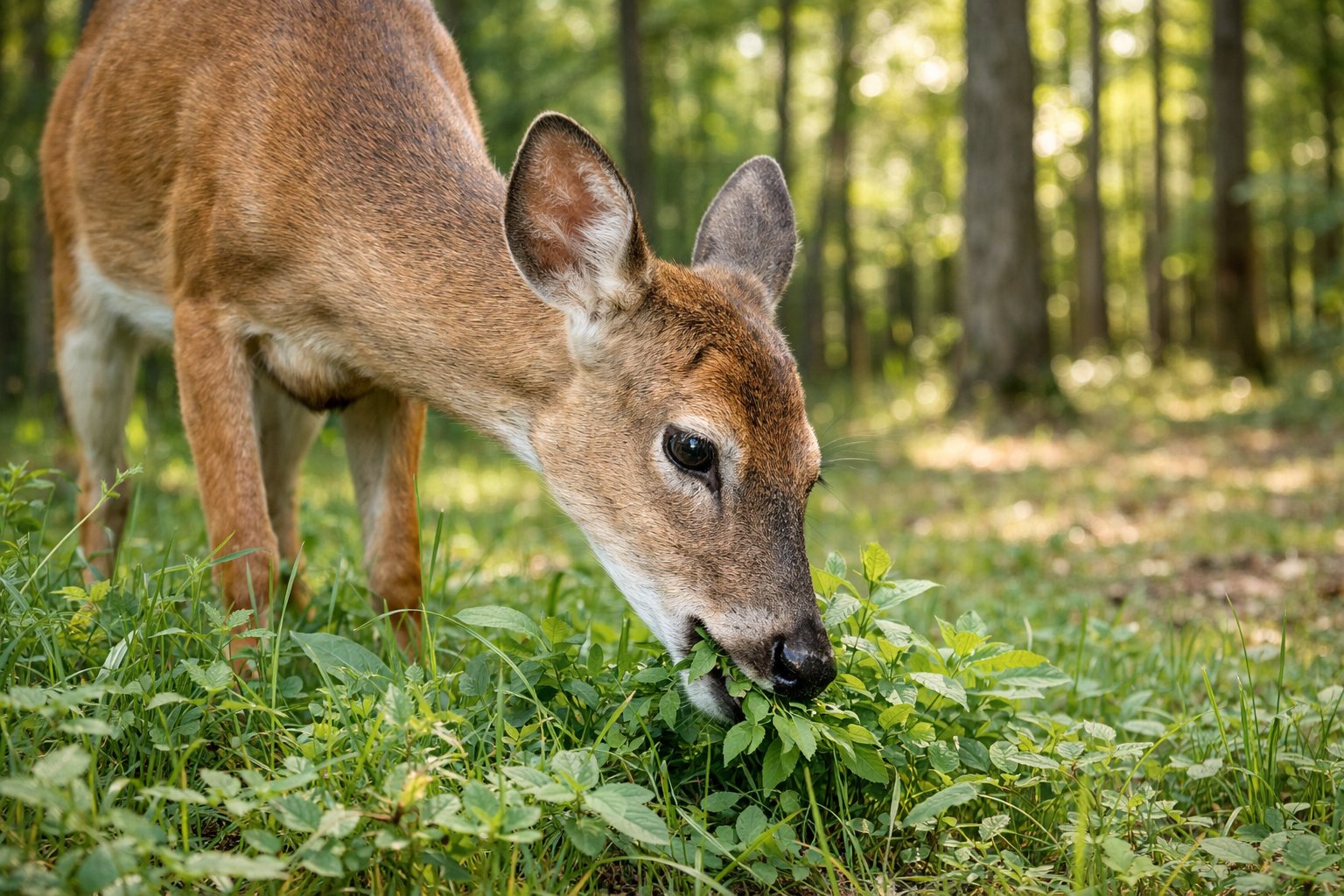
Lots of things change how often deer eat. The calendar, what’s growing, deer age and health, and how people manage the land all matter.
You’ll notice patterns with spring greens, fall mast crops, winter browse, and when farms or feeders add or take away food.
Seasonal Changes in Feeding
Spring and summer bring out leafy greens and forbs—grasses, clover, young twigs. Deer feed more often then because the fresh stuff is packed with protein and easy to digest.
Fawns grow fast, so they nurse often and start on solid food as plants pop up. In fall, acorns, fruits, and soybeans lure deer into longer, more focused feeding sessions as they fatten up for winter.
You might see more daytime activity during years when nuts are everywhere. The rut can throw bucks off their eating, though—they sometimes eat less while chasing does.
Winter’s a whole different story. Deer rely on woody browse, bark, and whatever’s left in food plots.
Snow and cold push them to conserve energy, so they feed in shorter, less frequent bouts. If managers put out corn or hay, patterns shift again.
Food Availability and Preferences
Deer always go for the good stuff first—acorns, corn, ripe fruit. You’ll spot them in soybean or corn fields during harvest.
In forests, mast crops and berries pull them in when they’re available. When the favorites run out, deer switch to twigs, buds, and bark.
Food plots with clover or brassicas can keep deer coming back. Some deer get picky, sticking to certain plants, while others just eat what’s around.
If you’re trying to protect your garden or young trees, planting deer-resistant stuff or putting up fencing helps. Wildlife managers use food plots and crop rotation to steer deer movement and boost health.
Age, Sex, and Health Influences
Fawns and young deer need more frequent meals for growth. You’ll spot fawns nibbling between nursing sessions.
Pregnant or lactating does eat more often to keep up their energy. Mature bucks sometimes skip meals during the rut, then pack on pounds afterward.
Sick or parasite-heavy deer slow down their feeding or look for easier-to-digest plants. In crowded areas, food disappears faster, so deer might spend more time foraging or travel farther to find a meal.
Managers keep an eye on these differences to guide harvest goals and feeding plans that support a healthy herd.
Human Activity and Environmental Pressures
Farming, suburban sprawl, and feeding stations really shift how often deer show up to eat. You’ll often catch deer hanging out in crop fields when there’s corn, soybeans, or whatever else is growing.
People who put out bird feeders or toss corn in their backyard end up attracting deer, sometimes way more than they expect. Those spots turn into regular hangouts.
City lights and the constant hum of traffic push deer to become more nocturnal. They end up feeding at night to avoid all the chaos.
When we take away wild spaces, deer lose access to native foods like mast crops and woody plants. So, they wander into yards or nibble on garden plants instead.
If hunters are out and about, deer get sneaky and adjust their routines. They’ll feed when things quiet down, usually early morning or late evening.
You can try fencing, pick smarter spots for food plots, or plant things deer don’t like if you want to keep them out. Local wildlife policies and population controls also play a big part in what deer eat and when.


