
You see deer by the roadside or maybe in your yard and start to wonder—how long do these animals actually live? Wild deer usually make it about 4–6 years, but those in captivity can sometimes reach their teens or even their twenties. Let’s dig into the typical lifespans, some record-holders, and what really shortens or stretches a deer’s life.
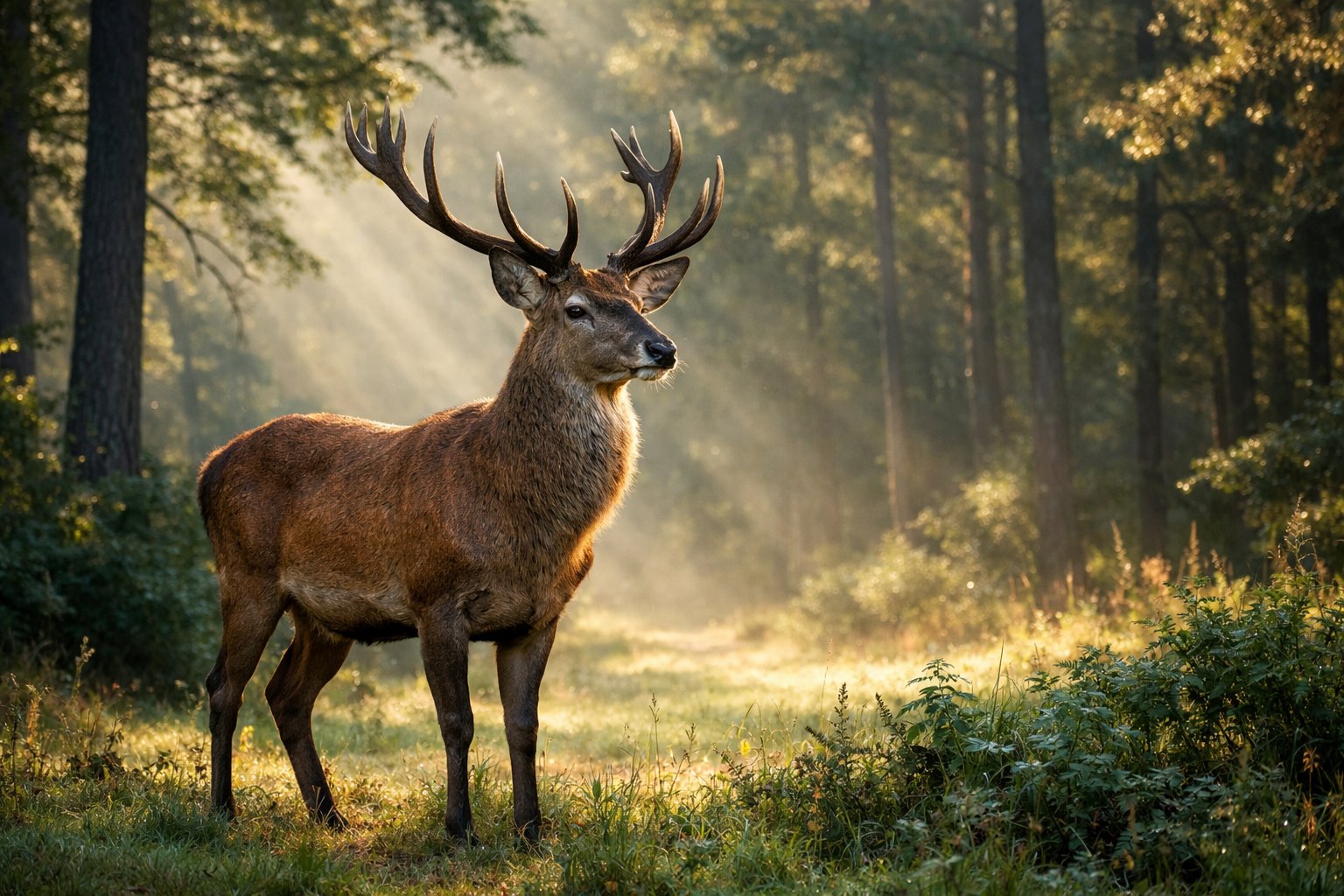
Female deer usually outlast the males. That’s not just a rumor—there are reasons, like predators, disease, hunting, and cars, that cut lives short. Captivity changes everything, too. If you stick around, you’ll see real numbers, some wild record cases, and the main reasons a deer might barely make it a few years—or, weirdly, live for decades.
Typical Deer Lifespan and Record Ages
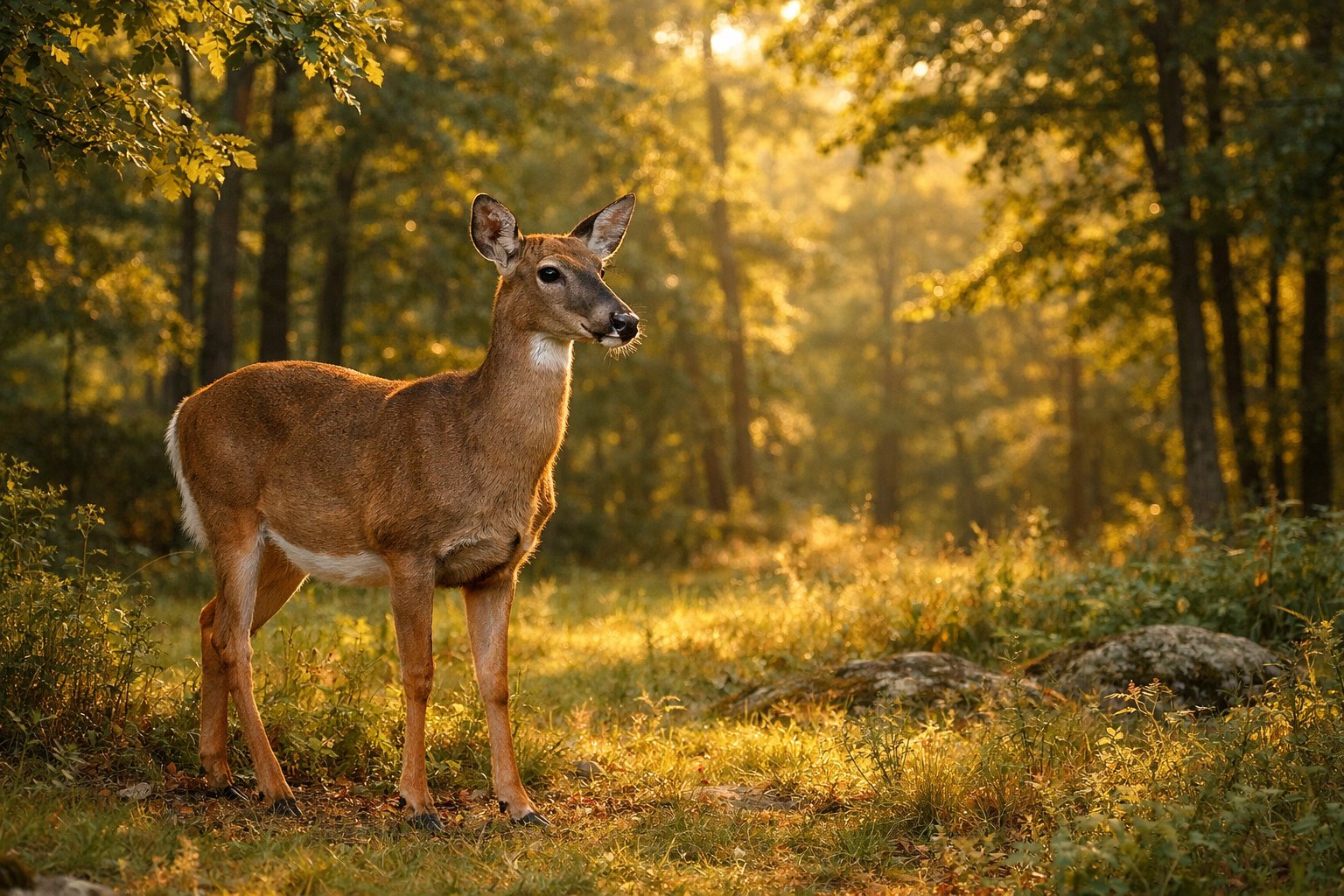
Most wild deer only get a handful of years. Predators, disease, and hunters keep their numbers down. But in safe or managed spots, some deer really push the age limits. Occasionally, a rare old-timer helps scientists learn new things about deer biology.
Average Lifespan of Wild Deer
White-tailed deer in the wild average about 4–5 years. Bucks tend to die younger than does; they face more danger from hunters and from fighting during the rut.
Predators, car accidents, harsh winters, and diseases like chronic wasting disease all take a toll.
Local hunting pressure makes a big difference. Heavy hunting drops the average age, while less hunting lets deer live longer.
Biologists usually figure out age from tooth wear or by tracking marked populations. These methods show that most wild deer don’t make it past 6 or 7 years.
Deer in Captivity: How Long Can They Live?
Take away most threats, and deer can live much longer. Captive white-tailed deer often make it to 12–16 years. Some even live into their early 20s.
In captivity, deer avoid starvation, predators, and hunting. Vet care and better nutrition also help them live longer.
Facilities sometimes report different top ages, mostly because of record-keeping differences. But the jump from 4–6 years in the wild to over a decade in captivity really shows how much environment matters for deer lifespan.
Oldest Deer on Record
Most record ages come from captive deer and zoo records. A few whitetails in managed settings have reached 19 or even 20 years.
Elk and bigger deer in zoos sometimes make it into their early 20s. These are rare, but they set the upper limit for deer lifespans with ideal care.
Wild records don’t come close. Wild white-tailed deer over 15 years old are extremely rare. The few that make it that long usually live where hunting is low and food is easy to find.
Lifespan by Species and Region
Different deer species have their own averages. Wild white-tailed deer usually average 3–6 years. Mule deer in the western U.S. often reach 5–9 years.
Red deer and elk can live longer in good habitats, with wild averages often in the 6–10 year range. Scottish red deer in protected places sometimes get older than those in hunted areas.
Climate, predators, roads, and hunting rules all matter. In the southern U.S., milder winters and plenty of food can help deer live longer than in tougher northern areas.
If you check local wildlife reports, you’ll find specific averages for your region and species. It’s a good way to figure out how long deer near you typically last.
Factors That Influence Deer Lifespan

Plenty of things affect how long a deer lives. Some dangers hit fawns hardest, while others threaten adults more. Food, predators, disease, humans, and weather all play a part.
Predators and Fawn Mortality
Predators take out a lot of young deer. Fawns have a rough time in their first weeks; coyotes, bobcats, and foxes can easily find them where they hide.
If you live where mountain lions or wolves roam, adult deer face more danger, too. Big hawks and eagles sometimes snatch very young fawns in open places.
Your local predator mix makes a difference. Coyotes can really drop fawn survival rates. Wolves or mountain lions add more risk for adults. Wildlife managers sometimes use predator control or add cover to help fawns survive, especially for hunting or conservation.
Disease and Health Threats
Disease can shorten life for deer of any age. Chronic wasting disease (CWD) slowly destroys infected deer and lowers survival in herds where it spreads.
Epizootic hemorrhagic disease can kill a lot of deer quickly during outbreaks, especially in late summer and fall. Bacterial or parasitic infections weaken deer and raise the death rate.
You can spot herd health problems by watching for odd behavior, sudden deaths, or weight loss. Wildlife agencies sometimes ban feeding or baiting to slow down disease. If they see signs of trouble, they’ll usually start testing and management right away.
Hunting Pressure and Human Impact
Hunting kills a lot of adult deer, especially bucks during the rut. Local hunting rules and how many people hunt can really change survival rates.
High hunting pressure lowers the average age and can throw off sex ratios. Car crashes kill or injure over a million deer every year in some places, hitting both young and adult deer.
When people break up habitats with roads or buildings, deer-vehicle collisions go up and deer have a tougher time moving safely between feeding and bedding spots.
Deer management plans, hunting seasons, and bag limits try to balance population goals with hunter opportunity and safety. In areas with little hunting, things like disease and natural causes become bigger threats.
Habitat, Nutrition, and Harsh Winters
When deer find good food and cover, they stick around and usually live longer.
If they get quality forage in summer, they build up fat for winter. Shrubs, mast, and crops all play a role here.
But if nutrition drops off, fawns don’t grow as well. Adults end up in worse shape, so they’re easier targets for predators, disease, or just the cold.
Harsh winters really take a toll. Starvation and exposure hit hard.
Deep snow makes it tough for deer to move or even reach the plants they need, especially for the bigger males.
Good habitat with winter browse, sheltered slopes, and places to hide can make all the difference.
When folks manage habitat—maybe by planting food plots, keeping a woodland edge, or just protecting cover—they actually help more deer make it through the rough months.


