
So, you’re probably wondering: do deer have hair or fur? Deer have hair—a two-layered coat made up of hollow guard hairs and a soft undercoat. This combo gives them both insulation and camouflage.
That simple fact shapes how deer get through cold winters, shed in the spring, and blend into their surroundings.
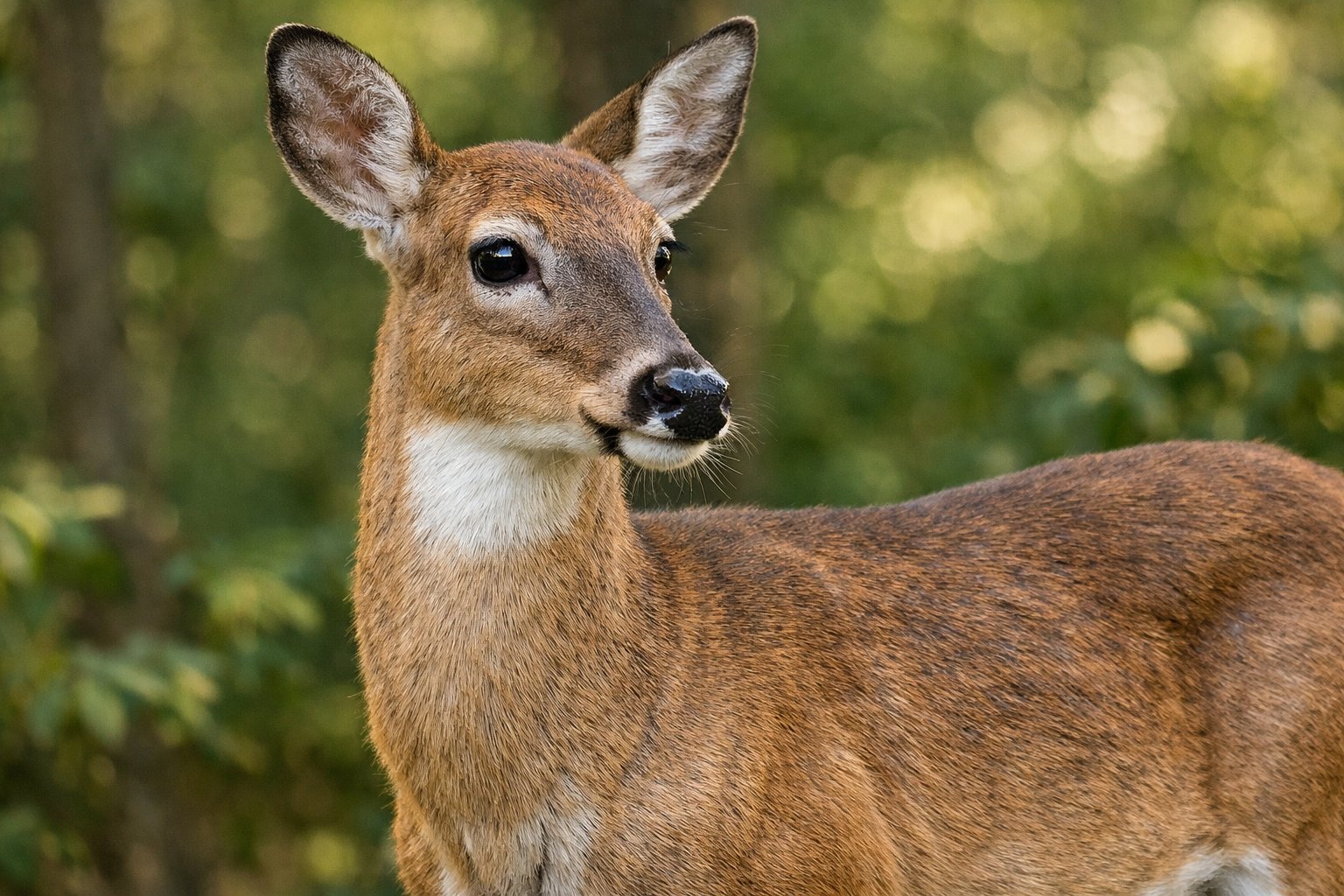
If you dig into the science, you’ll notice that hollow hairs trap air, guard hairs shed water, and coats shift with the seasons and the deer’s health. Next time you spot a deer in the woods, you might actually remember these details.
Hair or Fur? The Science of Deer Coats

Think of a deer’s coat as a jacket that changes with the weather. Scientists have their own way of sorting out “hair” and “fur,” and deer coats have some quirks that make them stand out.
Scientific Distinction: Hair vs. Fur in Mammals
Scientists lump all those keratin filaments on mammals under “hair.” So, your own hair and a rabbit’s pelt both count. People tend to call those thick, double-layered coats “fur,” since they trap air and keep mammals warm.
With deer, “hair” is technically correct. You’ll still hear “fur” in regular conversation, but that just highlights the coat’s density and how it insulates. The differences come down to how dense the hair is, how it grows, and whether there’s an underlayer. Those details decide how well a coat holds in heat or lets it go.
The Unique Structure of Deer Hair
Deer hairs usually have hollow or air-filled spaces inside. These little pockets trap air and slow down heat loss.
In winter, those hollow spaces get bigger, so the insulation improves. Deer hair changes depending on the season and where it’s on the body.
Belly hair feels denser and softer than the hair on a deer’s back. You’ll notice that winter hairs are longer and stiffer, while summer hairs are shorter and smoother.
That switch helps deer stay warm when it’s cold and cool down during the summer.
Layers of the Deer Coat: Guard Hairs and Underfur
Deer coats come in two layers: outer guard hairs and inner underfur. Guard hairs are longer and tougher.
They shed water, block out brush, and give the coat its color and pattern for blending in.
Underfur is short, fine, and packed in tight. It traps air right next to the skin and keeps deer warm.
In the fall, deer grow thicker underfur and longer guard hairs to prep for winter. When spring and summer roll around, they shed that thick underfur. The coat gets thinner, which helps them cool off.
- Guard hairs: keep water out, protect from scrapes, add color.
- Underfur: traps air, insulates, changes thickness with the seasons.
If you want more nerdy details about deer hair and how it keeps them warm, check out this explanation of deer hair structure and winter coat function (https://biologyinsights.com/do-deer-have-fur-or-hair-a-scientific-explanation/).
Seasonal and Individual Differences in Deer Hair
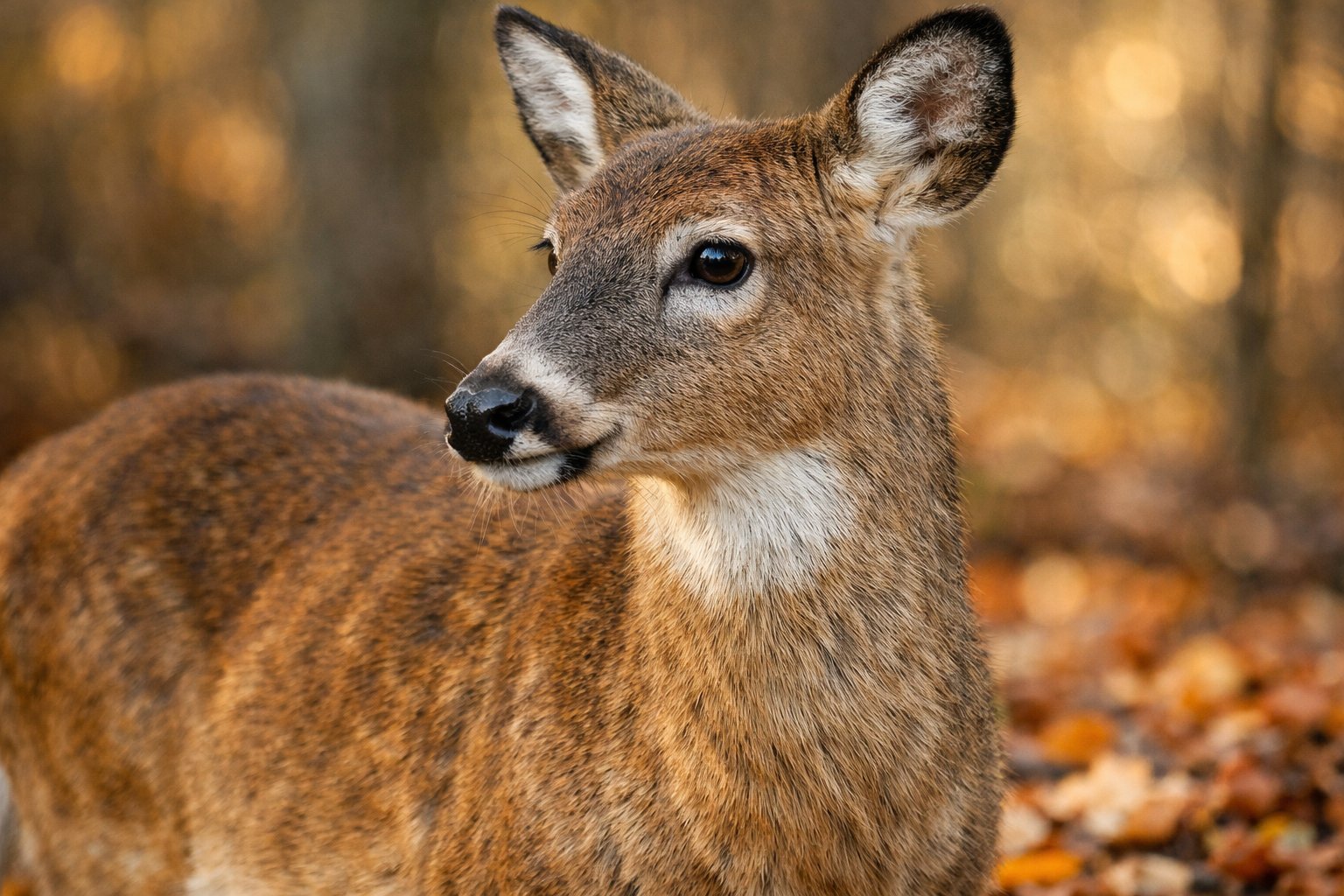
Deer switch up their hair to handle cold and heat. Each deer looks a little different, too, depending on age, sex, and genetics.
These differences matter—they help a deer keep warm, hide out in the woods, and deal with tough stuff like snow or ticks.
Summer Coats vs. Winter Coats
In summer, a deer’s coat is short, thin, and reddish-brown. That lighter coat helps deer blend in among leaves and keeps them from overheating.
There’s not much underfur, so air doesn’t get trapped as much.
By late fall, deer put on a winter coat with long guard hairs and thick underfur. Those guard hairs have hollow centers that trap more air.
Both bucks and does grow heavier coats for the cold. That extra insulation helps them get through freezing nights and deep snow.
Deer can fluff up their hair to trap even more air when it’s bitterly cold. This trick matters most in open areas or near the edge of the woods, where wind can steal body heat fast.
Winter coats also turn more gray or brown, which helps deer blend into the faded winter landscape.
Hair Adaptations by Age and Sex: Bucks, Does, and Fawns
Bucks, does, and fawns all have their own hair quirks. Bucks usually have coarser guard hairs and a thicker winter underfur than does. That’s partly because testosterone and antler growth burn more energy.
Older bucks might show worn guard hairs after the rut, thanks to all the fighting and antler rubbing.
Does keep steadier coats, which helps protect fawns and supports the energy needed for nursing. Fawns are born with a spotted summer coat that hides them in tall grass and saplings.
As fawns grow, they shed those spots for a plain summer coat, and by their first fall, they get a thicker winter coat.
Young deer can struggle with the cold at first because they don’t have much underfur. In places with deep snow or harsh winters, deer really count on thick coats and good shelter to make it through.
Color Variations: White-Tailed Deer, Piebald Deer, and More
White-tailed deer usually switch from reddish coats in summer to gray-brown in winter. This shift helps them blend in with wooded areas and brush.
You’ll spot white patches on their throat, belly, and tail that don’t change much. Those marks help with signaling, especially when they flick their tails.
Piebald deer have big white patches, thanks to some quirky genetics. You might see them any time of year, and honestly, they tend to stand out more to predators.
There are even rarer types, like albino deer, who don’t have any pigment at all. These deer struggle more with predators.
Habitat shapes color, too. Deer living in thick, dark woods often grow darker coats than those wandering open, grassy fields.
Color changes a bit with age. Older deer can look duller, but they don’t really go gray like people do.


