
Ever wonder what actually eats a deer, or where deer fit in the food chain? Wolves, mountain lions, bears, and packs of coyotes usually hunt and eat deer. Scavengers and smaller carnivores show up later to pick over what’s left.

A deer’s diet and digestion as a ruminant—plus the fact that it’s a pretty picky eater—change when and where it feeds. That, in turn, shapes which predators are likely to find it.
As seasons shift, deer move between foods and habitats. The list of animals that might hunt or scavenge them changes too. It’s all connected, honestly.
Let’s dig into the main predators that hunt deer, the scavengers that clean up, and how a deer’s own eating habits and seasonal food choices affect its odds of getting caught.
Primary Foods That Deer Eat
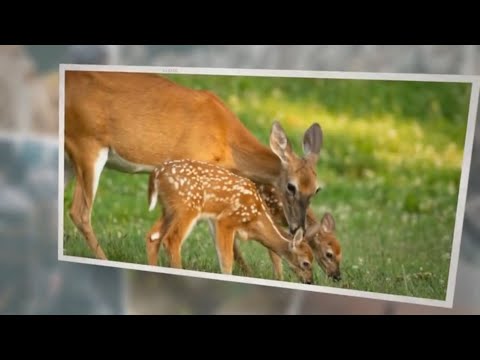
Deer munch on energy-rich nuts, sweet fruits, leafy herbs, and woody plants. Their menu shifts with the seasons, giving them the calories, protein, and minerals they need.
Acorns and Other Nuts
Acorns are a favorite in fall, especially white oak acorns since they digest quickly and don’t taste as bitter as red oak ones. You’ll often spot deer gathered under oak trees if acorns are plentiful.
Hickory nuts and beechnuts also pack in fats and carbs, helping deer put on winter weight. Chestnuts, if they’re around, work just as well.
When soft foods start dropping off in late summer and autumn, deer switch over to eating more nuts. If you manage land, keeping a mix of oaks and hickories makes sure deer have nuts to eat through the tough seasons.
Fruits Deer Love
Deer crave high-sugar fruits for quick energy and hydration. Apples, pears, and persimmons lure them into orchards and even suburban yards.
Berries like blackberries and raspberries feed both fawns and adults in summer. Grapes and crabapples matter too, if they’re growing nearby.
Fruit crops can be hit or miss each year, so fruiting trees and shrubs turn into seasonal hotspots. You’ll see deer hanging around these places in late summer and fall, right before winter when they have to browse more.
Favorite Legumes and Forbs
Forbs and legumes give deer protein and easy-to-digest nutrients in spring and summer. Alfalfa, clover, and especially white clover are top-quality forage. Deer will return to clover and alfalfa fields again and again.
Soybeans and other farmed legumes attract deer in late summer and fall because they’re packed with calories. Forbs include broad-leaved herbs and “weeds” growing in open spots and along field edges. These plants fill up a big chunk of a deer’s diet from spring through early fall, supporting antler growth and fawns.
Woody Browse and Shrubs
When leaves and fruits run low, deer turn to browse—tender leaves, twigs, and young shoots from shrubs and trees. Dogwood, maple, ash, willow, and aspen offer crucial winter food.
Deer prefer young saplings and shoots because they’re easier to chew and digest. Shrubs and understory plants provide cover and a steady food source all year.
If you manage your woods for deer, mixing in shrub layers and young trees keeps browse available, especially in winter when grass and forbs disappear under snow.
Deer Feeding Habits and Seasonal Diet Changes

Deer change up their diet as the seasons roll by. In warm months, they go for tender green plants. When fall hits, they eat more seeds and nuts. Winter pushes them to browse on woody plants.
Spring and Summer Preferences
In spring and summer, deer mainly eat green, soft plants. You’ll spot them grazing on new shoots, forbs, grasses, and fresh leaves from trees or shrubs.
Soft fruits, wild berries, and mushrooms pop up in their diet if they find them. These foods recharge deer after winter and give pregnant does or growing fawns what they need.
Deer also go after garden veggies and ornamentals. Hostas, tomatoes, carrots, daylilies, and tulips? They’re all pretty irresistible. If you plant sunflowers or sweet corn, don’t be surprised if deer sample those too.
They really love young, tender plants, so protecting new seedlings is extra important.
Autumn and Winter Foods
As autumn arrives, deer focus on high-energy mast like acorns, beechnuts, and other hard seeds. These help them build up fat for the cold months.
They’ll still eat soft mast—berries and leftover fruits—but hard mast becomes their main energy source.
Once leaves drop and snow buries the good stuff, deer rely more on woody browse. You’ll see them nibbling twigs, buds, evergreen leaves, and even bark.
Plants like arborvitae, holly, rhododendron, and azalea can take a beating from hungry deer in winter. In really tough regions, deer might even eat lichen, wild mushrooms, or whatever grain or corn they can find near fields.
Deer in Backyards and Gardens
If you’re hoping to attract or keep deer away, pay attention to what pulls them in: food they can reach, a bit of cover, and water.
Deer show up for hostas, roses, potatoes, and vegetable beds. They’ll also snack on whatever spills from bird feeders—corn, sunflower seeds, you name it.
You might spot them munching lawn grass or nibbling at your shrubs.
To keep your plants safe, try putting up physical barriers. Choosing deer-resistant species helps, too, or just remove anything that’s too tempting.
But honestly, “deer-resistant” isn’t the same as “deer-proof.” Staghorn sumac, honeysuckle, even asters—deer might eat those if they’re hungry enough.
If you grow cereal grains, wheat, or corn near your yard, you’ll probably see more deer dropping by.


