
Ever hear a sharp, piercing cry in the woods and wonder what’s going on? Deer mostly cry out to warn others about danger, call for help, or find their family members. If you know this, you’ll start to pick up on what deer are saying with all those strange sounds.

Once you start learning why deer make noise, you’ll notice certain sounds match up with certain situations. Alarm calls, fawn distress bleats, and softer contact calls each tell you something about what’s happening. Let’s break down the most common deer sounds, figure out what they mean, and help you tell them apart the next time you hear a cry in the woods.
Understanding Why Deer Cry Out
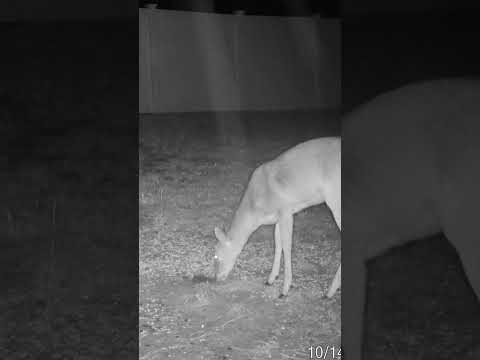
Deer make all sorts of noises to warn others, find their group, or keep themselves safe. You’ll notice that each distress call means something different, and deer don’t really “cry” like humans do.
Screams and snorts? Those usually mean trouble is near.
Deer Distress Calls and Their Meanings
Fawns let out high-pitched bleats when they feel lost or scared. That call helps the mother find her baby fast.
Sometimes a young deer gives a short, nasal bleat if it’s uneasy but not in direct danger.
Does use soft grunts and bleats to check in with other deer nearby. Bucks grunt to show they’re around or to prove dominance, especially during the rut.
Bucks’ grunts sound lower and rougher than what fawns make.
Deer don’t just use their voices. They stomp their feet and snort, too.
A foot stomp warns the group that something isn’t right. When a deer snorts—a sudden burst of air through the nose—it’s basically yelling, “Look out!” to everyone nearby.
Hunters and hikers pay attention to these sounds to figure out if deer sense a threat.
The Difference Between Emotional Crying and Distress Vocalizations
Deer produce tears, but that’s just to keep their eyes healthy—not because they’re sad or happy.
Their calls, like bleats and grunts, have clear survival purposes. Don’t fall into the trap of thinking deer are expressing human emotions.
When you hear a deer cry out, it’s probably sharing its location, warning others, or expressing pain. For example, a fawn’s bleat says, “I’m here!” while a doe’s call might mean, “Come over!”
Even loud, drawn-out calls mostly mean urgency, not sadness.
Physical triggers usually cause these sounds—like getting separated, hurt, or chased by a predator. It’s helpful to focus on what the sound likely means, not what we imagine the deer feels.
Screams and Alarming Noises in Deer Communication
A deer scream is loud and high-pitched, designed to get instant attention. You might hear a scream if a deer is trapped or under attack.
That noise cuts through the woods and tells other deer to run.
Bucks sometimes make a snort-wheeze—a sharp snort followed by a wheeze—when they’re fighting or really agitated.
This isn’t your everyday call; it signals serious alarm or aggression.
Pay attention to patterns: repeated snorts, a few stomps, then a scream? That’s a sign things are getting dangerous.
If you want to dive deeper, check out Biology Insights for details on deer screams or Fauna Facts for common deer noises.
Types of Deer Vocalizations and Their Purposes

Deer have a whole toolbox of sounds to warn, find, or attract each other. You’ll notice calls from fawns, does, and bucks—and each one matters in its own way.
Fawn Bleats and Maternal Responses
Fawns use high-pitched bleats to show hunger, fear, or just to say, “I’m here.” If a fawn gets separated from its mom or wants attention, you’ll hear that plaintive sound.
A doe recognizes her fawn’s voice and usually answers with a lower bleat or a gentle grunt.
This back-and-forth helps them find each other, especially in thick brush.
Mothers also nuzzle and use scent to make sure they’ve found the right fawn.
If you hear a young deer bawling over and over, it probably means it’s hurt or really stressed. People sometimes use fawn calls to attract deer, but those same sounds can bring in predators.
Grunts, Roars, and Breeding Season Calls
Bucks grunt in low tones to announce themselves or court does.
A tending grunt is a steady, low sound bucks make while following a doe that’s ready to mate.
These grunts tell other bucks to back off.
During the rut, bucks might ramp things up with louder roars or growls.
A buck roar means, “I’m ready to fight,” and sometimes comes right before a clash.
A rage grunt or buck bawl sounds harsher and signals strong territorial or mating intent.
You’ll hear whitetail bucks mix up their calls—short grunts to keep tabs on does, louder ones when rivals show up.
Deer calling during the rut attracts does and warns off other males.
Bleat Calls and Social Communication
Bleat calls aren’t just for moms and babies. Does use bleats to keep fawns close, coordinate movement, or signal mild alarm.
You can tell a doe bleat from a fawn bleat because it’s lower and steadier.
In groups, soft, short bleat calls help deer stick together.
They make it easier to keep track of each other when feeding or moving at dawn or dusk.
If something spooks the group, you might hear snorts or snort-wheezes along with bleats.
Those extra sounds boost the odds that everyone catches the warning and reacts fast.
Contact Calls in Herd Life
Deer use short contact calls to check on each other’s position and keep the group together.
Bucks, does, and fawns all make these sounds, but the pitch and frequency shift depending on age and sex.
You’ll notice contact grunts and low bleats most often when herds are on the move.
During migration or feeding, or when deer push through thick brush, contact calls really matter.
One contact grunt might cause the group to pause feeding and scan the area for danger.
But when deer keep making those calls, it usually means they’re just keeping their distance and moving safely together.
If you learn to pick out these calls, you’ll start to get a feel for what deer are up to.
Is that a tending grunt, a contact grunt, or maybe a fawn’s bleat? Knowing the difference can clue you in—are they feeding, fleeing, or maybe in the middle of the rut?


