
You might think deer would taste like beef, but honestly, it’s got a clearer, earthier flavor and a leaner bite. Venison usually tastes rich, a bit gamey, and firmer than beef. You might notice subtle herbal or nutty notes, depending on what the deer munched on.
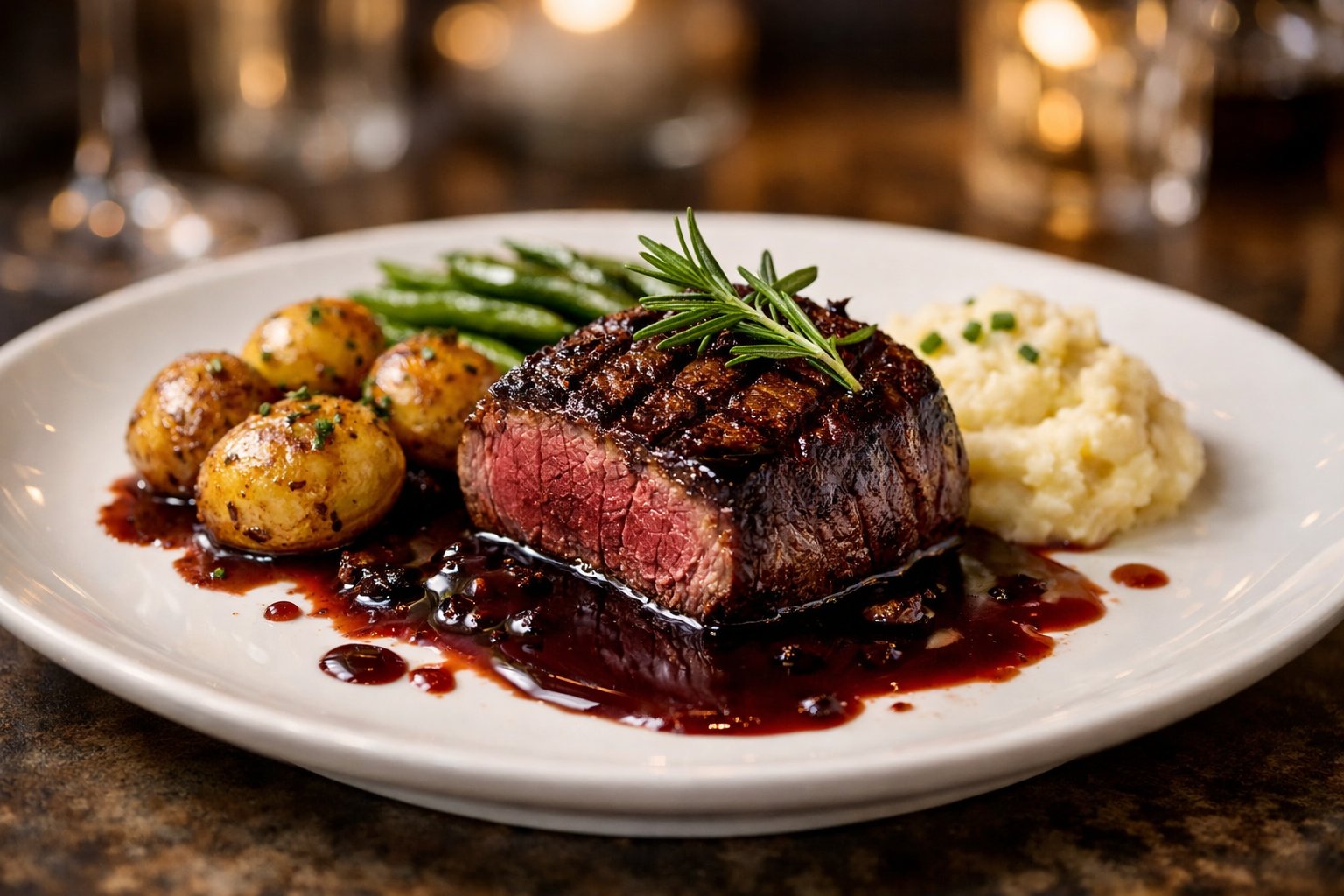
As you read, you’ll find out how the cut, age, and diet shape that flavor. Different herbs and cooking tricks can bring out the best in venison.
This might help you decide if you want to try wild game, cook a tenderloin, or maybe pair a haunch with bold spices.
The Flavor Profile of Deer Meat

Venison tastes lean, earthy, and a lot more flavorful than most farmed red meats. You’ll notice the difference depending on the deer’s age, what it ate, and which cut you use.
What Does Venison Actually Taste Like?
Venison has this deep, almost forest-like flavor. Younger animals taste a little sweeter.
You might pick up hints of nuts, berries, or grasses—kind of wild, honestly. Compared to grain-fed beef, venison doesn’t have that fatty richness, but you get a cleaner muscle flavor.
That makes the taste feel more intense. It’s not always the same, though.
A corn-fed deer tastes milder and a bit sweet, but one that ate oak leaves or wild herbs? Way earthier. You should season venison to highlight, not hide, its natural flavor.
Texture and Juiciness of Venison
Venison’s super lean, with fine muscle fibers. When you cook it right, it turns out tender and almost silky.
But it dries out fast if you overcook it. Steaks and backstrap are best at medium-rare—otherwise, you lose the juiciness.
Tougher cuts like shoulder or shank need slow braising to soften up. People usually mix ground venison with some pork or beef fat to keep burgers from drying out.
Gamey Flavor: What It Means
When folks say “gamey,” they mean those stronger, wild notes in venison. It might taste musky, grassy, or even a little like liver.
Why does this happen? The deer’s diet, age (older bucks can be punchier), hormones during the rut, and sloppy field handling all play a part.
To tone down gamey flavors, trim off fat and silver skin, soak the meat in milk or buttermilk, or give it a light brine. These tricks help mellow strong notes but don’t erase the venison character.
How Deer Meat Compares to Beef and Lamb
Venison falls somewhere between beef and lamb, but it’s closer to a really lean beef. You’ll notice it’s less fatty and packs more flavor than most beef cuts.
It doesn’t have lamb’s lanolin-like tang or fattiness. If you like lean, grassy beef, you’ll probably love venison.
But if you’re all about that rich, fatty lamb mouthfeel, venison might seem a bit cleaner and lighter. Herbs like rosemary, thyme, or juniper can help bridge the flavors if you’re swapping venison into beef or lamb recipes.
You can dig deeper in this taste of venison guide.
What Influences the Taste of Deer Meat?

A few big things change how venison tastes: what the deer ate, how old and what sex it was, how quickly you cleaned and cooled it, and whether it lived wild or on a farm.
All these factors can make the meat milder, stronger, tender, or tougher.
Diet and Habitat
What a deer eats really shapes its flavor. Deer that browse on acorns, nuts, and leafy plants end up tasting richer, nuttier, and earthier.
If they feed near farms—on corn, soy, or orchard fruit—the meat turns out milder and a little sweet. That’s the high-carb diet at work.
Habitat changes things, too. Deer in pine or sagebrush areas can taste a bit herbal or resinous.
Coastal or marshland deer sometimes have a mineral or briny kick. These flavors come from the muscle, not the fat, since deer are super lean.
If you want milder venison, look for animals from farm edges or places with softer browse. If you want bold, woodsy flavors, venison from deep hardwood forests is the way to go.
Age and Gender of the Deer
Age and sex change the flavor and texture. Young does usually give the mildest, most tender meat.
Their muscles haven’t worked as much, so the grain is finer and the bite is softer. Older bucks, especially ones taken during the rut, can taste stronger and muskier.
Hormones and all the running around during breeding season make the meat gamier and firmer. When you’re buying or preparing venison, go for younger animals if you want quick-cook steaks.
Older animals are better for slow braises. Ask the hunter or butcher about age and sex so you can pick the right cut for what you want to cook.
Field Dressing and Handling
How you dress and cool the deer after harvest matters a lot. You’ve got to remove the guts fast and cool the carcass within hours to stop bacteria and off-flavors.
If blood stays in the muscles, cooling takes too long, or dirty skin touches the meat, you’ll get a strong, not-so-great taste. So field-dress right away, cool with air or ice, and keep everything clean and dry.
Aging the meat in a clean fridge for a few days can mellow the flavor and make it more tender. Butchering matters too—leave on silver skin, extra fat, or organs, and you’ll get more gaminess.
If you handle the meat poorly, no amount of seasoning will really fix it. Good field dressing and fast, clean butchering keep the venison at its best.
Farm-Raised vs. Wild Venison
Farm-raised venison usually tastes more consistent, and honestly, it’s often milder than wild game meat.
On farms, people control the deer’s diet and keep their stress low. That means the meat turns out lean and predictable in flavor.
Farmers might feed the animals corn, hay, or some kind of formulated ration. These choices really cut down on those strong, wild notes.
Wild deer? They’re a whole different story.
Their diets shift with the seasons and wherever they happen to live, so each animal’s meat can taste a bit different.
Wild venison brings more complexity and, sometimes, a gamier bite. It all depends on the deer’s habitat and how someone handles the meat after the hunt.
If you’re hoping for uniform results—burgers, sausages, or something for a restaurant—farm-raised venison delivers steady flavor every time.
But if you’re after character and want a true taste of the woods, wild venison can surprise you with unique, forest-driven notes. Of course, it only shines if you field-dress and handle it properly.


