
You can spot a happy deer just by watching how it acts and moves. Look for a relaxed posture, calm eating, gentle tail flicks, and easy ear movements—these are pretty solid signs the deer feels safe and content.
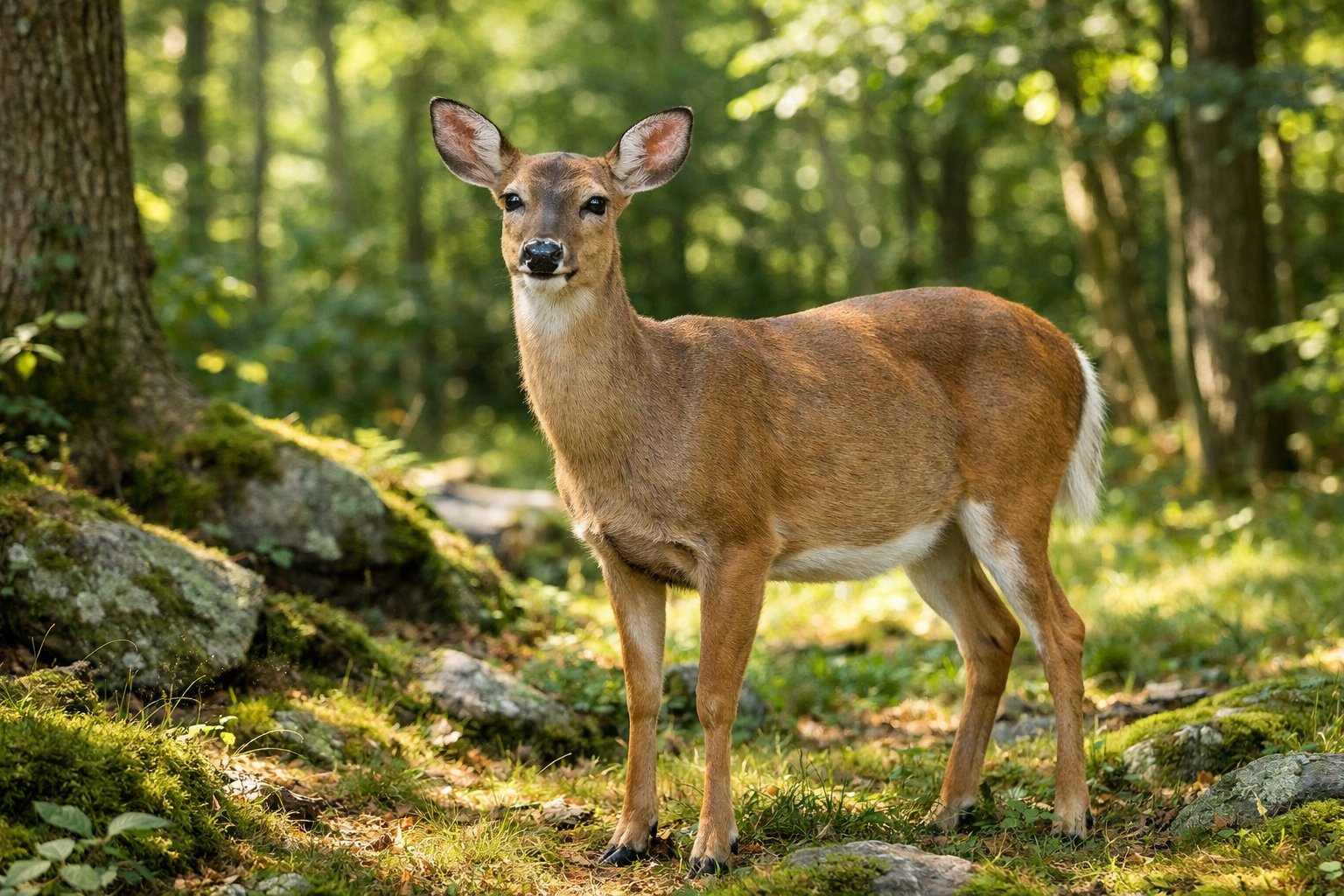
Try to watch quietly from a distance. If you see slow chewing, soft ear flicks, and casual tail swishes, chances are the deer feels at ease.
A relaxed deer will feed calmly, hold its body loose, and show gentle tail and ear movements. Those are clear signs it’s comfortable.
Key Signs of a Happy Deer
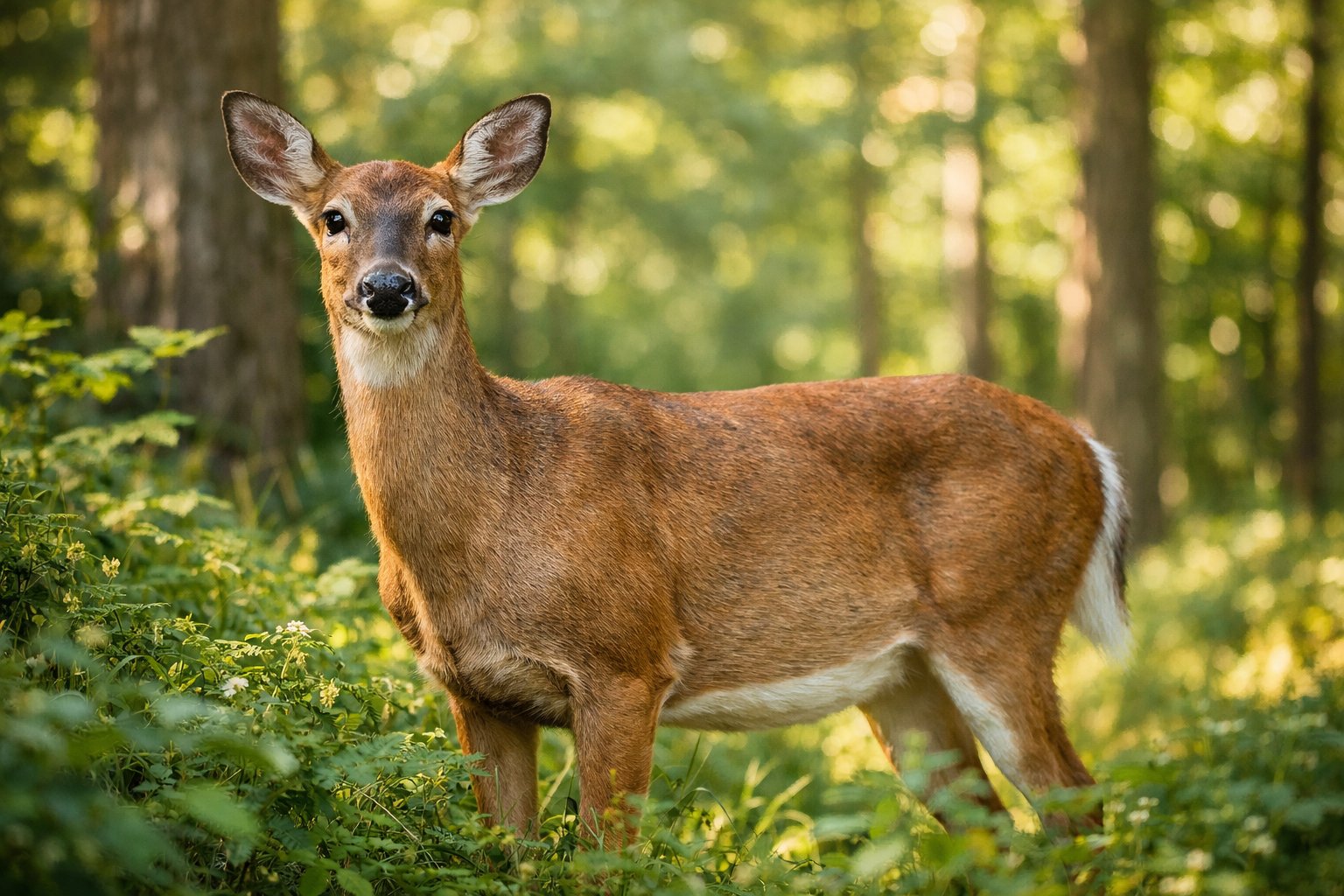
When a deer feels safe, it moves calmly, eats without rushing, and interacts gently with others. Watch for posture, playful moments, and even little sounds or scent marks.
Relaxed Body Language
Loose muscles and a soft stance usually mean a deer is happy. You’ll notice its head stays at a natural height—not craned up or tucked down.
Ears move slowly or rest a bit outward, not snapping forward. If you check the tail, a gentle side-to-side wag or a relaxed hang shows the deer feels at ease.
The gait will be steady and unhurried. You won’t see quick, choppy steps or sudden stops.
Eyes look soft and blink normally. Wide, staring eyes? That’s usually a sign of worry.
Feeding behavior gives you clues too. If a deer chews slowly and grazes out in the open for a while, it probably feels safe.
It’s best not to approach. Use binoculars and keep your distance.
Playful and Social Behaviors
Young deer often show happiness by chasing and leaping around. These playful chases look light and not aggressive at all.
You might spot gentle head-butting among fawns or yearlings. They’re testing strength and building social bonds.
When adult deer lounge close together, it usually means they feel comfortable. Mutual grooming and resting in small groups show trust in the area.
Social feeding—when several deer eat near each other without tension—also means the group feels safe.
During non-rutting seasons, you’ll see calm interactions. In fall, some sparring happens for dominance, but short, gentle clashes without injury still count as healthy social behavior.
If you’ve got field glasses, use them to watch quietly.
Vocal and Scent Cues
Deer use quiet sounds when they’re content. Soft grunts, low bleats, or gentle snorts mean calm communication in the group.
These sounds are subtle, so it’s best to listen from a distance. You don’t want to spook them.
Scent signals matter too. When deer mark with light rubs on plants or brief urine marks, they’re just keeping up normal social links—not warning of danger.
If you see a lot of stamping or heavy scenting, that usually means stress.
Put it all together: calm sounds, normal scent marking, and relaxed body language give you the best evidence a whitetail deer feels comfortable. If you notice tense posture, loud alarm calls, or heavy scenting, the deer’s probably stressed.
Tail Movements and What They Reveal

Watch a deer’s tail—it tells you a lot. Small changes in the way it moves, how high it’s held, or how fast it wags can reveal if the deer feels safe, uneasy, or on edge.
Tail motion, height, and speed, along with body stance and scent, paint a pretty clear picture of its mood.
Tail Swishing and Wagging
A casual side-to-side swish usually means the deer feels relaxed enough to keep eating. If you see slow, gentle swishing while the deer feeds, it probably senses no threat.
Faster, more frequent wagging can show irritation. During the rut, bucks might swish their tails more when chasing or sparring.
Hunters watch for this: a steady, slow swish means you can probably stay put, but abrupt, rapid wagging says the deer’s annoyed and might run soon.
Tail Position vs. Alertness
A tail held low and relaxed points to calm behavior. If you see a low tail and a loose body, the deer trusts its surroundings.
A partially raised tail—about horizontal—shows it’s more alert. You’ll see this when the deer smells something odd but hasn’t figured it out yet.
If the tail tucks tightly against the body, get ready for a quick escape. That tucked tail means flight mode, especially if the deer’s caught your scent.
Flagging and Alarm Signals
When a deer lifts or flashes its tail to show the white underside, that’s called flagging. It’s basically the deer’s way of sounding the alarm for other deer—and, honestly, warning you that danger’s close.
Deer usually flag after they actually see a threat or catch a sudden whiff, like human scent blowing in with the wind. If you’re hunting and spot a flagged tail, the deer probably plans to bolt, and sometimes it’ll even gather up other deer to leave with it.
You’ll notice flagging more in open spaces or if a stag feels trapped during the rut. If you catch sight of that raised white flag, just freeze—any extra movement could give you away.


