
You’ll catch deer nibbling on twigs and buds way before you spot them munching on fallen apples or corn. In winter, deer mostly stick to woody browse—twig tips, buds, and dried leaves—because those foods suit their gut and keep their energy up when green plants disappear.

If you want to help deer in winter, focus on giving them more woody browse and natural forage. Try not to dump sudden new feeds like big piles of corn or alfalfa on them.
This post covers which twigs and buds deer like best, how their digestion works in winter, and safe ways to offer extra food without messing up their health.
Deer’s Favorite Winter Foods and Natural Forage

Deer need high-energy foods and roughage they can dig up or reach, even through snow and ice. You’ll notice them going after woody twigs, nuts, leftover fruit, and any hardy forage that’s still around.
Woody Browse: Twigs and Buds of Trees and Shrubs
Woody browse is just the small twigs, buds, and young shoots from trees and shrubs. In winter, deer chew twigs and strip buds from oak, maple, aspen, and birch to get calories and fiber.
They focus on tender growth. Buds on oak and aspen have fats and sugars that help deer keep weight on. Twigs give roughage for their digestion and often serve as the only green matter when snow covers everything else.
Shrubs are important too. Mountain laurel, rhododendron, and young cedar shoots get eaten if deer find them palatable. You’ll often see deer along fence lines and field edges where these plants poke out.
Hard and Soft Mast: Acorns, Beechnuts, and Fruits
Mast means nuts and fruits that pack energy. White oak acorns and beechnuts have plenty of fats and carbs and turn into prime winter fuel.
Soft mast like persimmons, crabapples, and leftover blackberries add sugars and moisture. When mast crops are good, deer will hunt for fallen and hanging fruit.
Different mast types digest differently. Soft mast gives quick energy, while hard mast like chestnuts and acorns provides calories that last longer. If you’ve got oak or beech trees around, expect deer to hang out there.
Winter Staples: Alfalfa, Clover, and Grasses
Fields of alfalfa and clover help deer get protein and calories in winter. Deer eat standing alfalfa, clover, and leftover wheat stubble when snow isn’t too deep or they can paw it aside.
Alfalfa hay bales draw deer when natural forage runs low. Alfalfa and clover offer more protein than most woody browse, which helps does stay healthy and fawns survive the cold.
Grasses give deer bulk and fiber. Even though they’re lower in calories than mast, standing grasses and wheat keep digestion moving during winter.
Evergreen Browse: Pine, Fir, Spruce, and Cedar
Evergreen leaves and new shoots give deer an option when snow buries everything else. Pine needles, fir tips, spruce twigs, and white cedar foliage supply moisture and a few nutrients.
Deer don’t eat every evergreen the same way. Juniper and arborvitae get nibbled a little, but white cedar and some firs get hit harder because deer like them more.
Evergreens also block wind and give cover, so deer feed there more often. If you see stripped lower branches and chewed tips, that’s a sign deer have been there lately.
If you want more info, check out these links: details on woody browse (https://deerassociation.com/provide-emergency-winter-deer-food/) and why feeding can help but also be risky (https://scienceinsights.org/what-wild-deer-eat-in-the-winter-and-why-you-shouldnt-feed-them).
Digestive Adaptations, Supplemental Feeding, and Deer Health
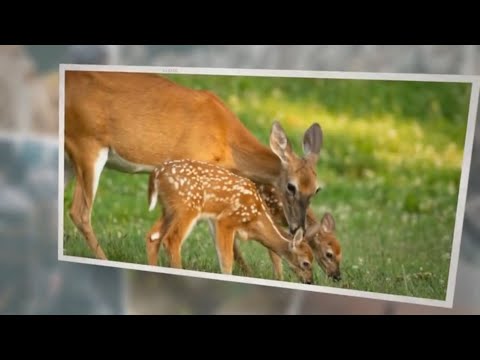
Winter pushes deer to eat mostly woody browse, buds, and any leftover mast. Their stomach and gut microbes shift so they can pull energy out of high-fiber plants. But if you suddenly change their diet or crowd them at feeders, you can cause real harm.
How Deer Digest Winter Foods: The Rumen and Microbial Changes
The rumen works as the deer’s fermentation chamber. In winter, bacteria that break down cellulose and lignin take over, letting deer get energy from twigs, buds, and cedar needles.
That change takes weeks, so their gut can’t handle new foods all at once.
If you dump high-starch feed like corn or soybeans, fast-growing bacteria crank out lactic acid. The rumen’s pH drops, good microbes die, and the deer stops absorbing nutrients. Sometimes, they can even starve with a full belly.
You can help their digestion by keeping them on browse and mast. Planting oaks or keeping native shrubs around helps deer build up fat before winter. Try not to make sudden diet changes for wild deer.
Risks and Guidelines for Supplemental Feeding
Supplemental feeding can boost calories short-term, but it’s risky. When you offer corn, deer pellets, or grains, you crowd deer together and push their gut microbes toward starch digestion. That can cause rumen acidosis and even sudden death in days.
If you’re set on feeding, stick to these basics:
- Use formulated deer pellets or high-fiber feed, not just plain corn.
- Feed small, steady amounts—don’t pile it up.
- Stop feeding before natural browse comes back so deer don’t get dependent.
Always check local rules and advice from wildlife managers. Some conservation groups and state agencies ban or limit feeding to cut down on disease and habitat damage.
Disease, Nutrition, and Wildlife Management
When people set up feeding sites, deer end up crowding together. That close contact spreads diseases like Chronic Wasting Disease (CWD) and other nasty infections.
CWD prions move through saliva and feces, sticking around in the soil and feed areas for years. It’s unsettling to think about, but crowding also bumps up parasite loads and makes respiratory diseases more likely.
Nutrition isn’t just about calories. Diets heavy on starch but light on fiber can weaken deer immunity and mess with their ability to reproduce.
For the long haul, it’s smarter to improve habitat. Try planting mast-producing trees, protecting wintering spots, or using selective timber harvests to encourage native browse.
Before you start feeding, talk to your state wildlife agency or a local conservation group. They’ll help you figure out safe practices and warn you about disease risks in your area.
Every choice you make influences deer behavior, herd health, and the landscape itself.


