
Ever wake up to a sharp, dog-like bark outside your window and wonder what’s actually happening? Deer bark at night to warn others of danger, signal distress, or just react to sudden surprises. If you hear a deer bark after dark, the animal probably sensed a threat and wants to alert nearby deer.
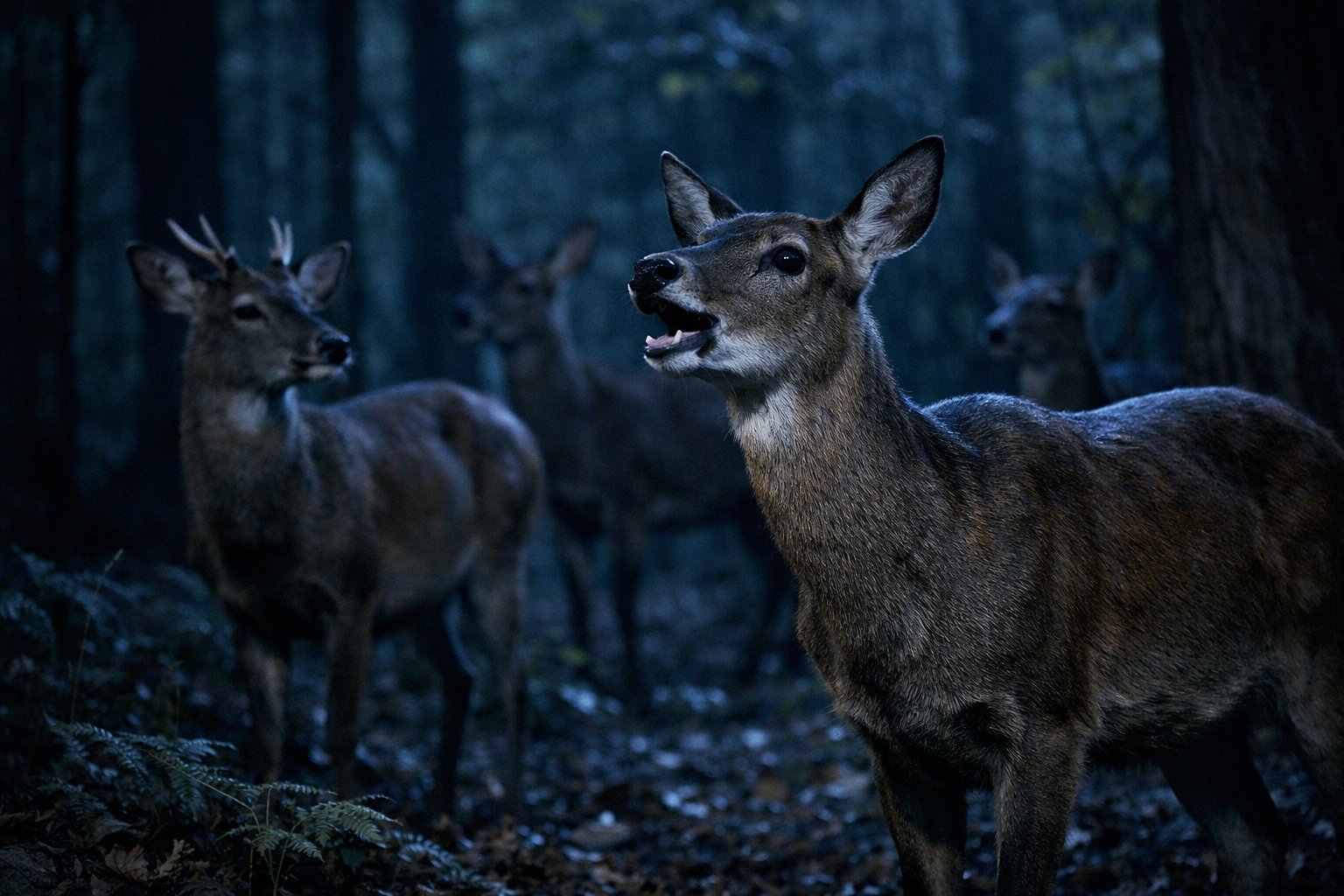
Different species and situations shape those sounds, from territorial calls to alarm barks. Let’s dig into why deer pick the cover of night to vocalize, and what makes barking more likely.
Why Deer Bark at Night

You can spot a few clear reasons for deer barking at night: they warn others, react to activity, and use calls to send signals. Different species make similar sounds, but for their own needs. If you listen for pitch, pattern, and repetition, you might figure out what a deer means.
Warning Signals and Predator Awareness
When a deer barks at night, treat it as an alarm. A short, sharp bark means a deer just noticed a threat—maybe a coyote or a human. That bark tells other deer to freeze, run, or hide.
You might also see stomping or a raised tail with the bark. Those visual cues reinforce the warning.
If barking repeats quickly, the deer probably feels cornered or really agitated. Female deer bark to protect fawns, and bucks can bark if they sense a rival or predator. The sound carries well in the dark, giving other deer time to react.
Nocturnal and Crepuscular Behavior
Deer usually stay busiest at dawn and dusk, but in places with lots of people, they move more at night. Nighttime helps deer avoid predators and people. You’ll hear barks when deer cross yards, fields, or roads in low light.
Artificial lights, traffic, and dogs can change when and why deer call out. If deer feel safer at night, barking helps them coordinate feeding and travel. Listen near shelter edges and hedgerows—those are common spots for nocturnal deer to bark when they sense trouble.
Communication Between Deer
Barking is just one sound in a deer’s toolkit. They also grunt, bleat, and snort. Alarm barks come out abrupt and high-pitched, while contact calls sound softer—usually between a doe and her fawn.
Deer use barking to share location, signal danger, and keep their group together at night. Bucks might add grunts during the rut, and does mix barks and bleats to move fawns. If you count the barks, a single one often warns, but a whole series suggests rising concern.
Species-Specific Barking: Muntjac, Fallow, and Red Deer
Muntjac (Muntiacus species) really stand out for their loud, dog-like barks. A common muntjac or Muntiacus reevesi gives sharp, repeated barks that can definitely startle you at night. Their calls work for alarm and territory, and females might bark to attract mates or keep rivals away.
Fallow deer and red deer bark too, but their tones differ. Fallow deer give off harsher, shorter barks when alarmed. Red deer make lower, louder alarm calls—during rutting season, males add roars and other sounds. White-tailed deer can bark as well, but their alarm usually starts with a snort followed by a short bark. Each species has its own pitch and pattern, so listening closely helps you figure out who’s calling.
Environmental and Social Factors That Influence Barking
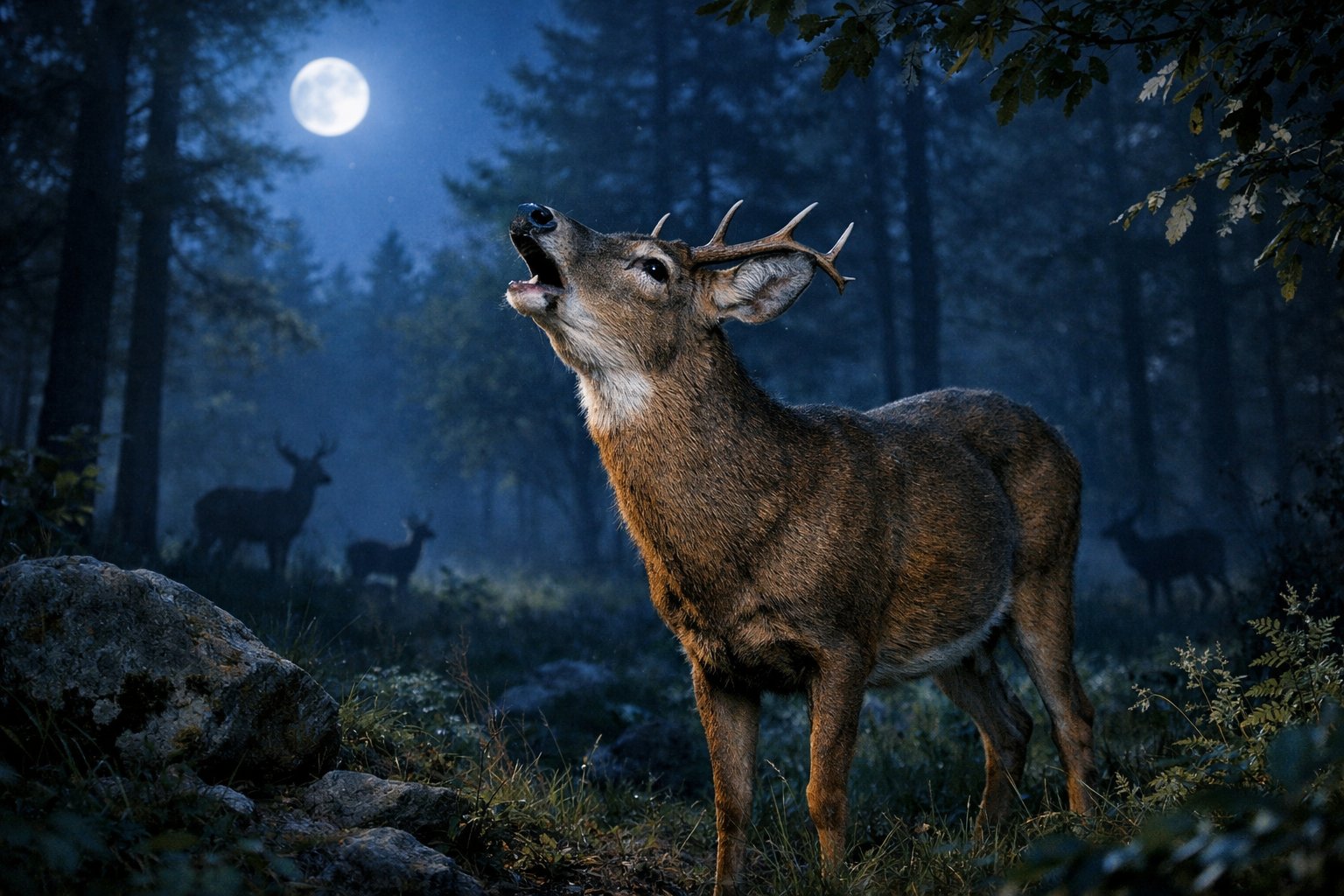
Deer bark more at night when their safety, food, or social needs shift. Human activity, predators, and breeding cycles all play a role in when and why they call out.
Human Disturbance and Habitat Fragmentation
You’ll hear more deer barks where people move or build near woods. Roads, houses, and trails push deer into smaller forest patches. That makes them more alert at night, since daytime spots feel risky.
When habitat fragmentation forces deer into tight corridors, they bark to signal that someone or something is nearby. Night barking goes up where artificial light and traffic keep deer hidden by day. In places like park edges or near farms, frequent human presence nudges deer to move after dark. If you live near fragmented woodlands or see deer using narrow tree strips between houses, expect more frequent barks.
Hunting Pressure and Food Availability
You’ll notice deer bark more where hunting happens a lot or food runs low. Hunting pressure teaches deer to avoid moving in daylight and to call out when startled at night.
Food shortages shift barking too. When natural browse or mast drops, deer travel farther at night to find food. More movement means more risky encounters and alarm calls. If you visit places with seasonal food changes—like oak stands losing acorns or bluebell clearings in spring—you might hear more barks as deer search and react to sudden noises.
Role in Breeding and Territory
You can hear distinct barking during the rut and when bucks defend territory. Male deer bark to challenge rivals and show dominance during breeding season. These calls happen at dusk and at night when deer get more active.
Females and young might bark if startled while moving between feeding and bedding areas during rut. In national parks or reserves where deer face less hunting, territorial barking still pops up because males defend mates and space. If you visit a place known for rutting, like mature woodlands or protected areas, you’ll probably hear more vocal interactions after sunset.
Impacts on Wildlife and Human Encounters
Your nighttime experiences shift when deer bark near homes, trails, or parks. That sudden bark often makes other wildlife react—small mammals and birds might scurry off, clearly stressed.
Predators sometimes pick up on these barks and use them to track deer. It’s a bit unsettling if you think about it.
For people, a barking deer usually means a deer’s close by or maybe just got startled and dashed across the road. That definitely bumps up the risk of collisions on rural roads at night.
If you’re out on trails—say, through Kaeng Krachan National Park or those suburban greenways—it’s smart to slow down and watch for deer that could dart out.
When you hear that persistent barking near bluebell meadows or along the trail’s edge, you can bet deer aren’t far off. It’s probably wise to adjust your route or at least your speed.


