
You’ll spot deer most often around dawn and dusk. Low light and cooler temperatures make them comfortable moving between bedding and feeding spots.
These twilight windows give you the best chance to see deer because they balance safety and food needs.
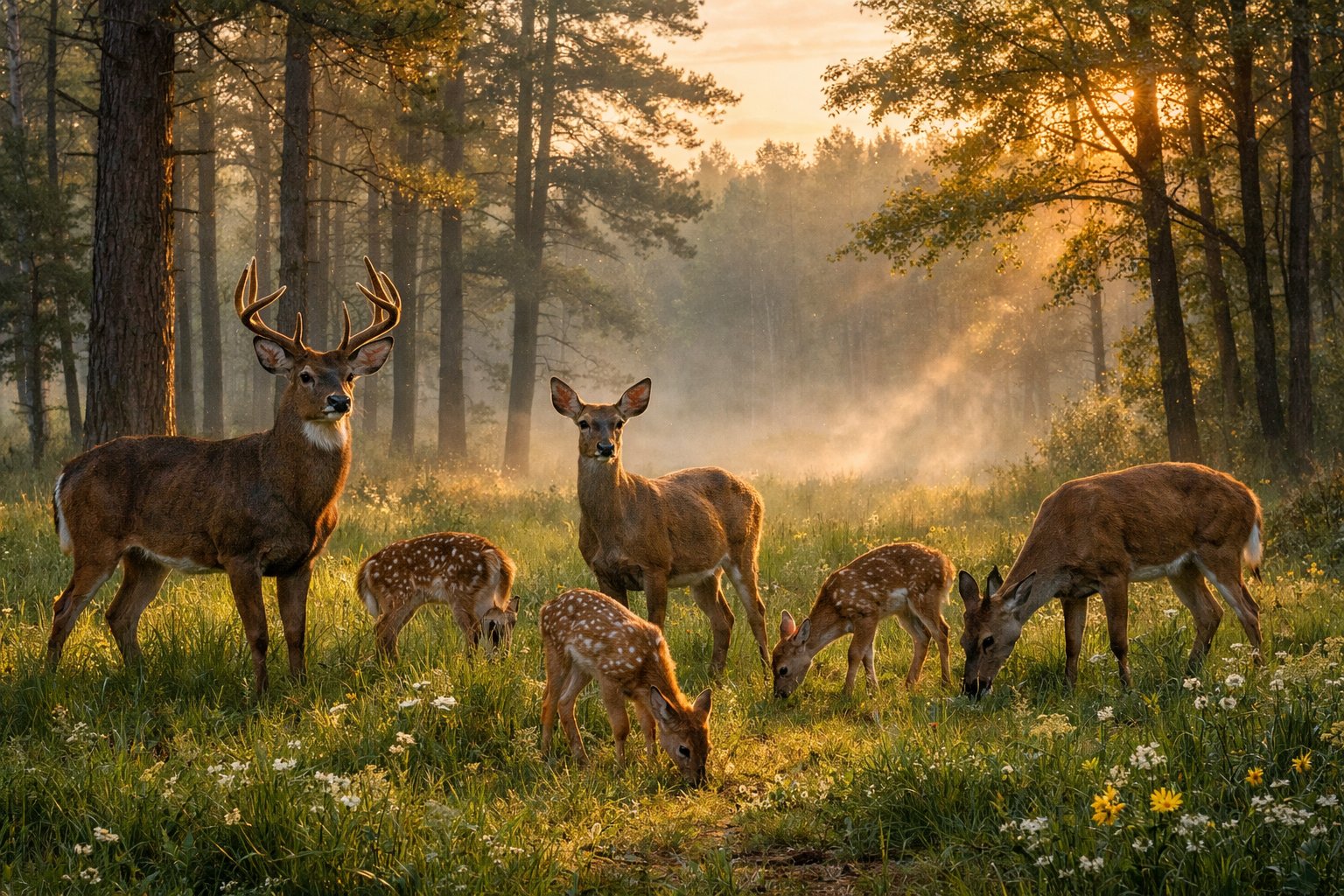
Weather, season, and human activity really matter too. Sometimes those things push deer to come out at night or even in the middle of the day when you least expect it.
Want to know how the rut, storms, or nearby people change when deer show up? And where you should look? Let’s dig in.
When Do Deer Come Around Most Often?

Deer usually move when light is low and when they’re hungry or thirsty. You’ll most often spot them near sunrise and sunset.
Weather, season, and nearby cover can shift their routines a bit. Sometimes you’ll see extra movement in the morning or evening depending on what’s going on.
Dawn and Dusk: The Golden Hours
Deer are crepuscular animals, so you’ll find the most reliable activity at dawn and dusk. These hours around sunrise and sunset let deer travel between bedding areas and feeding spots with less risk from predators.
If you hunt or watch deer, try to get in position 30–60 minutes before first light. Or, stick around 30–60 minutes after last light.
Light levels, temperature, and even the moon phase can change how long deer stay active. Cool, calm mornings and mild evenings seem to boost movement.
Use quiet routes to sneak up on open fields or woodland edges. That’s where deer feed at the edges of cover.
Morning and Evening Movement Patterns
In the morning, deer typically leave bedding areas to graze for a few hours. You’ll often catch them grazing 1–3 hours after sunrise.
Look for travel trails cutting through brush or crossing fences. Deer love using the same routes over and over.
In the evening, deer usually make a longer push to feeding areas 1–3 hours before sunset. Activity can spike during the rut when bucks roam more.
If you’re deer watching, find a spot near feeding corridors or water. Stay still—deer will move into open areas as the light fades.
Daytime and Nighttime Deer Activity
Deer move less in full daylight, but they still use shaded cover and edge habitats to feed and rest. On overcast days or in spots with little human pressure, you might see midday deer feeding near crops or in clearings.
Heat and human activity push deer to be more nocturnal in summer. At night, deer travel more when the moon is bright or during hunting closures.
Full moons can increase nocturnal movement, but deer often change their patterns by season. If you’re driving, watch out for deer crossing roads at night and during those twilight periods.
For wildlife observation, try low light optics or trail cameras to track movement after dark.
Key Factors That Change Deer Activity Times

Three big things change when deer come around: life cycle events, shifting weather and food, and pressure from people or predators. Each one can nudge deer from dawn/dusk activity to daytime or night movement.
Seasonal Influences: From Rutting to Fawning
During the rut in fall, bucks get restless and search for does during daylight. You’ll see them cross fields and trails more often, especially on warm, calm afternoons.
That increased daytime movement means you’re more likely to spot or photograph deer. It also, unfortunately, means more road-collision risk.
In spring and early summer, fawning changes things up. Does hide fawns and feed close to bedding areas, so they don’t move far.
You’ll notice quieter, more localized deer sign in places with dense cover. That’s where does leave their young.
Winter pushes deer to conserve energy. You’ll find them using south-facing slopes and fields with stored food like hay or alfalfa.
Trail cameras often catch deer hanging out longer near food or shelter around midday.
Weather, Food Sources, and Environmental Conditions
Cold snaps and deep snow limit how far deer travel. You’ll find them sticking close to wind-protected cover and mast-producing trees when snow piles up.
Mast crops—like acorns—draw deer to woodlots in fall. If acorns fail, deer travel farther to find calories.
Warm, calm nights and a full moon can get deer moving at night. Rain or high winds usually keep them hunkered down.
Crop type matters, too. Fields of alfalfa or corn attract deer at predictable times, so set cameras or watch edges.
Habitat changes, like new roads or logging, also shift the bedding and feeding routes you expect deer to use.
The Impact of Human and Predator Pressure
When hunters show up in an area a lot, deer just go more nocturnal. If people keep hunting somewhere, you’ll probably notice deer moving at night or sneaking into refuge spots close to towns.
But in suburban spots where hardly anyone hunts, deer seem to relax. They’ll walk around during the day and don’t act so skittish.
Predators shake up everything. If coyotes or wolves hang around, deer usually stick to thicker cover. You’ll catch them feeding more at dawn and dusk, not in the open.
Does especially get cautious when predators are near. They pick dense brush for fawning and rarely leave it.
Cars, hikers, and even loose dogs can break up deer paths. You can set up trail cameras and watch how they react.
Check the footage over several weeks. Sometimes you’ll notice deer switching to nighttime, using new trails, or hiding out near mast trees or alfalfa fields.


