
You might hear a sudden, sharp bark and just freeze—what’s that deer up to? Most of the time, deer bark to warn others or because they feel uneasy. Sometimes they vocalize out of curiosity, distress, or during mating season.
When a deer barks at you, it almost always senses a threat or feels alarmed. It’s trying to warn the rest of the group nearby.
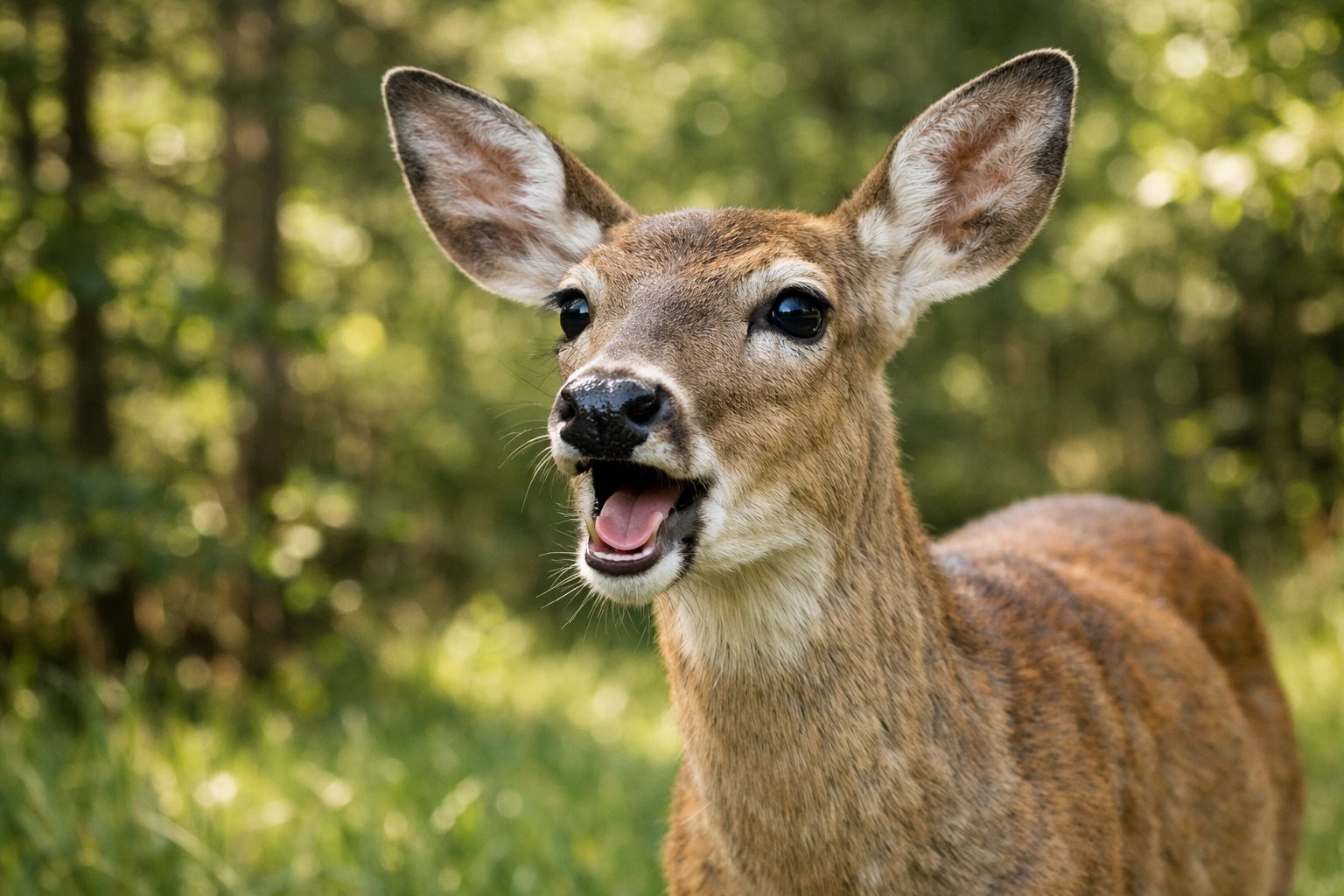
If the deer stands its ground or raises its tail, keep an eye out for more warning signs. You’ll often spot hoof stomps or hear a few quick barks in a row.
Let’s dig into what these barks mean, which deer bark the most, and how you can tell an alarm bark from other calls.
What Does It Mean When a Deer Barks at You?

A deer’s bark usually means it’s concerned and wants to alert others. The animal tries to warn its group, size up the threat, and show you how close the danger feels.
Deer Bark as an Alarm Signal
Most of the time, deer bark as an alarm. The sound is sharp and abrupt—think of a loud snort or a dog-like bark. It’s meant to alert other deer to possible danger.
White-tailed deer, roe deer, and the so-called barking deer (like the muntjac) all bark when they sense trouble. The bark happens when deer notice something odd—maybe your movement, scent, or a sudden noise.
You might hear one loud bark or a quick series of short barks. Hunters and wildlife watchers often use recordings of these calls to get a sense of what deer are up to.
How Deer Respond to Perceived Threats
After barking, a deer might freeze, scan the area, or bolt. Whitetails sometimes hold their spot for a second, trying to figure out exactly what’s going on. If the threat sticks around, they’ll bound away in a zigzag.
Does and fawns may split up and hide. Bucks sometimes stomp their feet and move around, deciding if they should stay or go.
Deer don’t just bark—they use other calls too. A snort often follows a bark as an extra warning. If you hear repeated barks and snorts, get ready: they’ll probably flee soon.
But if you stand still and stay quiet, deer sometimes calm down and just wander off instead of running.
Key Body Language Accompanying Barking
When a deer barks, watch for these signs: a raised tail flashing white, ears standing straight up and pointing at you, and front hoof stomping. These signals work together with the bark to let others know something’s up.
A raised tail with the white showing? That’s a big sign the deer might bolt. Ears that swivel around mean the deer is trying to find out where the sound came from.
If you see a deer stomping or pawing the ground, it’s unsettled and ready to take off. When you notice these cues with a bark, it’s smart to back away slowly and keep quiet so you don’t push the deer into a full-on sprint.
Want more details on deer alarm sounds? Check out this guide to deer sounds and communication.
Types of Deer Vocalizations and Species That Bark

Deer make a bunch of different sounds, depending on their species, age, and the time of year. Some deer bark all the time, but others mostly grunt, bleat, or snort.
It helps to know which calls mean alarm, which are for mating, and which ones come from fawns.
Muntjac and Barking Deer: The Noisiest Species
Muntjac (Muntiacus muntjak) are small but incredibly loud. They bark often and don’t hold back. You’ll hear short, sharp barks when a muntjac senses danger or when males defend their turf.
Their bark sounds more like a dog’s quick yap than a drawn-out bark. Roe deer also bark, especially when alarmed or protecting their fawns.
Fallow and red deer bark sometimes, but not as much. Fallow deer might throw in a bark with a grunt if they’re disturbed. If you’re hearing lots of yapping in the brush, it’s probably muntjac—at least in Asia or where people have introduced them.
Barking deer use these sounds to warn others and startle predators. Females bark to call their young. Bucks might bark when fighting over territory during the rut.
Barking Behavior Across Deer Species
Different deer species bark for different reasons. Muntjac and roe deer mostly bark as alarm calls. Fallow and white-tailed deer usually rely on snorts, wheezes, or grunts when they feel threatened.
Red deer almost never bark; they go for roars and bellows during the rut instead. You’ll hear more barking where predators are common, where the habitat’s dense, or when fawns are around.
Bucks sometimes bark when things get tense during rutting season, though their main rutting calls are grunts, bellows, or a deep “buck bawl.” If you hear a short, sharp bark, it probably means alarm. Repeated short barks might mean a doe is calling her young. When you hear a mix of barking and snorting, that’s a defensive move.
Differences Between Barks, Grunts, and Other Sounds
Barks come out abrupt and high-pitched. They cut through woods pretty well and usually mean immediate danger’s nearby.
Bucks use grunts, which sound lower, mostly for mating. You’ll hear tending grunts and buck grunts when a buck tries to keep up with a doe or warn off rivals.
A buck’s rage grunt? That one’s harsher, and you’ll catch it during aggressive stand-offs.
Does and fawns make bleats. Fawn bleats sound high and urgent—basically a call for mom.
Snort-wheezes explode out and usually mean a deer’s about to bolt. Breeding bellows and rutting calls go on longer, get loud, and really announce dominance.
If you want to figure out what a sound means, pay attention to the context. Think about the time of year, whether you see fawns, or if there’s a rival buck hanging around.
- Bark: alarm, short, sharp
- Grunt: mating or contact, lower pitch
- Bleat: mother/fawn contact, high pitch
- Snort/wheeze: warning, getting ready to run


