
If you’re just looking for a quick answer: deer usually grab several small meals throughout the day, mostly at dawn and dusk, but honestly, they’ll feed whenever conditions allow. This habit helps them handle tough plants and keeps them on their toes for danger.
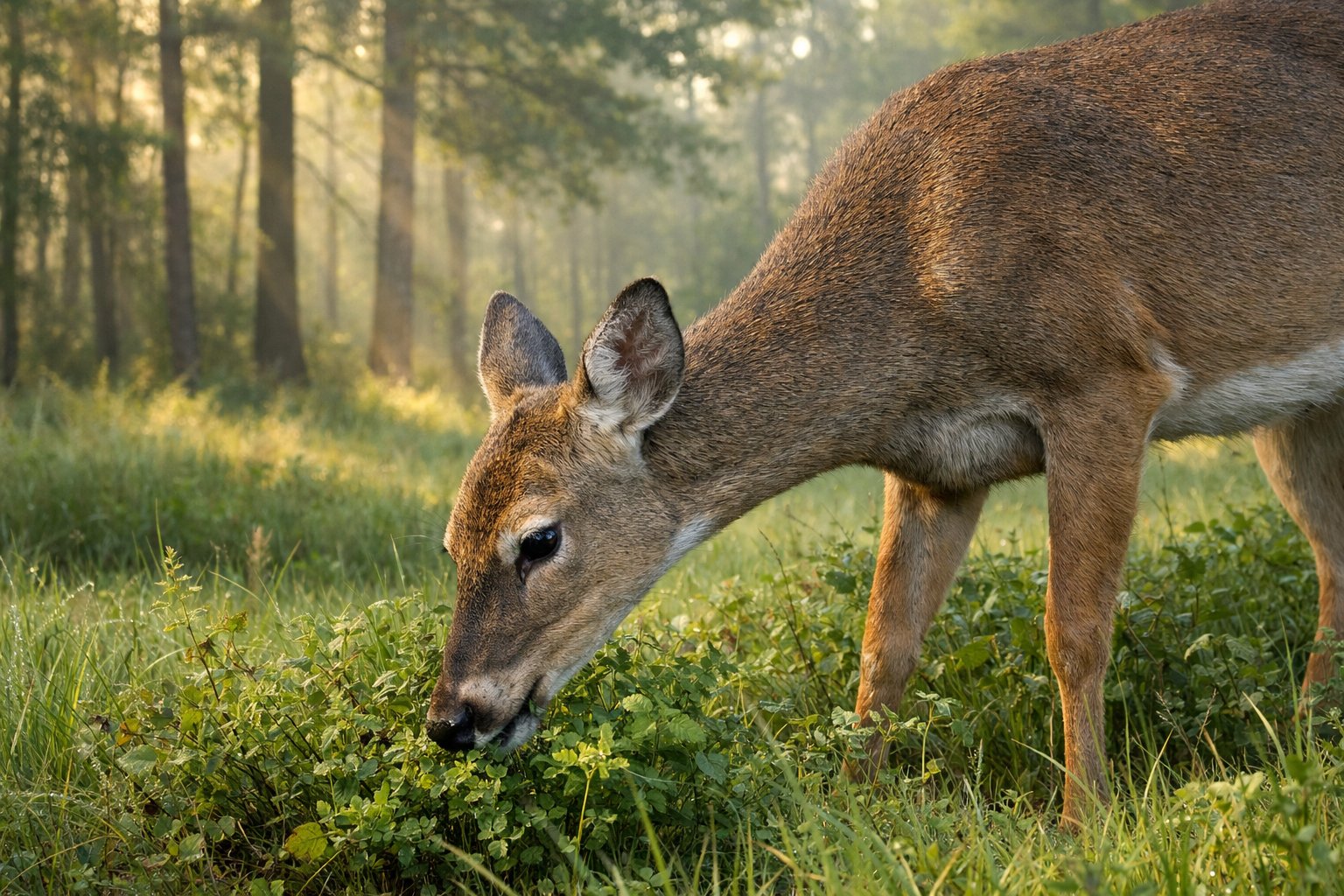
Let’s dive into how many times deer typically eat in 24 hours and why their timing shifts with the seasons, food supply, or even the weather.
Knowing this can help you spot deer, keep your garden safe, or just enjoy watching wildlife.
How Often Do Deer Eat in a Day?

Deer usually eat in short bursts, not in big, drawn-out meals. You’ll find them stopping to feed, then pausing to chew, and their unique digestion system really shapes this routine.
Typical Daily Feeding Frequency
White-tailed deer tend to eat about 4 to 6 times over a 24-hour period. Each feeding session is quick—maybe 10 to 30 minutes.
You’ll notice this changes with the seasons and what’s available to eat. In spring and summer, when everything’s green and tender, they snack more often.
But in winter, they cut back, sometimes eating less often and for shorter stretches to save energy.
A healthy adult whitetail might eat about 6–8% of its body weight each day. That’s a lot, so they need to keep grazing and browsing to keep their stomachs working.
Day and Night Feeding Patterns
Deer pick their feeding times based on safety and what’s around to eat. Sometimes you’ll catch them eating at night, other times during the day—it all depends on how much people or predators are around.
If there are lots of people nearby, deer often shift to nighttime feeding to stay out of sight. In quieter places, you might see them out in the open around dawn and dusk.
Weather plays a part too. When it’s cold, deer usually wait for milder temps to eat. In spring, with all the new growth, they might stay out feeding longer during the day.
Crepuscular Activity: Dawn and Dusk Feeding
Deer mostly stick to dawn and dusk for their main meals. These twilight hours give them enough light to find food but still help them avoid predators.
At those times, whitetails leave their bedding spots and head for feeding areas. You’ll often spot them munching on young plants, grasses, or acorns in the fall.
Hunting and human activity push deer to stick even more to these crepuscular hours. If you want to catch them eating, try watching right around sunrise and sunset.
Deer Feeding Bouts and Rumination
Deer work with a four-chambered stomach: rumen, reticulum, omasum, and abomasum. After a quick feeding session, they’ll usually find some cover and ruminate—basically, they bring up their food and chew it again.
Rumination can take up a few hours each day. You might see deer just standing or lying down, chewing away, while microbes in their gut break down tough plants.
This cycle keeps repeating. They eat, rest and chew, then eat again once their stomach’s ready for more.
Factors That Influence How Often Deer Eat
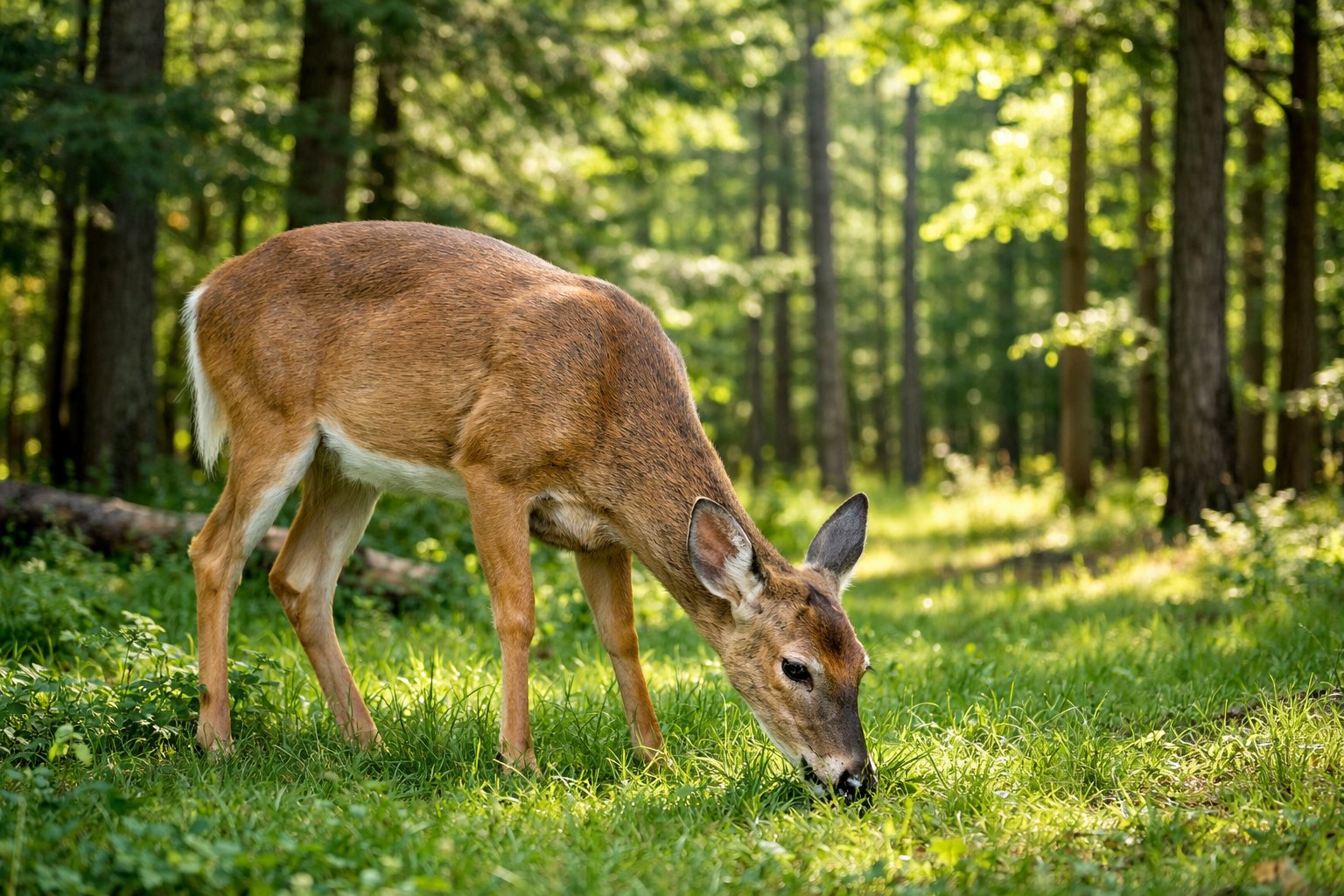
How often deer eat depends on the season, what food is around, their age and health, and even what kind of habitat you’re looking at.
You’ll see their habits shift a lot—food type, weather, and the shape they’re in all make a difference.
Seasonal Changes and Food Availability
In spring and summer, deer go for high-protein plants like clover, grasses, and new shoots. Since it’s easy to digest, they’ll feed more often and nibble all day.
You’ll probably catch them out more during daylight when everything’s lush.
Come fall, deer switch gears and focus on stuff like acorns, beechnuts, and corn—anything that helps them bulk up for winter. If there’s a big mast crop, you might see them feeding intensely for a stretch.
Winter’s tough. Deer have to settle for woody browse—twigs, bark, and buds—when the good stuff is gone. They eat less often and spend more time chewing their cud.
Deep snow or frozen ground can make it even harder, changing where and when they feed.
Age, Sex, and Health of Deer
Fawns need to eat more often and go for nutrient-rich foods. You’ll see them browsing tender leaves and forbs since they’re growing fast and need the extra protein.
They also stick close to cover and nurse, so their feeding looks a bit different from adults.
Bucks and does don’t always eat the same way. During the rut, bucks barely eat because they’re busy chasing mates.
Does, on the other hand, will eat more in late summer and fall if they’re pregnant or nursing.
Health can really change a deer’s eating habits. Sick or parasite-heavy deer eat less and pick easier foods.
Older deer with worn teeth usually go for softer stuff like berries or corn. And if there are too many deer in one area, they’ll compete harder for the best food, sometimes running out of their favorites faster.
Impact of Habitat and Environmental Conditions
Your landscape really shapes how often deer eat. Fields and food plots, especially those with clover or corn, pull deer in and give them easy, predictable feeding spots.
Edge habitats—where forest bumps up against field—let deer grab a bite and hide out at the same time. They get both cover and a mix of food, so they stick around and snack more often.
Agricultural crops definitely attract deer, but that can get tricky. When crops are out there, deer usually wait until night to feed so they can avoid people.
In thicker cover, deer don’t wander much. They’ll just feed in quick, short bursts close to their bedding spots.
Weather matters too. When it gets really cold or a storm rolls in, deer tend to chow down before the bad weather hits. Then they hunker down and rest more while it passes.
Deer rely on their sharp sense of smell to sniff out mast and berries, even under a little snow. So, the mix of food that’s around, plus whatever the weather’s doing, pretty much sets their daily routine.


