
When a dog kills a deer, you might find yourself facing legal trouble, unexpected vet bills, and some tough choices about your pet’s future. Depending on your local wildlife and animal-control laws, you could get fined, be held civilly liable, or even ordered to restrain or remove your dog.
It’s important to know what might happen so you can act quickly and protect both your dog and your community.
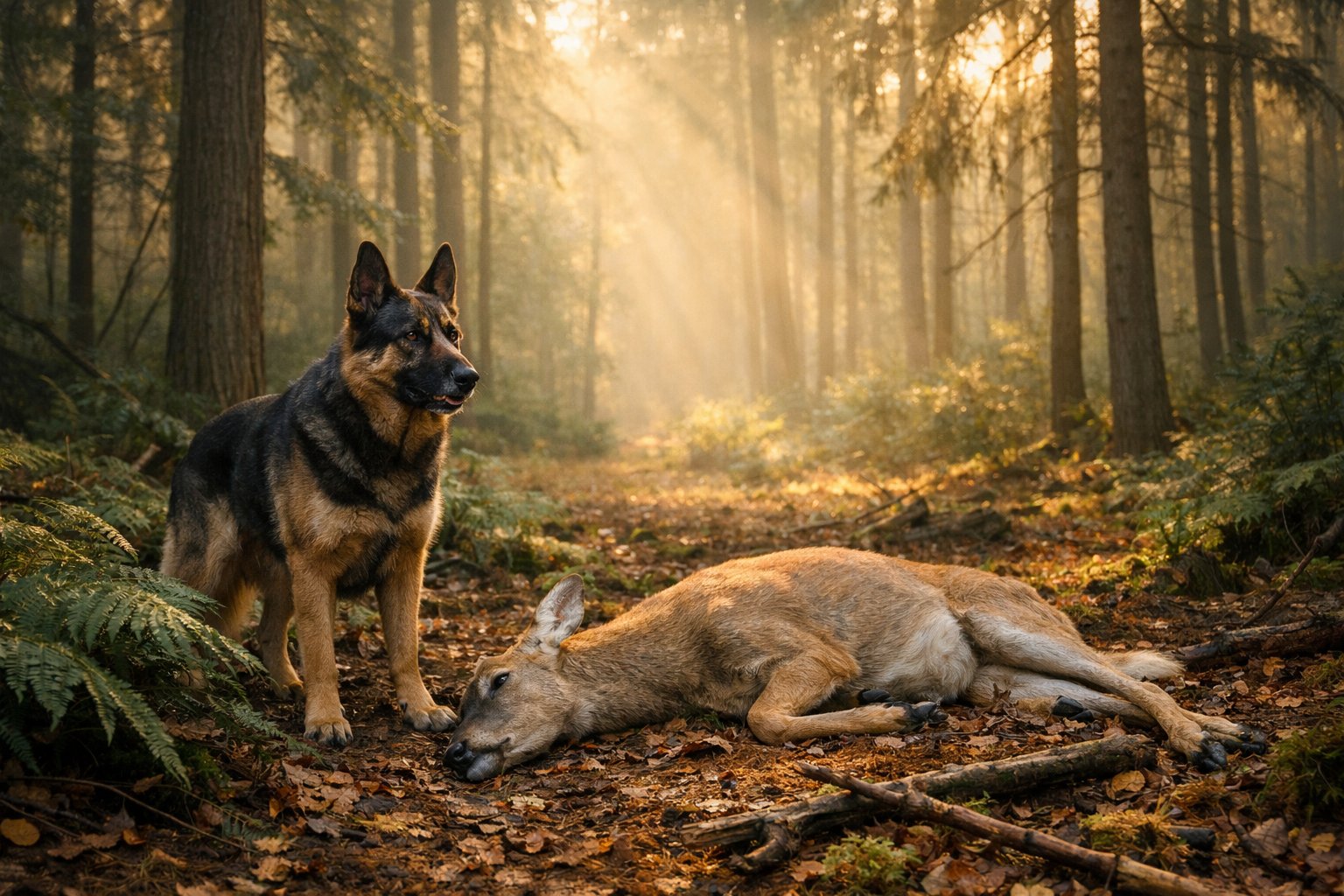
Officials may require you to take certain steps, and you’ll need to know how to report the incident. Acting fast can help keep you out of deeper legal trouble.
Let’s also talk about how you can prevent these encounters. A few simple habits can really lower the risk and keep wildlife safer.
Legal Consequences When a Dog Kills a Deer
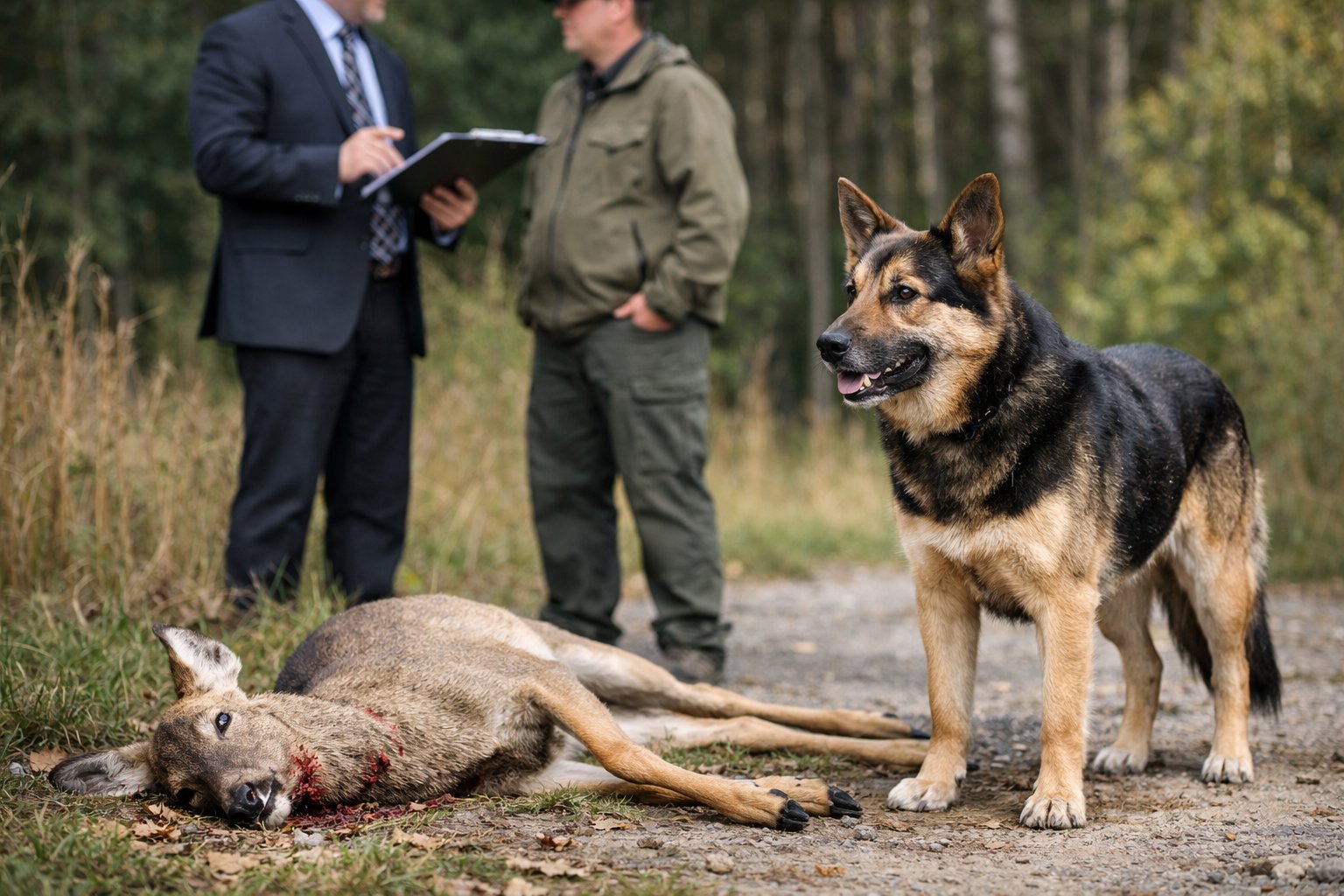
If your dog kills a deer, you’ll probably run into laws that protect wildlife and rules about hunting. You’re usually held directly responsible for what your pet does.
Wildlife officers, animal control, or police can all get involved to enforce these rules.
Wildlife Protection Laws and Hunting Regulations
Most states treat deer as protected game under their fish and wildlife codes. So, when a dog kills a deer, the state may treat it as an illegal take of wildlife.
You’ll likely need to report it to your state Department of Natural Resources or fish and game office. Wildlife officers will document the loss and decide what to do next.
Hunting seasons and permits make a difference. If the deer was the wrong sex or age, or if it happened outside hunting season, you could face stiffer penalties.
Some parks have local ordinances or even federal rules. Wildlife officers check if the act broke hunting laws or if you let your dog chase protected wildlife.
If they think you used your dog to hunt deer on purpose, things get serious. They might push for criminal charges. It’s worth looking up your state’s rules and calling fish and game right away if this happens.
Owner Liability and Legal Responsibility
You’re usually on the hook for your dog’s actions under wildlife and animal control laws. If your dog kills a deer, you could get fined just like someone who poaches.
Animal control or your local council might also step in. They can give you tickets for leash-law violations or unsafe control.
Some places use older laws like the Dogs Act 1871 or newer ones like the Dangerous Dogs Act 1991. If your dog acts aggressively or you lose control, they might use these laws to address public safety.
You’ll want to cooperate with investigators and keep a record of what happened. If things get complicated, talking to a lawyer who knows animal law is a smart move.
Potential Penalties and Enforcement Actions
Penalties depend on where you live, but they often include fines, court dates, or even criminal charges for illegal take of game. Fines can range from a few hundred bucks to several thousand, depending on the season, species, and what really happened.
You could also get ordered to pay restitution for the deer’s value.
Animal control might require you to leash your dog at all times, confine them, or even label them as dangerous. That can mean strict rules and regular check-ins.
In really bad cases, authorities might even push for your dog to be surrendered or euthanized under dangerous-dog laws. Hunting violations can also mean losing your hunting license or permits.
Keep a record of any conversations with officials. If you report quickly and show you’re being responsible—like securing your dog—it can help your case.
For exact details, check your state’s fish and game code or your local animal control rules.
Preventing Dog Attacks on Deer: Responsible Ownership
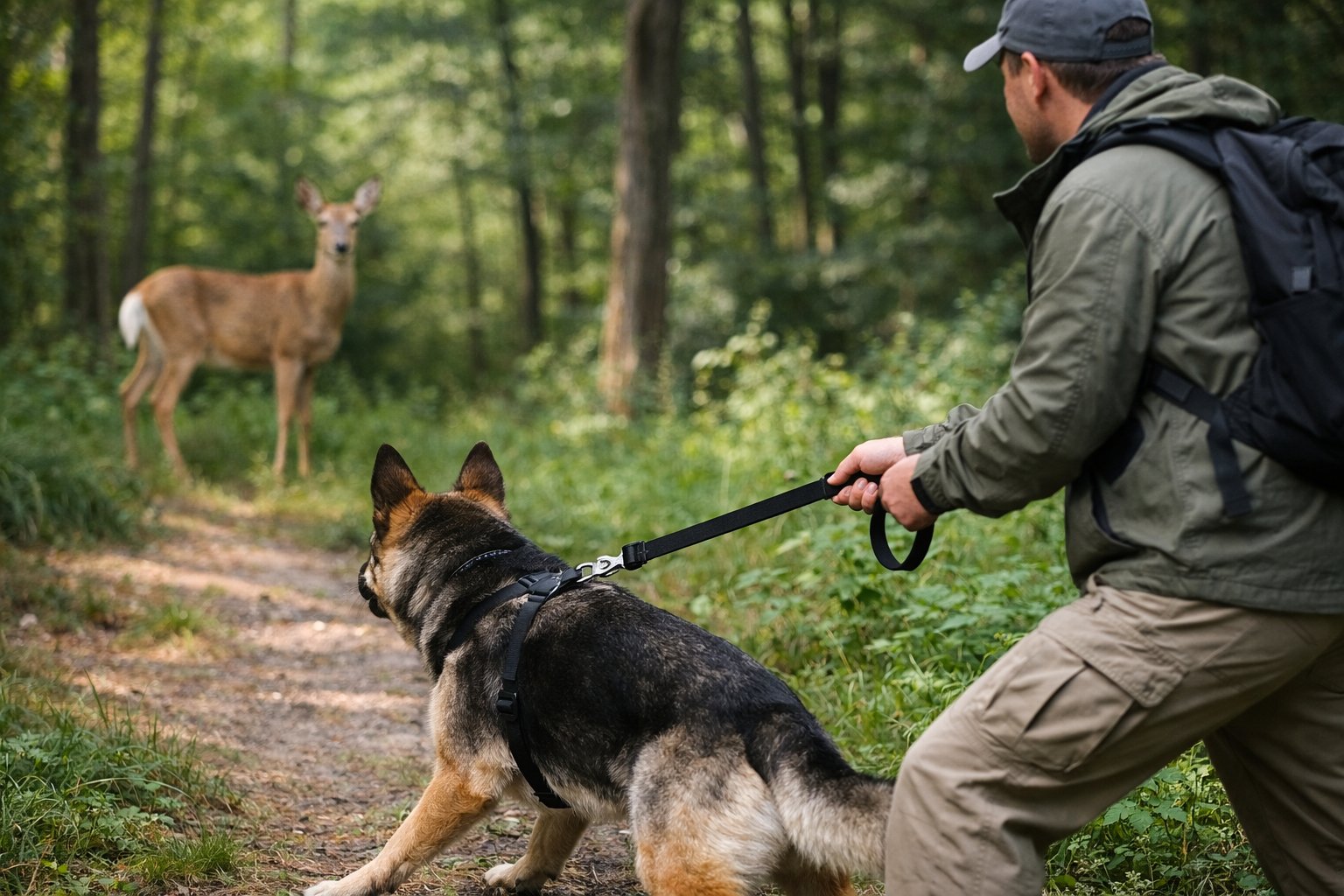
Most dog attacks on deer don’t have to happen. If you keep your dog under control, train a solid recall, and use good fences, you’ll avoid a lot of trouble.
Acting early can save you from fines, protect your dog, and keep deer safe—especially during the rut or other sensitive times.
Understanding Dog Behavior and Breeds
Dogs chase or hunt because of instinct, training, or sometimes just boredom. Breeds with high prey drive—like hounds, terriers, and certain herding dogs—tend to chase deer more.
Even small dogs can injure fawns or stress out does, especially during the rut.
Watch for signs that your dog might chase: intense staring, raised hackles, or getting fixated on movement. Young dogs and unneutered males often show stronger chasing instincts.
You need to know your dog’s limits. Don’t let them roam in places where deer eat or travel.
Try controlled exposure and use reward-based training to reduce the urge to chase. If your dog has chased wildlife before, treat them as high risk near woods or trails.
Steps to Prevent Dog Attacks on Deer
Here’s what you can do to keep both deer and your dog safe:
- Leash your dog in deer areas and on trails. Always follow local leash laws.
- Train a strong recall with high-value treats. Practice in fenced yards first, then slowly add distractions.
- Only walk your dog at dawn or dusk if you’re sure you can control them. Deer are most active at those times, especially during rut.
- Put up secure fencing or use long-lines at home. Electric or tall mesh fences can help keep deer out of your yard.
- Use tools like whistles, long-lines, or non-harmful noise makers to interrupt a chase before it starts.
- Remove things that attract deer, like fallen fruit or open compost, and cut down on hiding spots in your yard.
If an incident happens, document it and report injuries to animal control or your Department of Natural Resources if you have to. Some areas will fine owners for illegal take of wildlife.
Impact on Wildlife Management and Animal Welfare
What you do really matters for local deer populations and their welfare. When dogs attack deer again and again, it stresses the population, leaves fawns orphaned, and causes painful injuries.
Wildlife managers keep an eye on these incidents so they can decide on leash rules and set limits in wildlife areas. Groups like the British Deer Society actually urge people to keep dogs on leads anywhere deer might be.
During the rut, deer get even more stressed and injuries happen more easily. It’s worth being extra careful at that time.
If you prevent attacks, you’re less likely to get tangled up in legal trouble or have your dog labeled dangerous—or worse. Responsible actions let wildlife officers spend more time managing habitats, not dealing with injuries that could have been avoided.
You also make things safer for everyone and show you care about animal welfare. Isn’t that what we all want?


