
Touching a deer usually doesn’t make a mother abandon her fawn, but it can definitely cause problems. You might stress the animal, make it too comfortable around people, or even put it at greater risk from predators or cars.
If you touch a deer, the best thing you can do is back away and leave it alone—unless it’s hurt or in real danger.
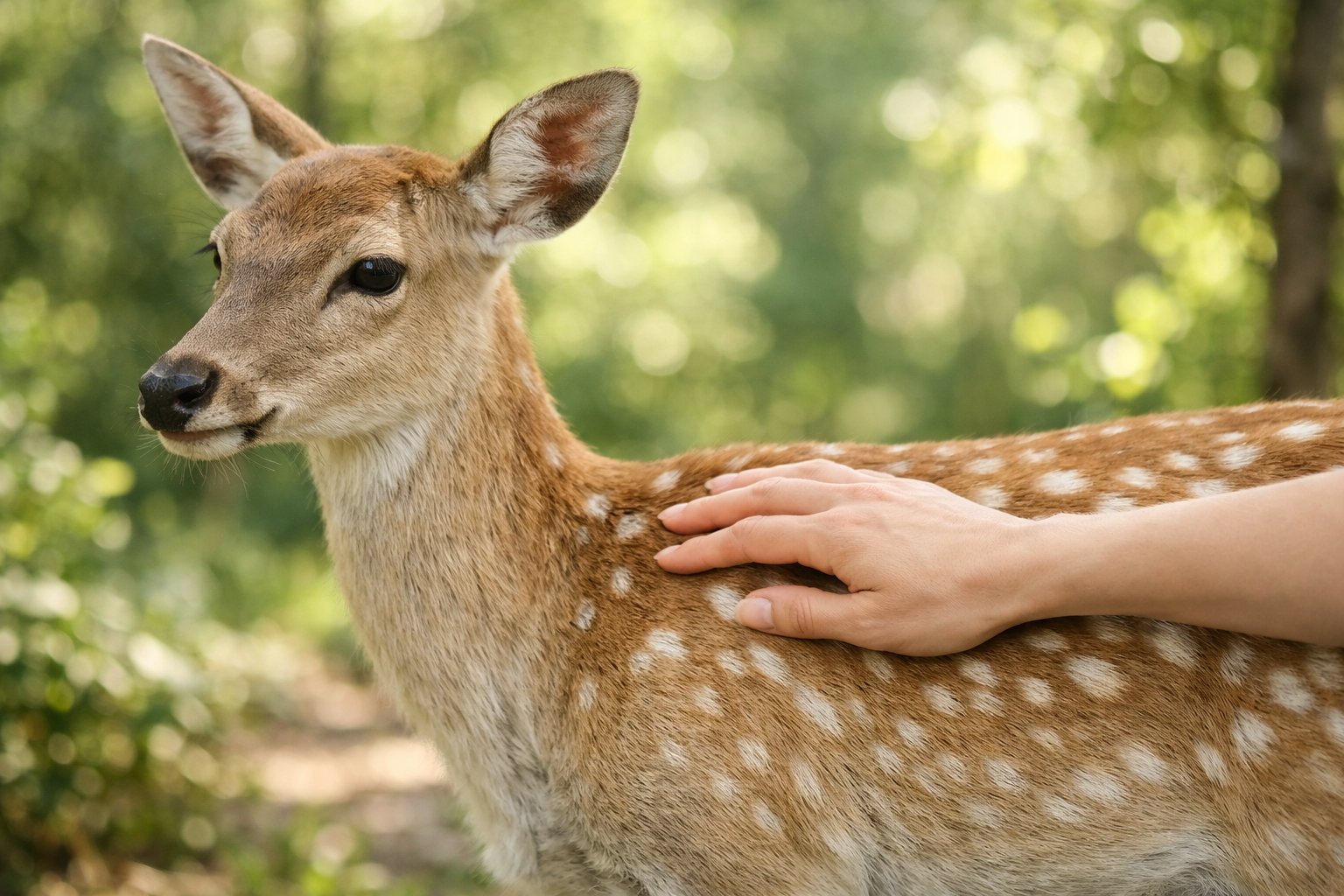
Sometimes, a deer acts calm, then suddenly gets nervous or bolts. Why is that? You’ll find out what your touch actually does, what to look for right away, and when it’s time to call in wildlife experts.
Let’s get into some practical steps to keep you and the deer safe.
Immediate Effects of Touching a Deer

When you touch a deer, you change its behavior immediately. You might cause stress, leave your scent, or start a pattern where the deer gets comfortable around people.
Myths and Facts About Abandonment
A lot of people worry that a mother deer will abandon her fawn if a human touches it. That’s mostly not true.
Mother deer almost always come back to feed and care for their young, even if a person has touched the fawn.
Still, your touch can make the mother more cautious or delay her visits. Deer usually hide their fawns and only return a few times a day.
If you move a fawn or handle it roughly, you could make it more visible to predators or confuse the mother about where to find it.
If you spot a fawn, don’t pick it up. Just watch from a distance for signs of injury or if it seems distressed for a long time.
If the fawn is obviously hurt or in danger, reach out to a wildlife rehabilitator instead of trying to help on your own.
Impact of Human Scent on Deer
Your scent won’t automatically make a mother deer reject her baby. Deer use smell, but their bond and survival instincts are much stronger than a quick whiff of human.
Still, leaving a strong human scent near a fawn can attract predators or curious people. Repeated handling also spreads more scent, which can slowly change how deer act in the area.
If you touch a baby deer by accident, don’t try to wash it off. Trying to clean or handle it more just adds stress and does more harm than your scent ever could.
The best move is to leave and let the mother return when she feels safe.
Stress and Trauma in Fawns
Handling a fawn stresses it out right away. Their bodies and nerves are fragile, so loud noises or rough movement can cause shock or even injury.
You might notice rapid breathing, shaking, or weak attempts to stand. Over time, this stress can hurt their immune system or slow their growth.
A stressed fawn also doesn’t learn to watch out for predators as well, making survival harder.
If you see a fawn that looks weak, is bleeding, or can’t stand, call a licensed wildlife rehabilitator. Don’t try to feed it or warm it up yourself unless you know what you’re doing.
Risks of Habituation to Humans
Touching or feeding deer can make them lose their natural fear of people. This process, called habituation, can start with just one interaction and gets worse if it happens again.
A deer that’s too comfortable around people is more likely to wander into yards, roads, or hang around pets. That raises the risk of car accidents or run-ins with dogs.
If fawns get used to humans, they might even become dependent. That makes it really tough for them to survive when they’re grown.
They’re also more likely to be trapped, moved, or even put down for safety reasons.
Avoid creating these problems. Don’t leave food out, don’t approach resting deer, and don’t keep checking on a fawn you’ve seen before.
Keep pets on a leash and drive slowly in areas where deer live. If you want to help injured wildlife, call the pros instead of trying to handle things yourself.
Safety, Legal, and Conservation Considerations
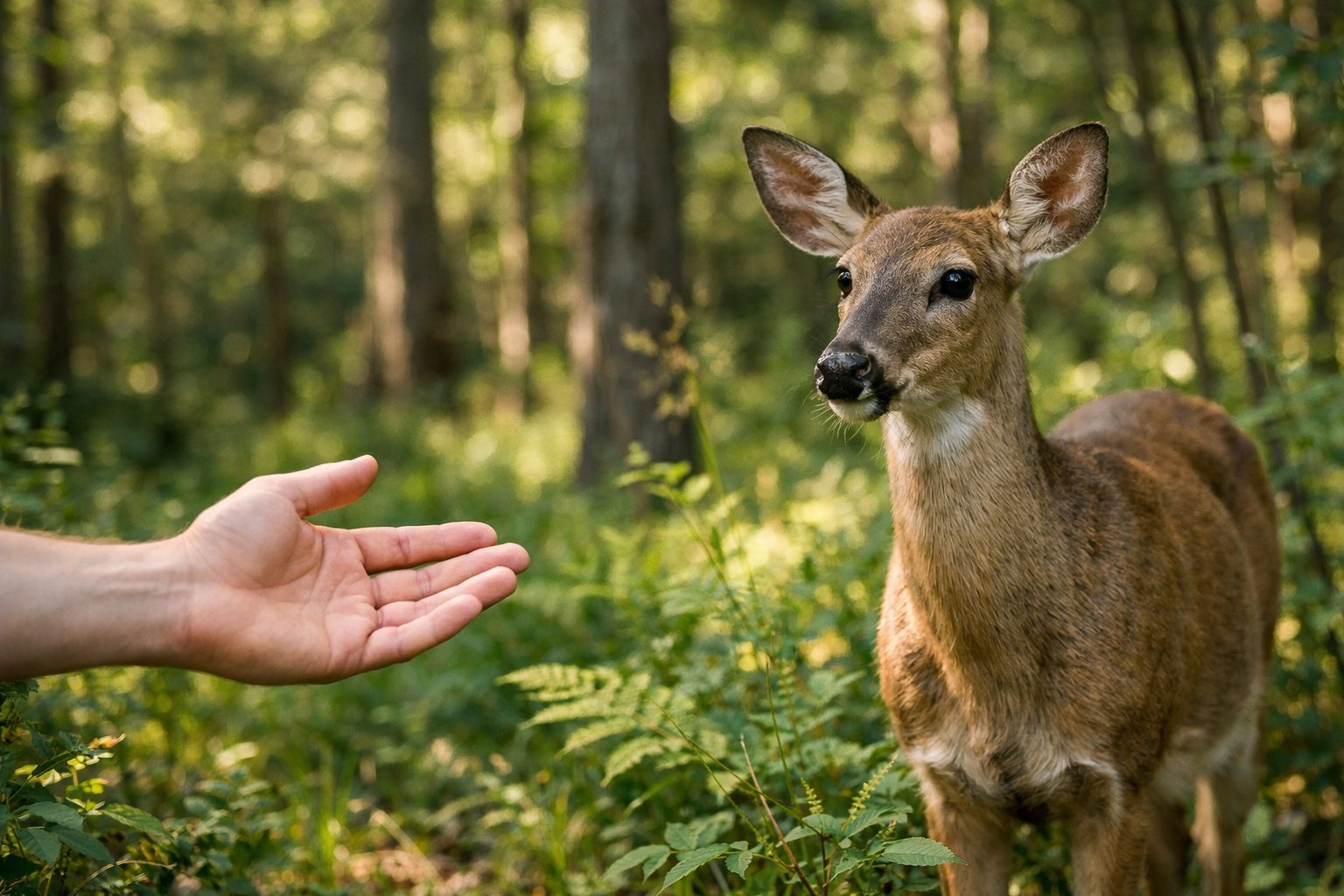
Touching deer can spread parasites, change their behavior, and even get you into legal trouble. It’s best to stay cautious, know who to call, and avoid handling deer unless a wildlife professional tells you to.
Disease and Parasite Transmission (Ticks, Fleas)
Deer often carry ticks and fleas, and those can easily move onto you or your pets. Ticks can spread diseases like Lyme or anaplasmosis, and fleas can bring bacteria, itching, or allergic reactions.
If you touch a deer, check your clothes and skin for ticks and remove them with tweezers. Wash your hands and any exposed skin with soap and water, and clean any scratches or bites.
Keep pets away from the area until you’ve checked them and made sure they don’t have any new hitchhikers.
If the deer is a pet or kept in a pen, the risk of heavy parasite loads goes up. Let a wildlife rehab center or your vet know if you see lots of ticks or fleas on a deer. They can treat it safely and help prevent the spread to other animals or people.
When Intervention Is Needed and Who to Call
Don’t move a healthy-looking deer. Only step in if the animal is clearly hurt, trapped, or in obvious danger—like stuck on a busy road or caught in fencing.
From a safe distance, note where it is, any injuries, and how it’s acting.
Call your local animal control or the nearest wildlife rehab center for help. If you find a fawn that seems abandoned but isn’t hurt, call a licensed rehabilitator instead of taking it home.
For deer hit by cars, contact law enforcement and animal control. They’ll handle removal and decide if rehab is possible.
Give them the exact location, describe the condition, and mention if pets or people are at risk.
Legal Rules and Consequences
Most places have rules against handling wild deer. State and local laws usually make it illegal to keep or move wildlife without a permit.
If you break these rules, you could get fined, lose the animal, or even face criminal charges.
If you find a deer or any young wild animal, check your state wildlife agency’s rules before you do anything. Keeping a deer as a pet is illegal or tightly controlled in many areas.
Owning a deer without the right paperwork can mean big penalties and you might have to give the animal up. When you’re not sure, call wildlife professionals to stay on the right side of the law.
Role of Wildlife Rehabilitation and Conservation
Wildlife rehab centers actually treat injured deer, give them medical care, and—if things go well—release them back into the wild. Licensed wildlife rehabilitators handle this work because they really understand what deer need, from proper diets to parasite control and even ways to reduce stress.
If you ever find a wild deer in trouble, you should reach out to these experts. Raising or feeding a wild deer yourself? Not a good idea.
Conservation teams keep an eye on deer populations and tackle disease and habitat problems as they come up. Wildlife professionals team up with rehab centers, animal control, and conservation agencies to help cut down on human-wildlife conflicts.
Want to help? Reporting sick animals and following local rules about pet deer can make a real difference for both deer and people. Every bit of support for local conservation efforts counts.


