
You might expect one animal to dominate deer everywhere, but honestly, it depends on where you are and which deer you’re talking about.
Across most of North America, humans actually end up as the main predator of deer through hunting and by shaping their habitat. In wilder places without much human impact, wolves and mountain lions usually fill that top spot.
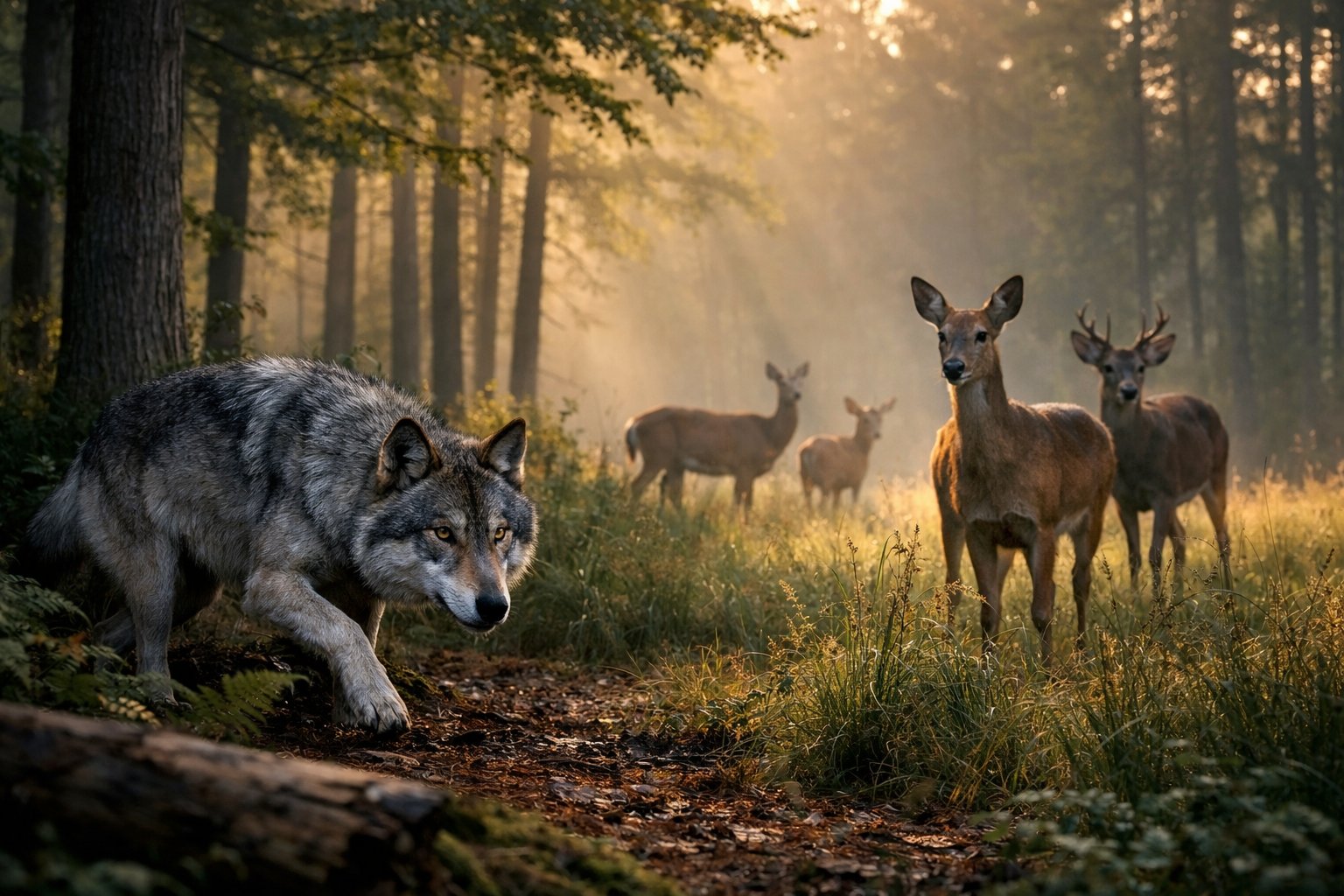
Big carnivores like wolves and mountain lions hunt adult deer, while coyotes and bears tend to target fawns.
Humans, meanwhile, shape deer numbers by setting hunting seasons and changing the land.
Other predators and factors also affect deer survival.
If you want to understand why deer populations go up or down, you’ll need to look at all these threats and which predators matter most depending on the place.
Top Predators of Deer: Who Hunts and How
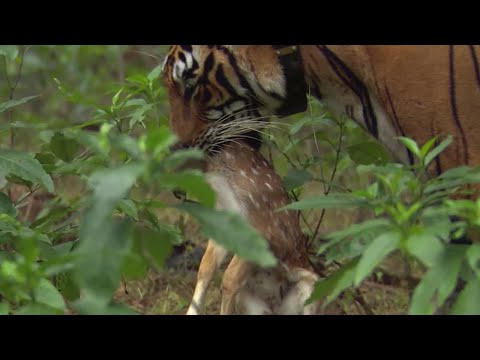
Hunters and wild predators both put pressure on deer.
Let’s talk about how humans and three big wild predators hunt deer, and which parts of the population they hit hardest.
Humans and Their Impact on Deer Populations
People shape deer numbers more than any wild animal.
Every year, regulated hunting removes around 5 million white-tailed deer in North America, which changes herd size, age, and where deer hang out.
Hunting season timing, bag limits, and permit systems try to balance population control, crop protection, and recreation.
Venison from hunting ends up as a lean meat for many folks.
When wildlife agencies manage hunting well, it can help reduce overbrowsing and protect forests and other wildlife.
But if hunting gets out of hand or stays illegal, or if urban development spreads too much, local deer numbers can drop or their habitat gets chopped up.
Hunting also affects predator-prey dynamics.
If deer numbers fall, wolves, cougars, and coyotes have less to eat, which can push them to change their habits or numbers.
The management choices you support really influence these bigger ecosystem effects.
Wolves: Pack Hunters of Adult Deer
Wolves (gray wolves, Canis lupus) hunt in packs and regularly take down adult deer, elk, and sometimes even moose.
You’ll see wolves working together—some scout, others chase or flank—to single out a weak or young deer, then run it down.
Packs coordinate using scent and vocal calls.
They usually focus on old, sick, or young deer, but sometimes kill healthy adults, especially in winter or when they outnumber their prey.
Wolves’ presence changes how deer act.
Deer start to avoid risky places and shift their feeding times, which can actually help plants and forests recover.
Reintroducing wolves has lowered deer numbers in some places and improved stream and plant health.
If you live near wolf country, you’ll notice deer distribution changes.
Wildlife managers keep an eye on both wolf packs and deer herds to set hunting seasons and keep things balanced.
Coyotes: Versatile and Widespread Deer Predators
Coyotes (Canis latrans) thrive almost everywhere—from forests to suburbs—and they hit fawns the hardest.
Studies show coyotes can really reduce fawn survival, especially where there’s not much cover.
They hunt alone or in pairs, but sometimes form small groups to chase adult deer in deep snow or wide-open spots.
Coyotes eat just about anything: rodents, rabbits, fruit, carrion, and deer when they get the chance.
Their flexibility lets them move into areas where bigger predators have faded out.
In places with mixed predators, coyotes often become the main fawn threat during spring and summer.
If you manage land, you’ll find coyotes respond fast to human activity and available food.
Securing livestock and waste can help keep coyote numbers down near homes.
Wildlife managers sometimes tweak deer hunting rules if coyote predation cuts fawn numbers too much.
Mountain Lions and Cougars: Stealthy Solitary Cats
Mountain lions (puma concolor) hunt alone and mostly go after adult deer.
You’ll find them in rugged, brushy, or forested areas where they can hide and stalk close.
They creep up to within a few dozen meters, then sprint and take down a deer with a bite to the neck or throat.
One cougar may kill dozens of deer each year inside its territory.
Cougars push deer to avoid dense cover and stick to open feeding spots when the risk feels lower.
They often cache their kills and return for several meals.
Mountain lions prefer mule deer and white-tailed deer, but will eat elk or smaller deer if they have to.
If you hike or camp in cougar country, keep pets leashed and stay alert at dawn and dusk.
Wildlife managers track both cougars and deer harvests to set hunting regulations that consider how many deer cougars take.
Other Predators and Factors Affecting Deer Survival

Deer deal with a lot more than just the top predator.
Let’s look at which other animals hunt deer, how they do it, and what makes deer more vulnerable.
Bears: Opportunists in Deer Predation
Bears—especially black bears and brown bears (including grizzlies, Ursus arctos horribilis)—don’t usually hunt healthy adult deer.
They’ll grab fawns, weakened adults, or scavenge carcasses when they get the chance.
Bears use their strength and size to overpower prey, or just take over kills left by others.
In spring and early summer, black bears often look for newborn fawns hiding in thick cover.
Grizzly bears sometimes take bigger prey where they overlap with elk or moose, but they still target deer fawns if they find them.
Since bears eat almost anything—nuts, berries, insects—they don’t put constant pressure on deer.
You might spot bear predation by scattered hair, big bite marks, or tracks near a carcass.
Losing habitat and human food attractants can increase bear-deer run-ins, so managing waste and keeping fawning cover helps keep problems down.
Bobcats, Lynx, and Small Carnivores
Bobcats and lynx hunt alone and mainly go after fawns, but sometimes take smaller adults.
Bobcats (Lynx rufus) use camouflage and thick woods to sneak close and pounce, while lynx prefer snowy, northern forests and look for vulnerable animals.
These small cats love thick brush and edges where fawns hide.
They rely on stealth and quick bursts of speed to surprise their prey.
Bobcats and lynx help keep fawn numbers and small deer populations in check, which shapes local herds.
Other small carnivores—like wild dogs—sometimes hunt in pairs or packs, boosting fawn predation.
Human-changed habitats can boost mesopredator numbers, sometimes raising risks for fawns.
Keeping natural cover and limiting free-roaming dogs helps protect young deer.
Birds of Prey and Alligators: Surprising Threats
Big raptors like bald eagles will sometimes grab very young fawns or scavenge deer carcasses.
Vultures don’t kill deer, but they clean up remains, which can help stop disease.
In the southeastern U.S., American alligators can ambush deer that come to drink or cross swampy ground.
Alligators use stealth and sudden force to pull animals into the water, so deer that wade or swim really do face a risk.
You might see raptors hunting near water edges or open fields.
If fawns bed down in exposed areas, they’re more likely to get hit by aerial attacks.
In wetlands, shoreline fencing and keeping escape routes open for deer can help lower alligator predation on both livestock and wildlife.
Predator-Prey Dynamics and Ecosystem Balance
Predator numbers, prey density, habitat quality, and even human activity all play a role in shaping predator-prey relationships.
When wolves or cougars roam an area, they usually pick off weak or old deer first. That tends to help the overall health of the herd and keeps populations from getting out of hand.
If deer lose their habitat or the land gets chopped up, they end up more exposed to predators.
That situation bumps up fawn mortality, which isn’t great for herd growth.
But if people remove too many predators, deer populations can explode.
Suddenly, you get overbrowsing, shifts in plant communities, and those classic trophic cascades that mess with ecosystem health.
Maybe it’s worth thinking about managed predator control, restoring habitats, or even keeping hunting dogs and free-roaming pets in check.
Wildlife managers rely on population monitoring and hands-on habitat work to keep these dynamics steady and help fawns survive.


