
You’ll spot deer in all sorts of places—forests, fields, wetlands, and sometimes even right next to busy neighborhoods. Why? They’re just looking for the basics: food, water, and cover. If a spot offers those three, deer will probably show up.

Take an early morning walk along a forest edge, across a meadow, or through a quiet yard and there’s a good chance you’ll see them. Their core needs shape where they hang out, and those needs shift a bit with the seasons. Some places just end up with more deer because of it.
Let’s dig into what you should look for if you want to find deer, why certain habitats matter, and how the land around you changes their behavior and numbers.
Understanding Deer Habitats and Core Requirements

Deer need four main things to thrive: steady food, safe cover, clean water, and enough space to roam. Those needs decide where they eat, rest, and raise their fawns.
Essential Elements of an Ideal Deer Habitat
A great deer habitat gives you a mix of plants and places. You want to see grasses, forbs, shrubs, and young trees so deer can munch on leafy plants all year.
Forbs and browse pack in protein during spring and summer, while acorns and nuts matter most in fall.
Good soil and plant variety spread food out, so deer don’t have to travel far every day. Edge habitat—where woods meet fields—usually packs the most food and cover, and, honestly, you’ll find more deer there.
Keep an eye out for riparian corridors and small wetlands too. These spots offer juicy forage, water, and act as travel routes. Healthy habitats mix up feeding patches, bedding areas, and places to hide.
The Role of Food Sources and Diet in Deer Distribution
Food pretty much controls where deer live and how they move. Deer focus on high-forage patches: forbs in spring and summer, twigs and leaves during lean times, and acorns in autumn.
When deer grow antlers or raise fawns, they need even more protein, so spots with lots of forbs and browse draw more deer then. Agricultural fields—corn, soybeans, you name it—pull deer in the fall, but that’s also where they run into trouble with people.
If there aren’t enough plants around, deer drift into yards, orchards, or even roadsides. Mapping out where forbs, shrubs, and mast grow helps you guess where deer will show up each season.
The Importance of Cover, Water, and Space
Cover keeps deer safe and gives them places to sleep, hide fawns, and escape bad weather. Look for dense shrubs, tangled young trees, or brush piles for fawning cover, and thicker woods for winter shelter.
Water needs to be close—ideally within about a mile. Ponds, streams, and wet meadows all matter. Riparian corridors do double duty for water and travel.
Space matters too. When food or cover runs short, deer spread out; when resources are plenty, they stick closer together. Crowded winter spots can run low on food and boost disease risk, so deer use several patches across the land to get by.
Deer Movement Patterns and Home Range
Food, seasons, and people all affect how deer move. You’ll see them head from bedding spots to feeding areas, usually within a few hundred meters to a couple kilometers.
Young deer often wander off in spring, while summer brings them to green forbs. In fall, they gather where acorns drop, and in winter, they hunker down in sheltered spots. Edge habitats and stream corridors work as reliable travel routes between these places.
Home range size changes with sex, age, and how good the habitat is. Bucks usually roam farther, especially in fall. If you follow trails, rubs, and bedding spots, you’ll start to get how deer use your local area.
Where Deer Live: Major Habitats and Regional Adaptations
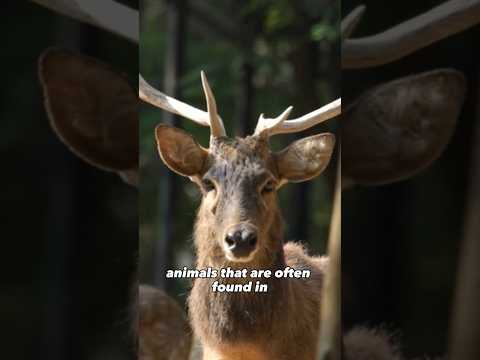
Deer pick places that offer food, water, and cover. You’ll spot different species in forests, open grasslands, wetlands, and even near people—each one adapting to local life.
Forests and Woodlands Across Continents
Forests serve as the main hangout for many deer. In North America, white-tailed deer and mule deer stick to deciduous and mixed forests for food and bedding. You’ll see white-tailed deer in eastern woods and mule deer near forest edges and canyons out West.
In Europe and Asia, red deer and roe deer like broadleaf and mixed forests. Sika deer and muntjac hide in thick undergrowth in East Asia. Up north, moose rely on conifer forests and wetlands for food and shade.
Forests offer leaves, twigs, young shoots, and shelter from predators and weather. Many deer move around within forests as the seasons change, following new plant growth and the snowline.
Grasslands, Savannas, and Wetlands
Open areas suit deer that graze more than browse. In South America, marsh deer and red brocket use flooded grasslands and river edges for food and escape. Marsh deer especially love swamps and floodplains.
In Africa and Asia, savannas support deer-like species and some introduced ones like fallow deer and rusa. Grasslands give them space to see danger coming, but not much cover, so they use tall grass, shrubs, and nearby woods for hiding.
Wetlands and swamps really matter for species like marsh deer and water deer. They swim well and move with the floods and dry spells to reach fresh food.
Urban, Suburban, and Agricultural Landscapes
Deer can adapt to human spaces if they find food and cover. In the suburbs, white-tailed deer use parks, gardens, and edge habitat for food. You’ll even notice deer yards—dense cover patches where they bed down in winter—right near towns in cold areas.
On farms, deer snack on crop edges, orchards, and young fields, putting them close to people and roads. In cities, they use parks, golf courses, and stream corridors as safe paths.
If you live near deer, managing things like unsecured feed and tasty plants can help avoid conflicts and keep both you and the deer happy.
Deer Species and Their Preferred Environments
Different deer species really carve out their own spaces, depending on where they live. Here’s a quick rundown:
-
North America: You’ll find Odocoileus virginianus (white-tailed deer) hanging out in forests and along the edges. Odocoileus hemionus (mule deer) usually stick to canyons and shrub-steppe areas. Moose (Alces alces) prefer those soggy boreal wetlands.
-
Eurasia: Cervus elaphus (red deer) roam mixed forests and uplands. Capreolus capreolus (roe deer) like those patchy farmland-forest spots. And then there’s Rangifer tarandus (reindeer/caribou), which wander the tundra and boreal zones.
-
Asia & China: Hydropotes inermis (Chinese water deer) seem to favor marshes. Elaphodus cephalophus (tufted deer) choose the damp, misty mountain forests.
-
South America: Blastocerus dichotomus (marsh deer) show up in floodplains. You’ll spot Mazama species (red brocket) in the thick lowland forests.
-
Other notes: The tiny pudu prefers the understory of temperate rainforests. Introduced species—like fallow, sika, and rusa deer—now live in parks and private estates all over the place.
If you match the species to its local habitat, you’ll get a pretty clear idea of where a deer likes to feed, hide, and raise its young.


