
Ever wondered if your blaze-orange vest makes you look invisible or like a giant traffic cone to a deer? Deer just don’t see orange the way you do—most likely, it shows up as a dull brown, gray, or maybe a washed-out yellow, so your safety orange won’t glow to them like it does to you.

If you know how deer see color and movement, you’ll have a better shot at choosing where to sit, how to blend in, and when to freeze.
Let’s dig into how their two-color vision and wide-angle eyesight really shape what they notice—and why that matters for your hunt.
How Deer See Orange and Other Colors
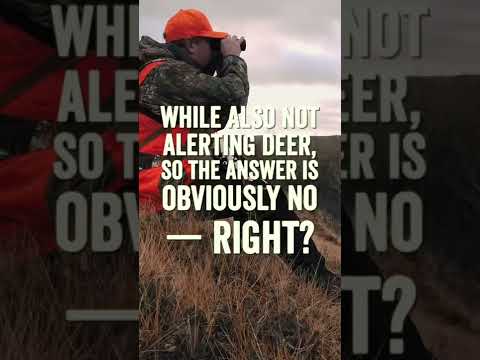
Deer pay a lot more attention to movement, contrast, and low light than to bright colors. Their eyes use different cell types and wiring than yours, so colors like orange and red don’t really pop for them.
Dichromatic Vision in Deer
Deer have dichromatic vision, which means they use two types of cone cells, not three like humans. Their cones mostly pick up short (blue) and medium (yellow) wavelengths.
You can picture it as a limited color palette—nothing like the red-green split you’re used to.
Colors with long wavelengths, like red and orange, just don’t stand out to deer. Those shades blend into yellows, browns, or even grays.
That’s something to keep in mind when you pick out your hunting gear. A bright orange that jumps out to you might look pretty dull to a deer.
The Role of Rods and Cones in Deer Eyes
A deer’s eye contains way more rod cells than cone cells. Rods help them see in low light and spot motion, so deer do great at dawn and dusk.
Cones are for color, but since deer have fewer of them, they don’t see color as well as you do.
Their retinas also have a reflective layer called the tapetum lucidum. That boosts night vision by bouncing light back through the rods.
It makes things brighter in the dark, but doesn’t do anything to help with red-green color. For deer, movement and shape matter a lot more than the exact color of your jacket.
Comparison of Human and Deer Vision
Humans use three kinds of cones—red, green, and blue—so you can spot all sorts of color differences, like ripe fruit or a neon vest.
Deer don’t have that third cone, so their color vision is closer to red-green color blindness in people.
That’s why a blaze orange vest looks super obvious to you but not so much to a deer. For them, orange might just mean a change in brightness or a yellowish or gray patch instead of a screaming bright color.
What Blaze Orange Looks Like to Deer
Blaze orange and hunter orange are made for human eyes, not for deer. To a deer, those colors probably show up as dull yellow, gray, or just a lighter spot against the background.
Contrast and brightness matter more than the actual color.
If the orange is super bright or has a different texture, deer might still notice the difference. But since they care more about movement and shape, staying still in orange clothing that breaks up your outline usually won’t freak them out.
Wear blaze orange to stay safe for other hunters, not because it’ll hide you from deer.
Hunting Implications and Deer Behavior

Deer pay more attention to contrast, movement, and scent than to red or orange colors.
What you wear, how you move, and the light conditions all shape how deer react—and how safe you are out there.
Impact on Deer Hunting and Hunter Safety
Wearing blaze orange keeps you visible to other hunters and helps prevent accidents. Most states and groups like the National Deer Association require or at least recommend hunter orange during rifle season.
To stay safe, wear a vest or hat with a big, solid panel of high-visibility orange.
Deer probably see blaze orange as a yellowish color, not bright red. It won’t make you invisible, but it usually won’t scare them off just because of the color.
Focus on controlling your scent, moving quietly, and picking a good spot to avoid getting busted.
Camouflage Patterns and Clothing Choices
Pick camo that breaks up your outline, not just something that matches the leaves. Multi-scale patterns help disrupt your shape at different distances.
Pair your camo with an orange safety panel so you stay legal and easy to spot for people, but still reduce your chances of being spotted by a deer.
Use matte fabrics so you don’t shine in the sun. Skip big, solid color blocks that stand out.
For layering, put orange on top so other hunters can see you, but try to keep it from creating sharp contrasts that deer might pick up.
Movement Detection and Low-Light Vision
Deer pick up on motion way better than they notice tiny details. If you’re heading toward a stand or the edge of a field, just slow down. Pause every so often.
Any sudden movement? That’ll spook them, even if your color matches the surroundings.
Deer have this cool reflective layer in their eyes—it’s called the tapetum lucidum. It helps them see in low light, which is why they’re out and about at dawn and dusk.
In those dim conditions, short-wavelength colors and contrast pop more. Try not to move much or give off scent during these times. It’s also smart to keep the sun at your back; that way, you don’t stand out as a silhouette and you avoid glare.


