
Ever had a deer stomp at you? It’s a weird feeling, right? When a deer stomps, it’s basically sending a warning to other deer and telling you it’s not so sure about you. That stomp is like, “Hey, I see you. Don’t get any closer.”

Curious why they do it? Or what it really means? I’ll break down the main reasons and the simple body language you can watch for.
Stick around and you’ll start spotting those tiny signs—sometimes a deer’s just curious, sometimes it’s nervous, and other times it’s ready to bolt.
Key Reasons Deer Stomp at You
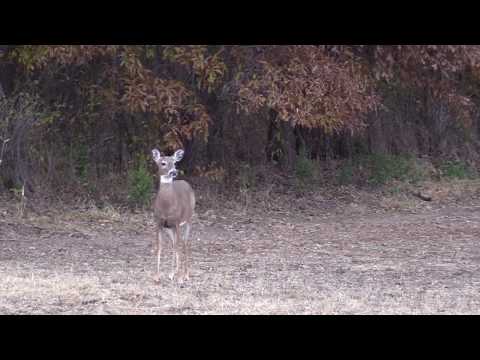
When deer stomp, they’re letting you know something’s up. You’ll probably spot a raised head, a tail flick, or even hear a snort along with that stomp.
These signals help deer figure out if there’s danger and warn others nearby.
Deer Stomping as a Warning Signal
Usually, a stomp means the deer saw or smelled you and wants you to know it’s paying attention. The sound comes out sharp and quick—almost like it’s saying, “I’m watching you.”
White-tailed deer might flash their tails, while mule deer tense up and lean forward.
If you hear a stomp, try not to move suddenly. Just stop, talk softly, and slowly back up.
For hikers or drivers, making a little noise as you go can keep you from surprising deer into stomping.
Alerting Other Deer and Communicating Danger
One deer starts stomping, and suddenly the whole group’s on edge. That stomp grabs attention, and sometimes others start flagging their tails or even running.
It’s like a chain reaction that gets everyone alert fast.
Deer mix stomps with other cues—like snorts, head-bobbing, or even scent marking. These signals help the group coordinate, especially in places where it’s tough to see what’s coming.
Assessing or Investigating Perceived Threats
Sometimes, a deer stomps to test you. It wants to see if you’ll move, freeze, or just leave.
If you stay still and don’t act like a predator, the deer might chill out and get back to grazing.
But if it keeps stomping and even steps closer, it’s probably trying to get a better look or catch your scent.
Make sure your dog’s leashed and don’t do anything sudden. If you back away slowly, you give the deer space to decide if you’re actually a threat.
Differences Between Bucks and Does When Stomping
Does really turn up the stomping when they have fawns around. Their stomps get sharper, and you might see them get a bit defensive, especially if you or your dog are too close.
Older does usually act as lookouts and warn the group with stomps.
Bucks stomp too, but it’s not always about danger. Sometimes, it’s about showing who’s boss—especially during the rut.
They might mix in foot-scraping, antler displays, or scent marking, especially in the fall.
Deer Body Language and Communication Signals
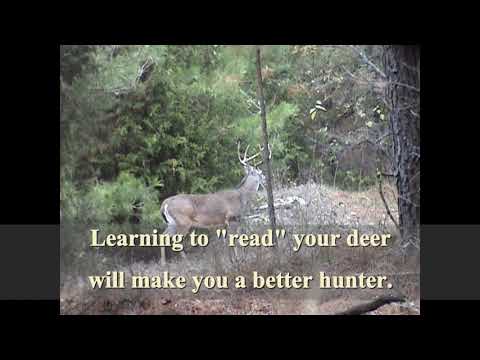
Deer are always telling you how they feel if you know where to look. Their feet, head, tail, and ears can clue you in if they’re curious, nervous, or about to take off.
Deer Body Language: Stomping, Head Bobbing, and Tail Flagging
A loud stomp is the classic warning. The deer lifts a front foot and slams it down.
If you hear that, pause and scan around—there might be more deer or even a hidden fawn nearby.
Head bobbing often goes with a stomp. When a deer bobs its head, it’s trying to get a better look and maybe force you to move.
If it stares and bobs, it’s sizing you up. That can turn into a quick getaway or, if a doe has a fawn, she might even get defensive.
Tail flagging ramps up the alert. When the white tail pops up, it’s like a beacon for other deer to follow.
If you see stomping, head bobbing, and tail flagging all at once, it’s time to back off and give them space.
Snorting and Other Deer Sounds
Snorting is a sharp, loud exhale—think of it as the deer’s version of a panic button. It usually comes after a stomp or head bob, just to make sure everyone’s paying attention.
If you hear snorts, the deer will probably bolt.
Deer also grunt, bleat, and sometimes cough quietly. Grunts are like casual chatter, while bleats are mostly for fawns.
During mating season, bucks get louder with their grunts and even rattle antlers.
If you notice the sounds getting louder or more frequent, that usually means the deer are getting more stressed.
The Role of Interdigital Scent in Deer Stomping
Deer have little glands between their toes—interdigital glands—that leave scent behind when they stomp.
When they press their hooves down, they’re dropping a chemical “note” for other deer.
That stomp plus scent is like a quick bulletin: “Hey, something weird happened here.”
Other deer will come by, sniff the tracks, and figure out if they need to be on alert.
You won’t smell it, but for deer, it’s another way to stay in the loop about danger, family, or even who’s been on the trail.
Impact of Senses and Seasonal Factors on Stomping
Deer trust their sense of smell first, then hearing, and finally vision. If the wind blows your scent toward them, a deer might stomp and stare, trying to figure out where you are.
But if the wind works in your favor and hides you, the deer could pause, bob its head, and stomp a few more times, still unsure if you’re there. They’re pretty determined when they get suspicious.
Seasons really change how deer behave. During fawning season, does stomp more often, especially near their hidden fawns.
When mating season comes around, bucks get distracted. Sometimes they stomp during fights or if something startles them. Their reactions can feel unpredictable.
In places where predators or dogs show up a lot, deer seem to stomp more. It’s probably smart to give them plenty of space, no matter the time of year.
If you learn to spot these signals quickly, you can move more carefully and help keep both yourself and the deer safe.
Relevant reading on deer alarm behavior: Why Deer Stomp: Nature’s Early Warning System.


