
You might be surprised to learn that the Old English word for deer was dēor. It didn’t always mean the animal we picture today. Back then, dēor meant any wild animal or beast, and only later did it focus on the deer we know now. Let’s see how that shift happened and why this word played a role in Anglo‑Saxon life.
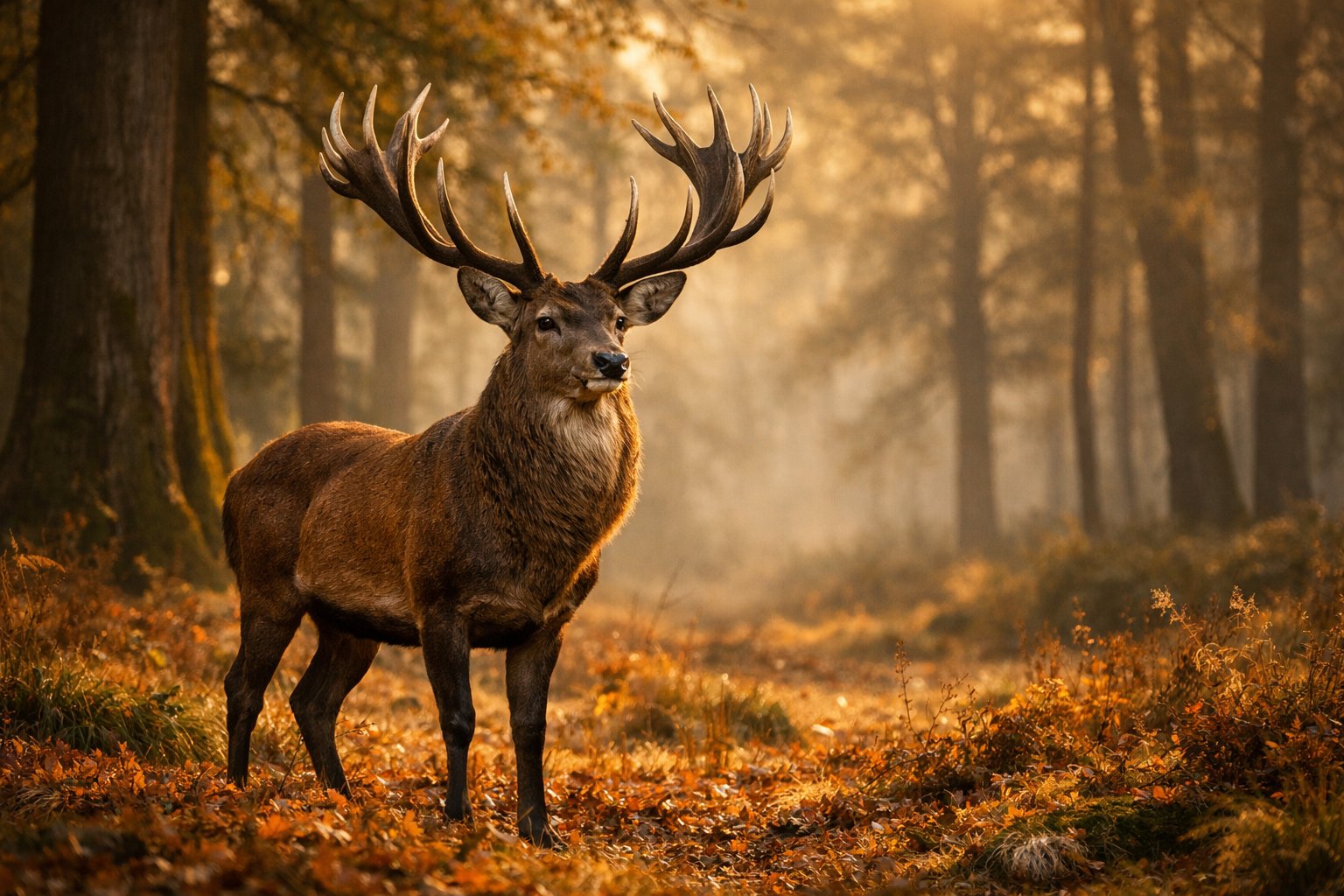
Dēor pops up in hunting, literature, and even everyday speech. Old English had other words for specific kinds of deer, too. I’ll share quick examples from old texts and walk you through how the word changed and why it mattered culturally.
The Old Word for Deer: dēor and Its Evolution
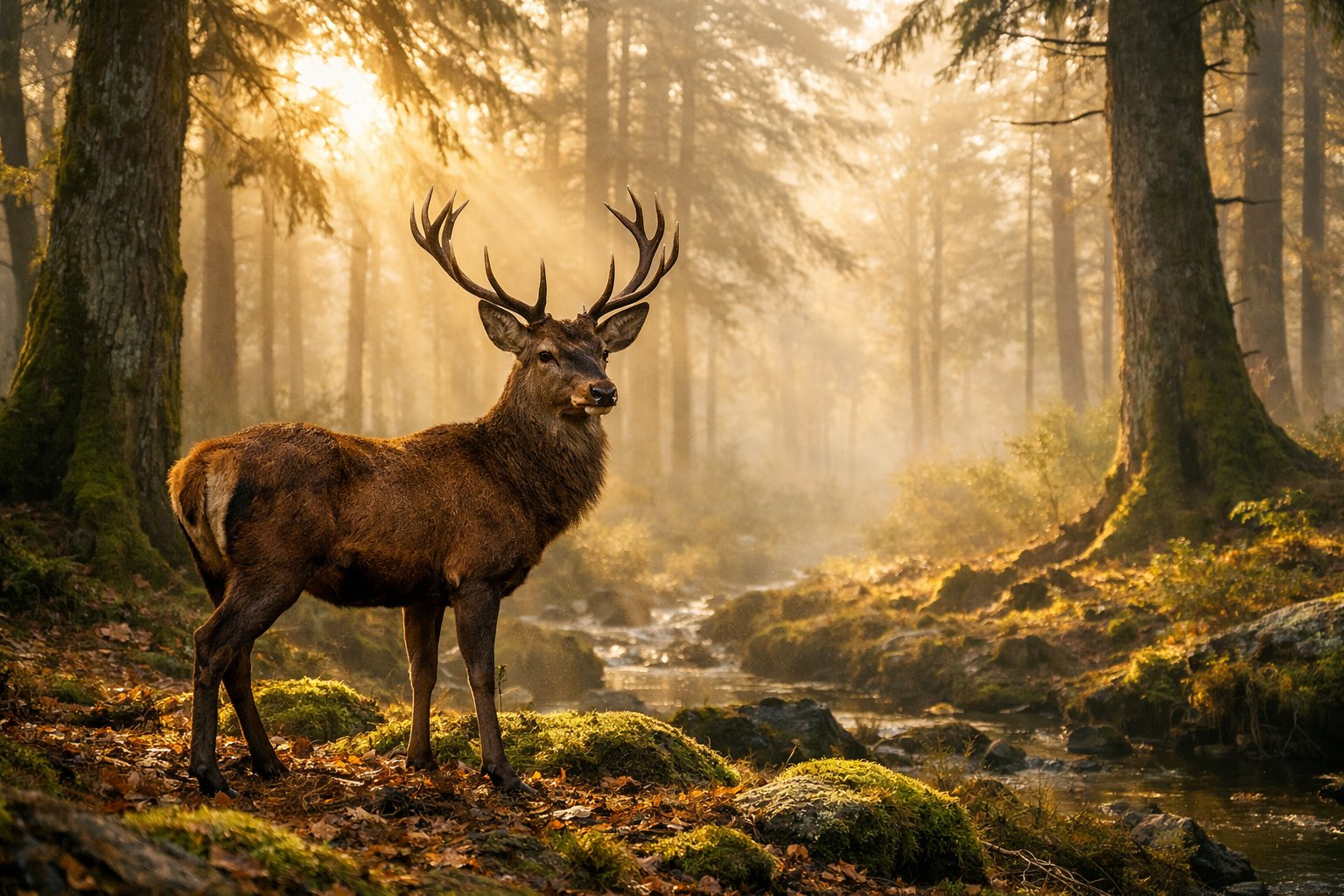
People in Old English times used dēor for any four-legged animal, not just deer. Over the centuries, its meaning narrowed to what we now call deer.
Let’s explore how dēor changed, where it came from, and which words stepped in for specific animals.
Meaning and Semantic Shift of dēor
In Old English, dēor just meant “animal.” Writers applied it to any beast, wild or tame, as long as it wasn’t a person.
Hunters and poets started using more precise words for the animals they chased. By Middle English, dēor usually meant what we’d call a deer.
That change happened somewhere between 1100 and 1500. The rise of hunting culture and new vocabulary nudged the shift along.
If you look at old texts, you’ll notice that earlier broad uses of dēor fade out. Words like hart or heorot show up instead for big male deer.
Etymology and Linguistic Roots
Dēor comes from Proto‑Germanic *deuzam and probably an even older Indo‑European root about movement. You’ll spot its cousins in German Tier, Dutch dier, and Swedish djur—all still mean “animal.”
English stands out for making dēor specific. Linguists trace its path through comparative evidence and resources like the OED.
You can see a clear change from a general “animal” to the modern focus on Cervidae. Other languages show similar patterns as people get more precise about naming animals.
Related Terms: Hind, Buck, and Heorot
As dēor narrowed, other Old English words picked up the slack. Heorot meant “hart” or stag and pops up in epic poetry like Beowulf for the big male deer.
Hind, buck (sometimes buc), doe, and fawn became sex- and age-specific. Hind means adult female, buck is adult male, stag is a big male, and fawn is the young one.
Today’s hunting and nature vocabulary still echoes these old terms. In Germanic languages, the original broad sense of dēor stuck around, but English got more precise.
Cultural and Linguistic Significance of Deer in Old English Society
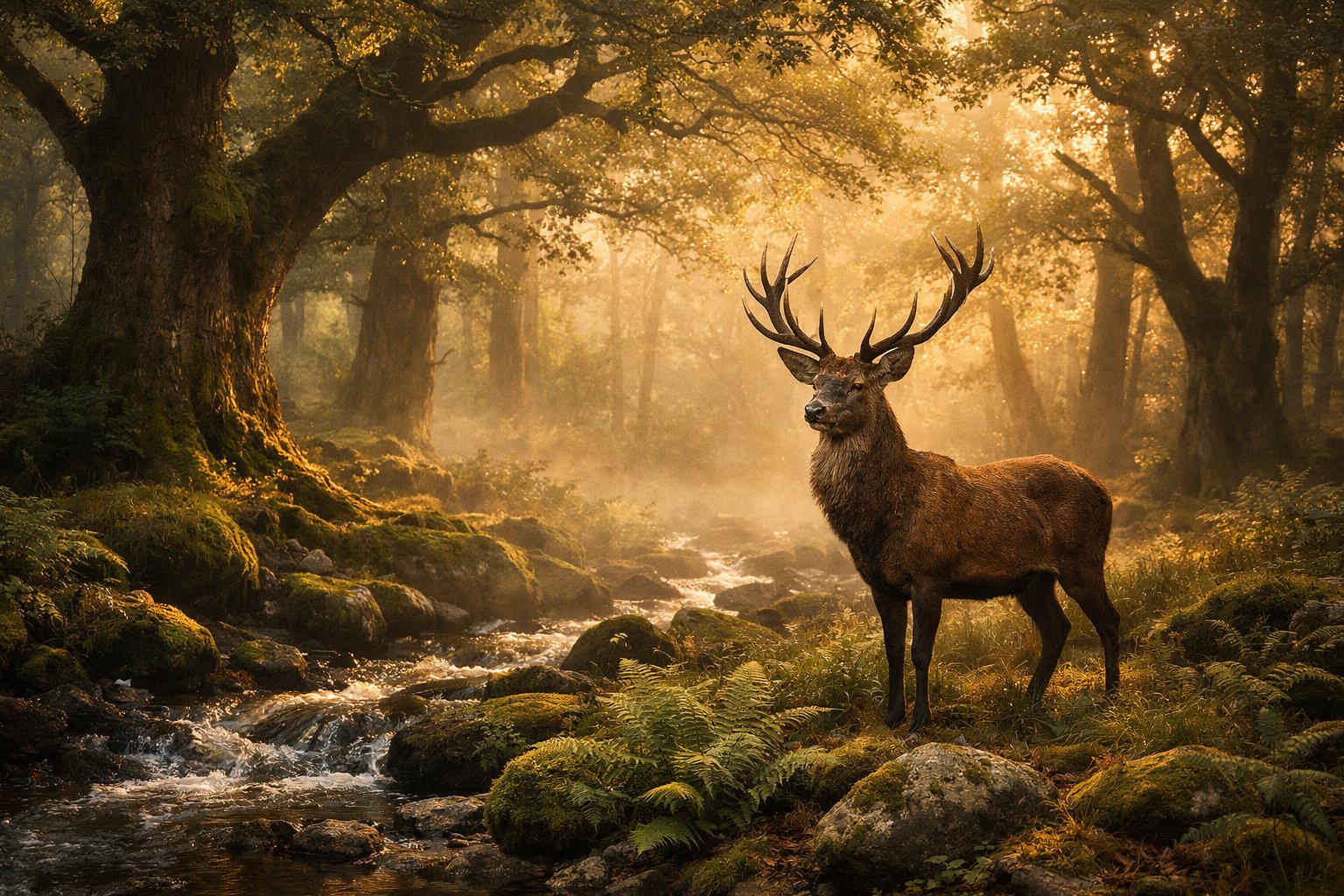
Deer shaped daily life, law, and even stories. Anglo-Saxons named animals carefully, wove deer into poems and halls, and watched meanings shift over time and place.
Deer in Anglo-Saxon Culture and Literature
Anglo-Saxon writers used dēor for any wild beast, but heorot meant a stag or hart. You’ll find heorot as Hrothgar’s great hall in Beowulf, tying the animal to leadership and feasting.
Kings and nobles hunted red deer and roe deer for sport and food. Legal codes and charters sometimes listed deer as property or game, so the animal shows up in both records and poetry.
You can spot deer carved on stones and in metalwork, too. Elk, moose, or caribou rarely appear in Anglo-Saxon England, but Germanic cousins had a wider vocabulary for big mammals.
These texts and objects give you a glimpse of how important deer were for food, law, and display.
Symbolism and Mythology
Deer symbolized nobility, speed, and wildness for the Anglo-Saxons. Poets used the stag to hint at royal halls, safe places, or a hero on the run.
In myths, a hart might lead someone into danger or reveal a secret grove. Later writers, even Shakespeare in King Lear, borrowed this image of the hunted or wandering noble.
Religious texts sometimes set tame animals against wild dēor to teach a lesson. The symbolism runs from noble and pure to tricky and dangerous.
That range helped dēor shift from a general word to our modern “deer,” but the animal kept its weight in story and symbol.
Regional Variations and Later Developments
Regional dialects shaped animal names in all sorts of ways. In some places, folks kept saying heorot for hart, while dēor just meant any animal.
By Middle English, people started using “deer” more specifically. By the 15th century, deer had mostly pushed out the old general meaning.
On the continent, languages like Old High German show the same shift. Words like tior changed right along with English.
You can spot different species depending on the region. White-tailed deer lived in later British colonies, while red deer and roe deer roamed Anglo-Saxon Britain.
Names for big ruminants—elk or moose—mostly pop up in Scandinavian or continental texts. Old English records barely mention them.
This patchwork of words and animals left its mark on English. You can hear the echoes from Beowulf all the way to Shakespeare.


